🌱 Best foods for a long and healthy life
What to do — the quick answer
Tap any line for the reason, the evidence level and the source. The full step-by-step explanation follows below.
🥗 Eat more of
 Eggs, boiledKeeps muscle with age · Keeps bones strongHow it helps you age well
Keeps muscle with age: Older muscle uses protein less well. Protein is authorised to contribute to maintaining muscle mass, and vitamin D to normal muscle function. PubMed studyEUR-Lex
Keeps bones strong: Bone loss speeds up with age. Calcium and vitamin D are authorised to contribute to the maintenance of normal bones. NIH NIAMSEUR-Lex
Supports brain and heart: High blood pressure can limit blood flow to the brain. DHA is authorised to contribute to normal brain function, and EPA and DHA to normal heart function. CDCEUR-Lex
One portion (120 g): 16.9 g Protein · 66 mg Calcium · 2.8 µg Vitamin D · 78 mg EPA + DHA
The evidenceEU claim Muscle function · 2.8 µg per portion Step 2“Vitamin D contributes to the maintenance of normal muscle function.” EUR-LexEU CommissionEU claim Normal bones · 2.8 µg per portion Step 3“Vitamin D contributes to the maintenance of normal bones.” EUR-LexEU CommissionEU claim Normal brain function · 78 mg per portion Step 4“DHA contributes to maintenance of normal brain function.” Effect with 250 mg of DHA per day. EUR-LexEU CommissionEU claim Normal heart function · 78 mg per portion Step 4All nutrients & evidence for eggs, boiled →“EPA and DHA contribute to the normal function of the heart.” Effect with 250 mg of EPA and DHA per day. EUR-LexEU Commission Soya drink, fortifiedKeeps muscle with age · Keeps bones strongHow it helps you age well
Keeps muscle with age: Older muscle uses protein less well. Protein is authorised to contribute to maintaining muscle mass, and vitamin D to normal muscle function. PubMed studyEUR-Lex
Keeps bones strong: Bone loss speeds up with age. Calcium and vitamin D are authorised to contribute to the maintenance of normal bones. NIH NIAMSEUR-Lex
One portion (250 g): 8.1 g Protein · 300 mg Calcium · 1.9 µg Vitamin D
The evidenceEU claim Muscle function · 1.9 µg per portion Step 2“Vitamin D contributes to the maintenance of normal muscle function.” EUR-LexEU CommissionEU claim Bone strength · 300 mg per portion Step 3“Calcium is needed for the maintenance of normal bones.” EUR-LexEU CommissionEU claim Normal bones · 1.9 µg per portion Step 3All nutrients & evidence for soya drink, fortified →“Vitamin D contributes to the maintenance of normal bones.” EUR-LexEU Commission HerringKeeps bones strong · Supports brain and heartHow it helps you age well
Keeps bones strong: Bone loss speeds up with age. Calcium and vitamin D are authorised to contribute to the maintenance of normal bones. NIH NIAMSEUR-Lex
Supports brain and heart: High blood pressure can limit blood flow to the brain. DHA is authorised to contribute to normal brain function, and EPA and DHA to normal heart function. CDCEUR-Lex
One portion (125 g): 65 mg Calcium · 20 µg Vitamin D · 2468 mg EPA + DHA
The evidenceEU claim Normal bones · 20 µg per portion Step 3“Vitamin D contributes to the maintenance of normal bones.” EUR-LexEU CommissionEU claim Normal brain function · 1508 mg per portion Step 4“DHA contributes to maintenance of normal brain function.” Effect with 250 mg of DHA per day. EUR-LexEU CommissionEU claim Normal heart function · 2468 mg per portion Step 4All nutrients & evidence for herring →“EPA and DHA contribute to the normal function of the heart.” Effect with 250 mg of EPA and DHA per day. EUR-LexEU Commission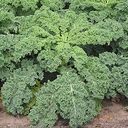 KaleProtects cells · Keeps bones strongHow it helps you age well
Protects cells: Ageing comes from damage to cells building up over time. Vitamins C and E are authorised to contribute to protecting cells from oxidative stress. WHOEUR-Lex
Keeps bones strong: Bone loss speeds up with age. Calcium and vitamin D are authorised to contribute to the maintenance of normal bones. NIH NIAMSEUR-Lex
One portion (100 g): 156 mg Vitamin C · 1.9 mg Vitamin E · 286 mg Calcium
The evidenceEU claim Protects cells · 156 mg per portion Step 1“Vitamin C contributes to the protection of cells from oxidative stress.” EUR-LexEU CommissionEU claim Bone strength · 286 mg per portion Step 3All nutrients & evidence for kale →“Calcium is needed for the maintenance of normal bones.” EUR-LexEU Commission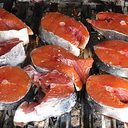 SalmonSupports brain and heartHow it helps you age well
High blood pressure can limit blood flow to the brain. DHA is authorised to contribute to normal brain function, and EPA and DHA to normal heart function. CDCEUR-Lex
One portion (125 g): 2265 mg EPA + DHA
The evidenceEU claim Normal brain function · 1394 mg per portion Step 4“DHA contributes to maintenance of normal brain function.” Effect with 250 mg of DHA per day. EUR-LexEU CommissionEU claim Normal heart function · 2265 mg per portion Step 4All nutrients & evidence for salmon →“EPA and DHA contribute to the normal function of the heart.” Effect with 250 mg of EPA and DHA per day. EUR-LexEU Commission Red sweet pepperProtects cellsHow it helps you age well
Ageing comes from damage to cells building up over time. Vitamins C and E are authorised to contribute to protecting cells from oxidative stress. WHOEUR-Lex
One portion (100 g): 160 mg Vitamin C · 3.9 mg Vitamin E
The evidenceEU claim Protects cells · 160 mg per portion Step 1All nutrients & evidence for red sweet pepper →“Vitamin C contributes to the protection of cells from oxidative stress.” EUR-LexEU Commission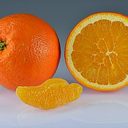 OrangeProtects cellsHow it helps you age well
Ageing comes from damage to cells building up over time. Vitamins C and E are authorised to contribute to protecting cells from oxidative stress. WHOEUR-Lex
One portion (150 g): 93.5 mg Vitamin C · 1.1 mg Vitamin E
The evidenceEU claim Protects cells · 93.5 mg per portion Step 1All nutrients & evidence for orange →“Vitamin C contributes to the protection of cells from oxidative stress.” EUR-LexEU Commission StrawberriesProtects cellsHow it helps you age well
Ageing comes from damage to cells building up over time. Vitamins C and E are authorised to contribute to protecting cells from oxidative stress. WHOEUR-Lex
One portion (150 g): 85.3 mg Vitamin C · 0.41 mg Vitamin E
The evidenceEU claim Protects cells · 85.3 mg per portion Step 1All nutrients & evidence for strawberries →“Vitamin C contributes to the protection of cells from oxidative stress.” EUR-LexEU Commission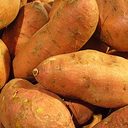 Sweet potatoProtects cellsHow it helps you age well
Ageing comes from damage to cells building up over time. Vitamins C and E are authorised to contribute to protecting cells from oxidative stress. WHOEUR-Lex
One portion (200 g): 60 mg Vitamin C · 0.52 mg Vitamin E
The evidenceEU claim Protects cells · 60 mg per portion Step 1All nutrients & evidence for sweet potato →“Vitamin C contributes to the protection of cells from oxidative stress.” EUR-LexEU Commission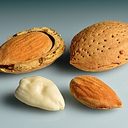 AlmondsProtects cellsHow it helps you age well
Ageing comes from damage to cells building up over time. Vitamins C and E are authorised to contribute to protecting cells from oxidative stress. WHOEUR-Lex
One portion (25 g): 0.25 mg Vitamin C · 6 mg Vitamin E
The evidenceEU claim Protects cells · 6 mg per portion Step 1All nutrients & evidence for almonds →“Vitamin E contributes to the protection of cells from oxidative stress.” EUR-LexEU Commission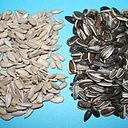 Sunflower seedsProtects cellsHow it helps you age well
Ageing comes from damage to cells building up over time. Vitamins C and E are authorised to contribute to protecting cells from oxidative stress. WHOEUR-Lex
One portion (15 g): 5.6 mg Vitamin E
The evidenceEU claim Protects cells · 5.6 mg per portion Step 1All nutrients & evidence for sunflower seeds →“Vitamin E contributes to the protection of cells from oxidative stress.” EUR-LexEU Commission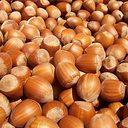 HazelnutsProtects cellsHow it helps you age well
Ageing comes from damage to cells building up over time. Vitamins C and E are authorised to contribute to protecting cells from oxidative stress. WHOEUR-Lex
One portion (25 g): 5.5 mg Vitamin E
The evidenceEU claim Protects cells · 5.5 mg per portion Step 1All nutrients & evidence for hazelnuts →“Vitamin E contributes to the protection of cells from oxidative stress.” EUR-LexEU Commission HummusProtects cellsHow it helps you age well
Ageing comes from damage to cells building up over time. Vitamins C and E are authorised to contribute to protecting cells from oxidative stress. WHOEUR-Lex
One portion (50 g): 0.7 mg Vitamin C · 4.1 mg Vitamin E
The evidenceEU claim Protects cells · 4.1 mg per portion Step 1All nutrients & evidence for hummus →“Vitamin E contributes to the protection of cells from oxidative stress.” EUR-LexEU Commission Turkey breast, skinlessKeeps muscle with ageHow it helps you age well
Older muscle uses protein less well. Protein is authorised to contribute to maintaining muscle mass, and vitamin D to normal muscle function. PubMed studyEUR-Lex
One portion (150 g): 36.1 g Protein
The evidenceEU claim Keeps muscle · 36.1 g per portion Step 2All nutrients & evidence for turkey breast, skinless →“Protein contributes to the maintenance of muscle mass.” EUR-LexEU Commission
🏃 Do
Evidence: EU claim EU-authorised claim · Official Official guidance · Trials Clinical trials · Study Population study · Review Scientific review
Turn this into my daily long life & healthy ageing plan → How it works, step by step ↓
What happens as we age
Ageing comes from damage to molecules and cells that builds up over time. Much of how healthily we age depends on our environment and behaviour. WHO
-
Cell damage builds up
Root cause: Molecular and cellular damage accumulates; tobacco, inactivity and poor diet speed it up.
🥗 Eat
- Red sweet pepperProtects cellsHow it helps you age well
Ageing comes from damage to cells building up over time. Vitamins C and E are authorised to contribute to protecting cells from oxidative stress. WHOEUR-Lex
One portion (100 g): 160 mg Vitamin C · 3.9 mg Vitamin E
The evidenceEU claim Protects cells · 160 mg per portionAll nutrients & evidence for red sweet pepper →“Vitamin C contributes to the protection of cells from oxidative stress.” EUR-LexEU Commission - KaleProtects cellsHow it helps you age well
Ageing comes from damage to cells building up over time. Vitamins C and E are authorised to contribute to protecting cells from oxidative stress. WHOEUR-Lex
One portion (100 g): 156 mg Vitamin C · 1.9 mg Vitamin E
The evidenceEU claim Protects cells · 156 mg per portionAll nutrients & evidence for kale →“Vitamin C contributes to the protection of cells from oxidative stress.” EUR-LexEU Commission - OrangeProtects cellsHow it helps you age well
Ageing comes from damage to cells building up over time. Vitamins C and E are authorised to contribute to protecting cells from oxidative stress. WHOEUR-Lex
One portion (150 g): 93.5 mg Vitamin C · 1.1 mg Vitamin E
The evidenceEU claim Protects cells · 93.5 mg per portionAll nutrients & evidence for orange →“Vitamin C contributes to the protection of cells from oxidative stress.” EUR-LexEU Commission - StrawberriesProtects cellsHow it helps you age well
Ageing comes from damage to cells building up over time. Vitamins C and E are authorised to contribute to protecting cells from oxidative stress. WHOEUR-Lex
One portion (150 g): 85.3 mg Vitamin C · 0.41 mg Vitamin E
The evidenceEU claim Protects cells · 85.3 mg per portionAll nutrients & evidence for strawberries →“Vitamin C contributes to the protection of cells from oxidative stress.” EUR-LexEU Commission - Sweet potatoProtects cellsHow it helps you age well
Ageing comes from damage to cells building up over time. Vitamins C and E are authorised to contribute to protecting cells from oxidative stress. WHOEUR-Lex
One portion (200 g): 60 mg Vitamin C · 0.52 mg Vitamin E
The evidenceEU claim Protects cells · 60 mg per portionAll nutrients & evidence for sweet potato →“Vitamin C contributes to the protection of cells from oxidative stress.” EUR-LexEU Commission 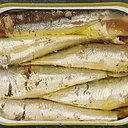 Sardines in oil, drainedProtects cellsHow it helps you age well
Ageing comes from damage to cells building up over time. Vitamins C and E are authorised to contribute to protecting cells from oxidative stress. WHOEUR-Lex
One portion (90 g): 6.2 mg Vitamin E
The evidenceEU claim Protects cells · 6.2 mg per portionAll nutrients & evidence for sardines in oil, drained →“Vitamin E contributes to the protection of cells from oxidative stress.” EUR-LexEU Commission- AlmondsProtects cellsHow it helps you age well
Ageing comes from damage to cells building up over time. Vitamins C and E are authorised to contribute to protecting cells from oxidative stress. WHOEUR-Lex
One portion (25 g): 0.25 mg Vitamin C · 6 mg Vitamin E
The evidenceEU claim Protects cells · 6 mg per portionAll nutrients & evidence for almonds →“Vitamin E contributes to the protection of cells from oxidative stress.” EUR-LexEU Commission - Sunflower seedsProtects cellsHow it helps you age well
Ageing comes from damage to cells building up over time. Vitamins C and E are authorised to contribute to protecting cells from oxidative stress. WHOEUR-Lex
One portion (15 g): 5.6 mg Vitamin E
The evidenceEU claim Protects cells · 5.6 mg per portionAll nutrients & evidence for sunflower seeds →“Vitamin E contributes to the protection of cells from oxidative stress.” EUR-LexEU Commission
🏃 Do
Eat well, move, no tobaccoOfficial
Eat a balanced diet, be physically active regularly, and do not use tobacco. WHO
How this step works · what slows it down · sources
Biologically, ageing results from a wide variety of molecular and cellular damage building up over time. This gradually lowers physical and mental capacity and raises the risk of disease. WHO
“EU claim” items use the exact wording of Reg. (EU) No 432/2012 EUR-Lex; listed foods meet the legal condition of use (amounts per normal portion, BLS 4.0 / USDA).
-
Muscles respond less
Root cause: Older muscle uses protein less well, especially when inactive.
🥗 Eat
- Turkey breast, skinlessKeeps muscle with ageHow it helps you age well
Older muscle uses protein less well. Protein is authorised to contribute to maintaining muscle mass, and vitamin D to normal muscle function. PubMed studyEUR-Lex
One portion (150 g): 36.1 g Protein
The evidenceEU claim Keeps muscle · 36.1 g per portionAll nutrients & evidence for turkey breast, skinless →“Protein contributes to the maintenance of muscle mass.” EUR-LexEU Commission 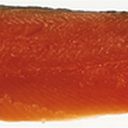 TroutKeeps muscle with ageHow it helps you age well
Older muscle uses protein less well. Protein is authorised to contribute to maintaining muscle mass, and vitamin D to normal muscle function. PubMed studyEUR-Lex
One portion (125 g): 26.9 g Protein
The evidenceEU claim Keeps muscle · 26.9 g per portionAll nutrients & evidence for trout →“Protein contributes to the maintenance of muscle mass.” EUR-LexEU Commission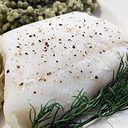 CodKeeps muscle with ageHow it helps you age well
Older muscle uses protein less well. Protein is authorised to contribute to maintaining muscle mass, and vitamin D to normal muscle function. PubMed studyEUR-Lex
One portion (150 g): 26.7 g Protein
The evidenceEU claim Keeps muscle · 26.7 g per portionAll nutrients & evidence for cod →“Protein contributes to the maintenance of muscle mass.” EUR-LexEU Commission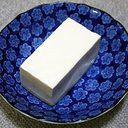 TofuKeeps muscle with ageHow it helps you age well
Older muscle uses protein less well. Protein is authorised to contribute to maintaining muscle mass, and vitamin D to normal muscle function. PubMed studyEUR-Lex
One portion (150 g): 23.3 g Protein
The evidenceEU claim Keeps muscle · 23.3 g per portionAll nutrients & evidence for tofu →“Protein contributes to the maintenance of muscle mass.” EUR-LexEU Commission- Eggs, boiledKeeps muscle with ageHow it helps you age well
Older muscle uses protein less well. Protein is authorised to contribute to maintaining muscle mass, and vitamin D to normal muscle function. PubMed studyEUR-Lex
One portion (120 g): 16.9 g Protein
The evidenceEU claim Muscle function · 2.8 µg per portionAll nutrients & evidence for eggs, boiled →“Vitamin D contributes to the maintenance of normal muscle function.” EUR-LexEU Commission - Soya drink, fortifiedKeeps muscle with ageHow it helps you age well
Older muscle uses protein less well. Protein is authorised to contribute to maintaining muscle mass, and vitamin D to normal muscle function. PubMed studyEUR-Lex
One portion (250 g): 8.1 g Protein
The evidenceEU claim Muscle function · 1.9 µg per portionAll nutrients & evidence for soya drink, fortified →“Vitamin D contributes to the maintenance of normal muscle function.” EUR-LexEU Commission 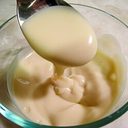 Soya yogurt alternative, fortifiedKeeps muscle with ageHow it helps you age well
Older muscle uses protein less well. Protein is authorised to contribute to maintaining muscle mass, and vitamin D to normal muscle function. PubMed studyEUR-Lex
One portion (150 g): 6.3 g Protein
The evidenceEU claim Muscle function · 1.1 µg per portionAll nutrients & evidence for soya yogurt alternative, fortified →“Vitamin D contributes to the maintenance of normal muscle function.” EUR-LexEU Commission
🏃 Do
Strength training 2×/weekOfficial
Do muscle-strengthening activities on 2 or more days a week that work all major muscle groups: legs, hips, back, abdomen, chest, shoulders and arms. CDC
How this step works · what slows it down · sources
Older muscle often responds less to protein ("anabolic resistance"). Being active before eating protein helps. PubMed study
“EU claim” items use the exact wording of Reg. (EU) No 432/2012 EUR-Lex; listed foods meet the legal condition of use (amounts per normal portion, BLS 4.0 / USDA).
-
Bone loss speeds up
Root cause: Bone loss speeds up and new bone growth slows with age.
🥗 Eat
- Soya drink, fortifiedKeeps bones strongHow it helps you age well
Bone loss speeds up with age. Calcium and vitamin D are authorised to contribute to the maintenance of normal bones. NIH NIAMSEUR-Lex
One portion (250 g): 300 mg Calcium · 1.9 µg Vitamin D
The evidenceEU claim Bone strength · 300 mg per portion“Calcium is needed for the maintenance of normal bones.” EUR-LexEU CommissionEU claim Normal bones · 1.9 µg per portionAll nutrients & evidence for soya drink, fortified →“Vitamin D contributes to the maintenance of normal bones.” EUR-LexEU Commission 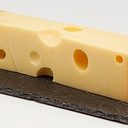 Emmental cheeseKeeps bones strongHow it helps you age well
Bone loss speeds up with age. Calcium and vitamin D are authorised to contribute to the maintenance of normal bones. NIH NIAMSEUR-Lex
One portion (30 g): 348 mg Calcium
The evidenceEU claim Bone strength · 348 mg per portionAll nutrients & evidence for emmental cheese →“Calcium is needed for the maintenance of normal bones.” EUR-LexEU Commission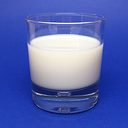 Milk, 1.5% fatKeeps bones strongHow it helps you age well
Bone loss speeds up with age. Calcium and vitamin D are authorised to contribute to the maintenance of normal bones. NIH NIAMSEUR-Lex
One portion (250 g): 303 mg Calcium
The evidenceEU claim Bone strength · 303 mg per portionAll nutrients & evidence for milk, 1.5% fat →“Calcium is needed for the maintenance of normal bones.” EUR-LexEU Commission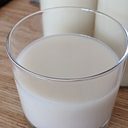 Oat drink, fortifiedKeeps bones strongHow it helps you age well
Bone loss speeds up with age. Calcium and vitamin D are authorised to contribute to the maintenance of normal bones. NIH NIAMSEUR-Lex
One portion (250 g): 300 mg Calcium · 0.95 µg Vitamin D
The evidenceEU claim Bone strength · 300 mg per portionAll nutrients & evidence for oat drink, fortified →“Calcium is needed for the maintenance of normal bones.” EUR-LexEU Commission- KaleKeeps bones strongHow it helps you age well
Bone loss speeds up with age. Calcium and vitamin D are authorised to contribute to the maintenance of normal bones. NIH NIAMSEUR-Lex
One portion (100 g): 286 mg Calcium
The evidenceEU claim Bone strength · 286 mg per portionAll nutrients & evidence for kale →“Calcium is needed for the maintenance of normal bones.” EUR-LexEU Commission - HerringKeeps bones strongHow it helps you age well
Bone loss speeds up with age. Calcium and vitamin D are authorised to contribute to the maintenance of normal bones. NIH NIAMSEUR-Lex
One portion (125 g): 65 mg Calcium · 20 µg Vitamin D
The evidenceEU claim Normal bones · 20 µg per portionAll nutrients & evidence for herring →“Vitamin D contributes to the maintenance of normal bones.” EUR-LexEU Commission 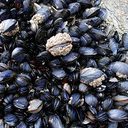 MusselsKeeps bones strongHow it helps you age well
Bone loss speeds up with age. Calcium and vitamin D are authorised to contribute to the maintenance of normal bones. NIH NIAMSEUR-Lex
One portion (150 g): 35.3 mg Calcium · 12 µg Vitamin D
The evidenceEU claim Normal bones · 12 µg per portionAll nutrients & evidence for mussels →“Vitamin D contributes to the maintenance of normal bones.” EUR-LexEU Commission- Eggs, boiledKeeps bones strongHow it helps you age well
Bone loss speeds up with age. Calcium and vitamin D are authorised to contribute to the maintenance of normal bones. NIH NIAMSEUR-Lex
One portion (120 g): 66 mg Calcium · 2.8 µg Vitamin D
The evidenceEU claim Normal bones · 2.8 µg per portionAll nutrients & evidence for eggs, boiled →“Vitamin D contributes to the maintenance of normal bones.” EUR-LexEU Commission
🏃 Do
Weight-bearing exerciseOfficial
Do weight-bearing exercise such as walking. NIH NIAMS
-
Protect the brain's blood supply
Root cause: High blood pressure damages the vessels that feed the brain.
🥗 Eat
- HerringSupports brain and heartHow it helps you age well
High blood pressure can limit blood flow to the brain. DHA is authorised to contribute to normal brain function, and EPA and DHA to normal heart function. CDCEUR-Lex
One portion (125 g): 2468 mg EPA + DHA
The evidenceEU claim Normal brain function · 1508 mg per portion“DHA contributes to maintenance of normal brain function.” Effect with 250 mg of DHA per day. EUR-LexEU CommissionEU claim Normal heart function · 2468 mg per portionAll nutrients & evidence for herring →“EPA and DHA contribute to the normal function of the heart.” Effect with 250 mg of EPA and DHA per day. EUR-LexEU Commission - SalmonSupports brain and heartHow it helps you age well
High blood pressure can limit blood flow to the brain. DHA is authorised to contribute to normal brain function, and EPA and DHA to normal heart function. CDCEUR-Lex
One portion (125 g): 2265 mg EPA + DHA
The evidenceEU claim Normal brain function · 1394 mg per portion“DHA contributes to maintenance of normal brain function.” Effect with 250 mg of DHA per day. EUR-LexEU CommissionEU claim Normal heart function · 2265 mg per portionAll nutrients & evidence for salmon →“EPA and DHA contribute to the normal function of the heart.” Effect with 250 mg of EPA and DHA per day. EUR-LexEU Commission - Eggs, boiledSupports brain and heartHow it helps you age well
High blood pressure can limit blood flow to the brain. DHA is authorised to contribute to normal brain function, and EPA and DHA to normal heart function. CDCEUR-Lex
One portion (120 g): 78 mg EPA + DHA
The evidenceEU claim Normal brain function · 78 mg per portion“DHA contributes to maintenance of normal brain function.” Effect with 250 mg of DHA per day. EUR-LexEU CommissionEU claim Normal heart function · 78 mg per portionAll nutrients & evidence for eggs, boiled →“EPA and DHA contribute to the normal function of the heart.” Effect with 250 mg of EPA and DHA per day. EUR-LexEU Commission
How this step works · what slows it down · sources
High blood pressure can damage blood vessels and limit blood flow to the brain. Managing blood pressure and diabetes, not smoking, drinking only in moderation, 150 minutes of activity a week and treating hearing loss may lower dementia risk. CDC
“EU claim” items use the exact wording of Reg. (EU) No 432/2012 EUR-Lex; listed foods meet the legal condition of use (amounts per normal portion, BLS 4.0 / USDA).
Authorised claims say a nutrient contributes to a normal body function. They do not mean that eating more than you need improves that function, or that a food treats any condition. Population studies show associations, not proof of cause.
Meal options built from this flow
Pick any option per meal. Ranked by how well one portion covers this goal's targets and how many steps above its foods support (reference adult, everything diet). The planner adapts portions, diet type and allergies.
Breakfast — pick one of 3
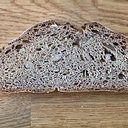 Wholemeal rye bread
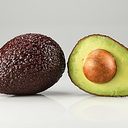 Avocado
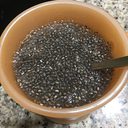 Chia seeds
Lunch — pick one of 3
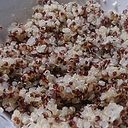 Quinoa, boiled
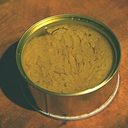 Tuna, canned, drained 100 g ·
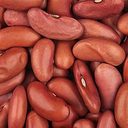 Kidney beans, canned, drained 100 g · Red sweet pepper 60 g ·
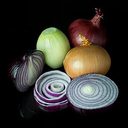 Onion 30 g ·
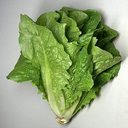 Romaine lettuce 60 g ·
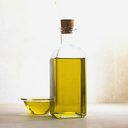 Olive oil 10 g
Dinner — pick one of 3
Eggs, boiled 180 g (3 eggs) · 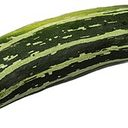 Courgette (zucchini) 100 g · Red sweet pepper 60 g · Emmental cheese 20 g ·
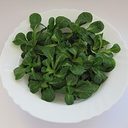 Lamb's lettuce 40 g ·
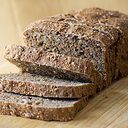 Wholemeal bread 40 g · Olive oil 5 g
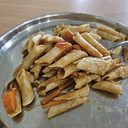 Wholemeal pasta, boiled
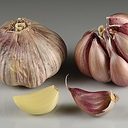 Garlic
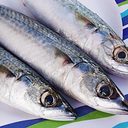 Mackerel 125 g ·
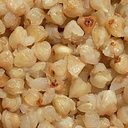 Buckwheat groats (dry) 50 g ·
 Carrots 100 g ·
 Leek 60 g ·
 Rapeseed (canola) oil 5 g
Snack — pick one of 3
 Walnuts
 Raspberries
 Kefir, low-fat 200 g ·
 Kiwi fruit 75 g
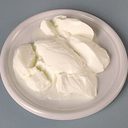 Natural yogurt, 1.5% fat 150 g ·
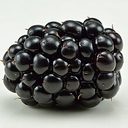 Blackberries 80 g
In short
WHO states that a healthy diet throughout life helps prevent malnutrition and noncommunicable diseases such as heart disease, stroke, diabetes and cancer. For older adults, NIH reference intakes for vitamin D and calcium are higher, and vitamin B12 deserves attention. This plan follows the WHO healthy-diet pattern.
What official sources say
Key nutrients & daily targets
Shown for a reference adult (40-year-old man, 75 kg, ~2600 kcal). Your plan recalculates these for your age, sex and weight.
| Nutrient | Daily target | Basis |
|---|---|---|
| Fruit & vegetables | 400 g | WHO: at least 400 g of fruit and vegetables a day (potatoes do not count) WHO |
| Dietary fibre | 25 g | EFSA Adequate Intake 25 g/day for adults; WHO (2023) recommends at least 25 g/day of naturally occurring fibre WHO |
| Protein | 62 g | EFSA Population Reference Intake 0.83 g per kg body weight per day EFSA |
| Vitamin D | 15 µg | NIH ODS Recommended Dietary Allowance / Adequate Intake for your age and sex NIH ODS |
| Vitamin B12 | 2.4 µg | NIH ODS Recommended Dietary Allowance / Adequate Intake for your age and sex NIH ODS |
| Calcium | 1000 mg | NIH ODS Recommended Dietary Allowance / Adequate Intake for your age and sex NIH ODS |
| EPA + DHA (long-chain omega-3) | 250 mg (weekly avg) | EFSA Adequate Intake 250 mg/day for adults (weekly average) EFSA |
| Salt | < 5 g | WHO: less than 5 g per day WHO |
| Saturated fat | < 29 g | WHO: less than 10 % of energy WHO |
All authorised EU health claims for this goal (8)
Exact wording from Regulation (EU) No 432/2012. A food may only carry a claim if it meets the legal condition of use — on each food page we show the numbers that meet (or miss) it.
Protein contributes to the maintenance of muscle mass.EUR-LexEU Commission
Vitamin E contributes to the protection of cells from oxidative stress.EUR-LexEU CommissionNIH ODS
Vitamin C contributes to the protection of cells from oxidative stress.EUR-LexEU CommissionNIH ODS
Calcium is needed for the maintenance of normal bones.EUR-LexEU CommissionNIH ODS
Vitamin D contributes to the maintenance of normal bones.EUR-LexEU CommissionNIH ODS
Vitamin D contributes to the maintenance of normal muscle function.EUR-LexEU CommissionNIH ODS
EPA and DHA contribute to the normal function of the heart.
DHA contributes to maintenance of normal brain function.
Foods ranked by nutrient content (14)
Ranked by how much of the daily target one normal portion provides (nutrient values: BLS 4.0 / USDA FDC), plus authorised claims the food qualifies for.
Herring · 125 g
Trout · 125 g
Mussels · 150 g
Mackerel · 125 g
Salmon · 125 g
 Alaska pollock · 150 g
Cod · 150 g
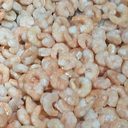 Shrimp · 100 g
Kale · 100 g
Tuna, canned, drained · 100 g
Eggs, boiled · 120 g (2 eggs)
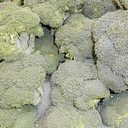 Broccoli · 150 g
Sardines in oil, drained · 90 g
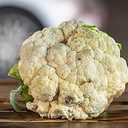 Cauliflower · 150 g
Example day from a long life & healthy ageing plan
Generated automatically for the reference adult. Your plan adapts portions, diet type and allergies.
Eggs, boiled 180 g (3 eggs) · Wholemeal bread 100 g · 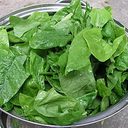 Spinach 50 g ·
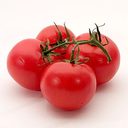 Tomatoes 100 g · Olive oil 10 gMackerel 130 g ·
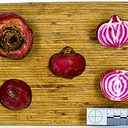 Beetroot 100 g ·
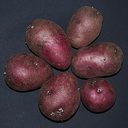 Potato, unpeeled 260 g · Lamb's lettuce 40 g ·
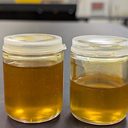 Linseed (flaxseed) oil 10 g
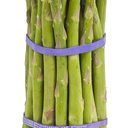 AsparagusKefir, low-fat 350 g · Kiwi fruit 130 g
Sources
- Healthy diet — fact sheet — World Health Organization
- Ageing and health — fact sheet — World Health Organization
- Healthy eating, nutrition, and diet — NIH National Institute on Aging
- Vitamin D — fact sheet for health professionals — NIH Office of Dietary Supplements
- Calcium — fact sheet for health professionals — NIH Office of Dietary Supplements
- Vitamin B12 — fact sheet for health professionals — NIH Office of Dietary Supplements
- Anabolic resistance of muscle protein synthesis with aging — Burd NA, Gorissen SH, van Loon LJ. Exerc Sport Sci Rev 2013 (PubMed 23558692)
- Physical activity guidelines for adults — US Centers for Disease Control and Prevention
- Osteoporosis — NIH NIAMS
- Reducing risk for dementia — US Centers for Disease Control and Prevention
- Physical activity — fact sheet — World Health Organization
- Bundeslebensmittelschlüssel (BLS) 4.0 — German Nutrient Database — Max Rubner-Institut
- FoodData Central — USDA Agricultural Research Service
- Commission Regulation (EU) No 432/2012 — list of permitted health claims (consolidated) — European Union (EUR-Lex)