Dietary fibre: what it does & best food sources
How much do adults need?
- US Adequate Intake: 38 g a day for men and 25 g for women aged 19–50; 30 g and 21 g from age 51. US National Academies (DRIs)
- US label FDA Daily Value: 28 g. FDA
- WHO At least 25 g of naturally occurring fibre a day. WHO
- EU EFSA Adequate Intake: 25 g a day. EFSA
Best food sources (per portion)
| Food | Portion | Dietary fibre | % US DV |
|---|---|---|---|
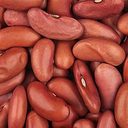 Kidney beans, canned, drained | 120 g | 13.5 g | 48 % |
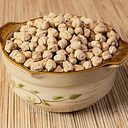 Chickpeas, canned, drained | 120 g | 11.8 g | 42 % |
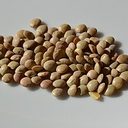 Lentils, boiled | 150 g | 10.8 g | 39 % |
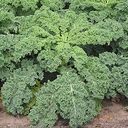 Kale | 100 g | 8.4 g | 30 % |
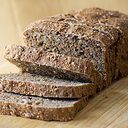 Wholemeal bread | 80 g | 8 g | 29 % |
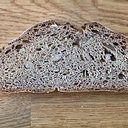 Wholemeal rye bread | 80 g | 7.7 g | 27 % |
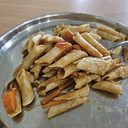 Wholemeal pasta, boiled | 180 g | 7 g | 25 % |
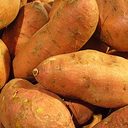 Sweet potato | 200 g | 6.3 g | 22 % |
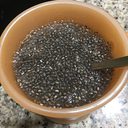 Chia seeds | 15 g | 6 g | 22 % |
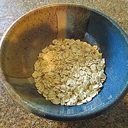 Oat flakes (rolled oats) | 50 g | 5.5 g | 20 % |
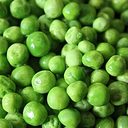 Green peas, frozen | 100 g | 5.3 g | 19 % |
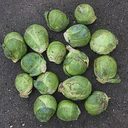 Brussels sprouts | 120 g | 5.3 g | 19 % |
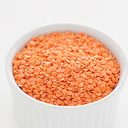 Red lentils (dry) | 60 g | 5.1 g | 18 % |
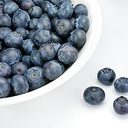 Blueberries | 100 g | 4.9 g | 18 % |
 Raspberries | 100 g | 4.7 g | 17 % |
Per normal portion. Values from BLS 4.0. % US DV = share of the FDA Daily Value.
Sources
- Dietary Reference Intakes — reference values for macronutrients (tables published by Health Canada) — US National Academies (DRIs)
- Daily Value on the Nutrition and Supplement Facts labels — US Food and Drug Administration
- Healthy diet — fact sheet — World Health Organization
- Dietary Reference Values (DRV Finder) — European Food Safety Authority
- Bundeslebensmittelschlüssel (BLS) 4.0 — German Nutrient Database — Max Rubner-Institut