🫘 Best foods for normal liver function
⚕️ Talk to your care team
If you have been diagnosed with liver disease, agree your diet with your doctor.
What to do — the quick answer
Tap any line for the reason, the evidence level and the source. The full step-by-step explanation follows below.
🥗 Eat more of
 Eggs, boiledSupports liver functionHow it helps your liver
The liver processes the nutrients from every meal. Choline is authorised to contribute to normal liver function and fat metabolism. NIH NIDDKEUR-Lex
The evidenceEU claim Normal liver function · 353 mg per portion Step 1“Choline contributes to the maintenance of normal liver function.” EUR-LexEU CommissionEU claim Fat metabolism · 353 mg per portion Step 1All nutrients & evidence for eggs, boiled →“Choline contributes to normal lipid metabolism.” EUR-LexEU Commission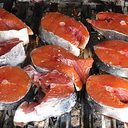 SalmonHealthier fats for the liverHow it helps your liver
In fatty liver disease, fat builds up in the liver. NIH advises replacing saturated and trans fats with unsaturated fats, especially omega-3 fatty acids. NIH NIDDKNIH NIDDK
One portion (125 g): 2265 mg EPA + DHA · 3 g saturated fat
The evidenceOfficial Unsaturated & omega-3 fats Step 2All nutrients & evidence for salmon →Replace saturated and trans fats with unsaturated fats, especially omega-3 fatty acids. NIH NIDDK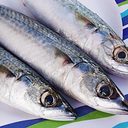 MackerelHealthier fats for the liverHow it helps your liver
In fatty liver disease, fat builds up in the liver. NIH advises replacing saturated and trans fats with unsaturated fats, especially omega-3 fatty acids. NIH NIDDKNIH NIDDK
One portion (125 g): 1659 mg EPA + DHA · 2.1 g saturated fat
The evidenceOfficial Unsaturated & omega-3 fats Step 2All nutrients & evidence for mackerel →Replace saturated and trans fats with unsaturated fats, especially omega-3 fatty acids. NIH NIDDK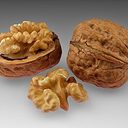 WalnutsHealthier fats for the liverHow it helps your liver
In fatty liver disease, fat builds up in the liver. NIH advises replacing saturated and trans fats with unsaturated fats, especially omega-3 fatty acids. NIH NIDDKNIH NIDDK
One portion (30 g): 2 g saturated fat
The evidenceOfficial Unsaturated & omega-3 fats Step 2All nutrients & evidence for walnuts →Replace saturated and trans fats with unsaturated fats, especially omega-3 fatty acids. NIH NIDDK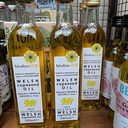 Rapeseed (canola) oilHealthier fats for the liverHow it helps your liver
In fatty liver disease, fat builds up in the liver. NIH advises replacing saturated and trans fats with unsaturated fats, especially omega-3 fatty acids. NIH NIDDKNIH NIDDK
One portion (10 g): 0.72 g saturated fat
The evidenceOfficial Unsaturated & omega-3 fats Step 2All nutrients & evidence for rapeseed (canola) oil →Replace saturated and trans fats with unsaturated fats, especially omega-3 fatty acids. NIH NIDDK
🏃 Do
Evidence: EU claim EU-authorised claim · Official Official guidance · Trials Clinical trials · Study Population study · Review Scientific review
Turn this into my daily liver health plan → How it works, step by step ↓
How your liver works — and how fat builds up in it
The liver digests food and processes and distributes nutrients. In MASLD (fatty liver disease), fat builds up in the liver, often with no symptoms. NIH NIDDKNIH NIDDK
-
The liver processes nutrients
Root cause: The liver handles fats and sugars from every meal.
🥗 Eat
- Eggs, boiledSupports liver functionHow it helps your liver
The liver processes the nutrients from every meal. Choline is authorised to contribute to normal liver function and fat metabolism. NIH NIDDKEUR-Lex
The evidenceEU claim Normal liver function · 353 mg per portion“Choline contributes to the maintenance of normal liver function.” EUR-LexEU CommissionEU claim Fat metabolism · 353 mg per portionAll nutrients & evidence for eggs, boiled →“Choline contributes to normal lipid metabolism.” EUR-LexEU Commission
How this step works · what slows it down · sources
The liver helps digest food and processes and distributes nutrients. It makes bile, a digestive juice that helps digest fats and some vitamins. NIH NIDDKNIH NIDDK
“EU claim” items use the exact wording of Reg. (EU) No 432/2012 EUR-Lex; listed foods meet the legal condition of use (amounts per normal portion, BLS 4.0 / USDA).
-
Fat builds up (MASLD)
Root cause: Excess weight, insulin resistance and high blood fats.
🥗 Eat
- SalmonHealthier fats for the liverHow it helps your liver
In fatty liver disease, fat builds up in the liver. NIH advises replacing saturated and trans fats with unsaturated fats, especially omega-3 fatty acids. NIH NIDDKNIH NIDDK
One portion (125 g): 2265 mg EPA + DHA · 3 g saturated fat
The evidenceOfficial Unsaturated & omega-3 fatsAll nutrients & evidence for salmon →Replace saturated and trans fats with unsaturated fats, especially omega-3 fatty acids. NIH NIDDK - MackerelHealthier fats for the liverHow it helps your liver
In fatty liver disease, fat builds up in the liver. NIH advises replacing saturated and trans fats with unsaturated fats, especially omega-3 fatty acids. NIH NIDDKNIH NIDDK
One portion (125 g): 1659 mg EPA + DHA · 2.1 g saturated fat
The evidenceOfficial Unsaturated & omega-3 fatsAll nutrients & evidence for mackerel →Replace saturated and trans fats with unsaturated fats, especially omega-3 fatty acids. NIH NIDDK - WalnutsHealthier fats for the liverHow it helps your liver
In fatty liver disease, fat builds up in the liver. NIH advises replacing saturated and trans fats with unsaturated fats, especially omega-3 fatty acids. NIH NIDDKNIH NIDDK
One portion (30 g): 2 g saturated fat
The evidenceOfficial Unsaturated & omega-3 fatsAll nutrients & evidence for walnuts →Replace saturated and trans fats with unsaturated fats, especially omega-3 fatty acids. NIH NIDDK - Rapeseed (canola) oilHealthier fats for the liverHow it helps your liver
In fatty liver disease, fat builds up in the liver. NIH advises replacing saturated and trans fats with unsaturated fats, especially omega-3 fatty acids. NIH NIDDKNIH NIDDK
One portion (10 g): 0.72 g saturated fat
The evidenceOfficial Unsaturated & omega-3 fatsAll nutrients & evidence for rapeseed (canola) oil →Replace saturated and trans fats with unsaturated fats, especially omega-3 fatty acids. NIH NIDDK
🏃 Do
How this step works · what slows it down · sources
MASLD is a silent disease with few or no symptoms in which fat builds up in the liver. Some people go on to develop MASH and, later, cirrhosis. NIH NIDDK
🔻 What can slow this down
- Overweight or obesity, insulin resistance or type 2 diabetes, high triglycerides or abnormal cholesterol, and metabolic syndrome. NIH NIDDK
✅ Also helps
- Losing weight may cause MASH to change back to simple fatty liver. NIH NIDDK
The advice for this step comes from official health agencies and published research — the badge on each line shows which.
Authorised claims say a nutrient contributes to a normal body function. They do not mean that eating more than you need improves that function, or that a food treats any condition. Population studies show associations, not proof of cause.
Meal options built from this flow
Pick any option per meal. Ranked by how well one portion covers this goal's targets and how many steps above its foods support (reference adult, everything diet). The planner adapts portions, diet type and allergies.
Breakfast — pick one of 3
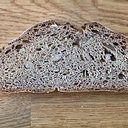 Wholemeal rye bread
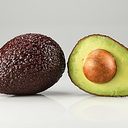 Avocado
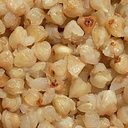 Buckwheat groats (dry)
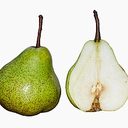 Pear
Lunch — pick one of 3
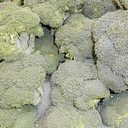 Broccoli
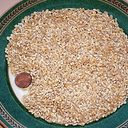 Pearl barley, boiled 150 g ·
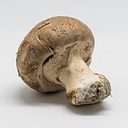 Button mushrooms 100 g ·
 Leek 60 g · Eggs, boiled 60 g (1 egg) ·
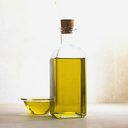 Olive oil 5 g
Dinner — pick one of 3
Eggs, boiled 180 g (3 eggs) · 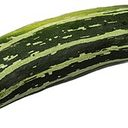 Courgette (zucchini) 100 g ·
 Red sweet pepper 60 g ·
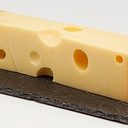 Emmental cheese 20 g ·
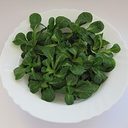 Lamb's lettuce 40 g ·
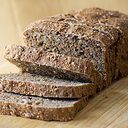 Wholemeal bread 40 g · Olive oil 5 g
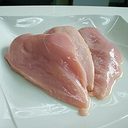 Chicken breast, skinless 130 g ·
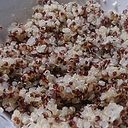 Quinoa, boiled 150 g ·
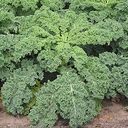 Kale 60 g · Red sweet pepper 80 g · Olive oil 5 g
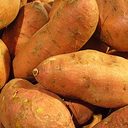 Sweet potato
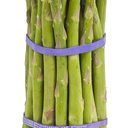 Asparagus
Snack — pick one of 3
 Orange
 Soya yogurt alternative, fortified
 Raspberries
 Wholemeal rye crispbread
 Peanut butter (100% peanuts)
 Banana
In short
Choline is authorised to contribute to the maintenance of normal liver function and normal lipid metabolism. For fatty liver disease, NIH says your doctor may recommend gradually losing weight if you are overweight, and advises minimising alcohol.
What official sources say
Key nutrients & daily targets
Shown for a reference adult (40-year-old man, 75 kg, ~2600 kcal). Your plan recalculates these for your age, sex and weight.
| Nutrient | Daily target | Basis |
|---|---|---|
| Choline | 550 mg | NIH ODS Recommended Dietary Allowance / Adequate Intake for your age and sex NIH ODS |
| Dietary fibre | 25 g | EFSA Adequate Intake 25 g/day for adults; WHO (2023) recommends at least 25 g/day of naturally occurring fibre WHO |
| Fruit & vegetables | 400 g | WHO: at least 400 g of fruit and vegetables a day (potatoes do not count) WHO |
| Saturated fat | < 29 g | WHO: less than 10 % of energy WHO |
All authorised EU health claims for this goal (2)
Exact wording from Regulation (EU) No 432/2012. A food may only carry a claim if it meets the legal condition of use — on each food page we show the numbers that meet (or miss) it.
Choline contributes to normal lipid metabolism.EUR-LexEU CommissionNIH ODS
Choline contributes to the maintenance of normal liver function.EUR-LexEU CommissionNIH ODS
Foods ranked by nutrient content (14)
Ranked by how much of the daily target one normal portion provides (nutrient values: BLS 4.0 / USDA FDC), plus authorised claims the food qualifies for.
Eggs, boiled · 120 g (2 eggs)
 Cauliflower · 150 g
 Lentils, boiled
 Green beans
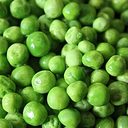 Green peas, frozen
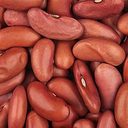 Kidney beans, canned, drained
 Apple
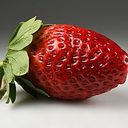 Strawberries
Example day from a liver health plan
Generated automatically for the reference adult. Your plan adapts portions, diet type and allergies.
Eggs, boiled 180 g (3 eggs) · Wholemeal bread 100 g · 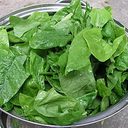 Spinach 50 g ·
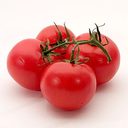 Tomatoes 100 g · Olive oil 10 g
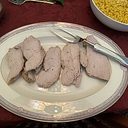 Turkey breast, skinless 170 g · Pearl barley, boiled 250 g ·
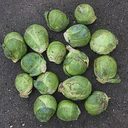 Brussels sprouts 120 g · Olive oil 10 g
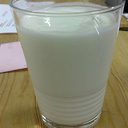 Kefir, low-fat 340 g ·
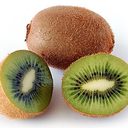 Kiwi fruit 130 g
Sources
- Commission Regulation (EU) No 432/2012 — list of permitted health claims (consolidated) — European Union (EUR-Lex)
- Eating, diet & nutrition for MASLD / NAFLD — NIH NIDDK
- Liver disease — NIH NIDDK
- Symptoms & causes of MASLD / NAFLD — NIH NIDDK
- Your digestive system & how it works — NIH NIDDK
- Bundeslebensmittelschlüssel (BLS) 4.0 — German Nutrient Database — Max Rubner-Institut
- FoodData Central — USDA Agricultural Research Service