🦵 Best foods for joints and cartilage
What to do — the quick answer
Tap any line for the reason, the evidence level and the source. The full step-by-step explanation follows below.
🥗 Eat more of
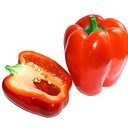 Red sweet pepperSupports cartilageHow it helps your joints
Joints depend on cartilage, tendons and ligaments. Vitamin C is authorised for normal collagen formation in cartilage, and manganese and copper for normal connective tissue. NIH NIAMSEUR-Lex
One portion (100 g): 160 mg Vitamin C
The evidenceEU claim Cartilage collagen · 160 mg per portion Step 1All nutrients & evidence for red sweet pepper →“Vitamin C contributes to normal collagen formation for the normal function of cartilage.” EUR-LexEU Commission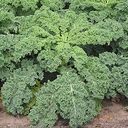 KaleSupports cartilageHow it helps your joints
Joints depend on cartilage, tendons and ligaments. Vitamin C is authorised for normal collagen formation in cartilage, and manganese and copper for normal connective tissue. NIH NIAMSEUR-Lex
One portion (100 g): 156 mg Vitamin C
The evidenceEU claim Cartilage collagen · 156 mg per portion Step 1All nutrients & evidence for kale →“Vitamin C contributes to normal collagen formation for the normal function of cartilage.” EUR-LexEU Commission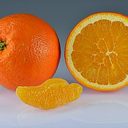 OrangeSupports cartilageHow it helps your joints
Joints depend on cartilage, tendons and ligaments. Vitamin C is authorised for normal collagen formation in cartilage, and manganese and copper for normal connective tissue. NIH NIAMSEUR-Lex
One portion (150 g): 93.5 mg Vitamin C
The evidenceEU claim Cartilage collagen · 93.5 mg per portion Step 1All nutrients & evidence for orange →“Vitamin C contributes to normal collagen formation for the normal function of cartilage.” EUR-LexEU Commission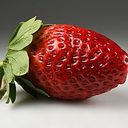 StrawberriesSupports cartilageHow it helps your joints
Joints depend on cartilage, tendons and ligaments. Vitamin C is authorised for normal collagen formation in cartilage, and manganese and copper for normal connective tissue. NIH NIAMSEUR-Lex
One portion (150 g): 85.3 mg Vitamin C
The evidenceEU claim Cartilage collagen · 85.3 mg per portion Step 1All nutrients & evidence for strawberries →“Vitamin C contributes to normal collagen formation for the normal function of cartilage.” EUR-LexEU Commission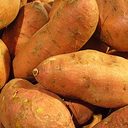 Sweet potatoSupports cartilageHow it helps your joints
Joints depend on cartilage, tendons and ligaments. Vitamin C is authorised for normal collagen formation in cartilage, and manganese and copper for normal connective tissue. NIH NIAMSEUR-Lex
One portion (200 g): 60 mg Vitamin C
The evidenceEU claim Cartilage collagen · 60 mg per portion Step 1All nutrients & evidence for sweet potato →“Vitamin C contributes to normal collagen formation for the normal function of cartilage.” EUR-LexEU Commission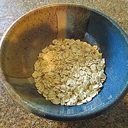 Oat flakes (rolled oats)Supports cartilageHow it helps your joints
Joints depend on cartilage, tendons and ligaments. Vitamin C is authorised for normal collagen formation in cartilage, and manganese and copper for normal connective tissue. NIH NIAMSEUR-Lex
The evidenceEU claim Connective tissue · 2.5 mg per portion Step 1All nutrients & evidence for oat flakes (rolled oats) →“Manganese contributes to the normal formation of connective tissue.” EUR-LexEU Commission Wholemeal pasta, boiledSupports cartilageHow it helps your joints
Joints depend on cartilage, tendons and ligaments. Vitamin C is authorised for normal collagen formation in cartilage, and manganese and copper for normal connective tissue. NIH NIAMSEUR-Lex
The evidenceEU claim Connective tissue · 1.9 mg per portion Step 1All nutrients & evidence for wholemeal pasta, boiled →“Manganese contributes to the normal formation of connective tissue.” EUR-LexEU Commission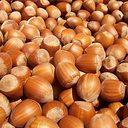 HazelnutsSupports cartilageHow it helps your joints
Joints depend on cartilage, tendons and ligaments. Vitamin C is authorised for normal collagen formation in cartilage, and manganese and copper for normal connective tissue. NIH NIAMSEUR-Lex
The evidenceEU claim Connective tissue · 1.6 mg per portion Step 1All nutrients & evidence for hazelnuts →“Manganese contributes to the normal formation of connective tissue.” EUR-LexEU Commission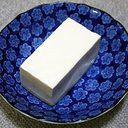 TofuSupports cartilageHow it helps your joints
Joints depend on cartilage, tendons and ligaments. Vitamin C is authorised for normal collagen formation in cartilage, and manganese and copper for normal connective tissue. NIH NIAMSEUR-Lex
The evidenceEU claim Connective tissue · 1.6 mg per portion Step 1All nutrients & evidence for tofu →“Manganese contributes to the normal formation of connective tissue.” EUR-LexEU Commission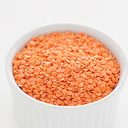 Red lentils (dry)Supports cartilageHow it helps your joints
Joints depend on cartilage, tendons and ligaments. Vitamin C is authorised for normal collagen formation in cartilage, and manganese and copper for normal connective tissue. NIH NIAMSEUR-Lex
One portion (60 g): 1 mg Vitamin C
The evidenceEU claim Connective tissue · 0.78 mg per portion Step 1All nutrients & evidence for red lentils (dry) →“Copper contributes to maintenance of normal connective tissues.” EUR-LexEU Commission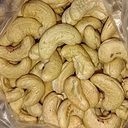 Cashew nutsSupports cartilageHow it helps your joints
Joints depend on cartilage, tendons and ligaments. Vitamin C is authorised for normal collagen formation in cartilage, and manganese and copper for normal connective tissue. NIH NIAMSEUR-Lex
The evidenceEU claim Connective tissue · 0.52 mg per portion Step 1All nutrients & evidence for cashew nuts →“Copper contributes to maintenance of normal connective tissues.” EUR-LexEU Commission
Evidence: EU claim EU-authorised claim · Official Official guidance · Trials Clinical trials · Study Population study · Review Scientific review
Turn this into my daily joints & cartilage plan → How it works, step by step ↓
How joints work
Cartilage covers the ends of the bones where they meet to form a joint. NIH NIAMS
-
Cartilage and connective tissue
Root cause: Joint tissues need collagen and connective tissue to stay intact.
🥗 Eat
- Red sweet pepperSupports cartilageHow it helps your joints
Joints depend on cartilage, tendons and ligaments. Vitamin C is authorised for normal collagen formation in cartilage, and manganese and copper for normal connective tissue. NIH NIAMSEUR-Lex
One portion (100 g): 160 mg Vitamin C
The evidenceEU claim Cartilage collagen · 160 mg per portionAll nutrients & evidence for red sweet pepper →“Vitamin C contributes to normal collagen formation for the normal function of cartilage.” EUR-LexEU Commission - KaleSupports cartilageHow it helps your joints
Joints depend on cartilage, tendons and ligaments. Vitamin C is authorised for normal collagen formation in cartilage, and manganese and copper for normal connective tissue. NIH NIAMSEUR-Lex
One portion (100 g): 156 mg Vitamin C
The evidenceEU claim Cartilage collagen · 156 mg per portionAll nutrients & evidence for kale →“Vitamin C contributes to normal collagen formation for the normal function of cartilage.” EUR-LexEU Commission - OrangeSupports cartilageHow it helps your joints
Joints depend on cartilage, tendons and ligaments. Vitamin C is authorised for normal collagen formation in cartilage, and manganese and copper for normal connective tissue. NIH NIAMSEUR-Lex
One portion (150 g): 93.5 mg Vitamin C
The evidenceEU claim Cartilage collagen · 93.5 mg per portionAll nutrients & evidence for orange →“Vitamin C contributes to normal collagen formation for the normal function of cartilage.” EUR-LexEU Commission - StrawberriesSupports cartilageHow it helps your joints
Joints depend on cartilage, tendons and ligaments. Vitamin C is authorised for normal collagen formation in cartilage, and manganese and copper for normal connective tissue. NIH NIAMSEUR-Lex
One portion (150 g): 85.3 mg Vitamin C
The evidenceEU claim Cartilage collagen · 85.3 mg per portionAll nutrients & evidence for strawberries →“Vitamin C contributes to normal collagen formation for the normal function of cartilage.” EUR-LexEU Commission - Sweet potatoSupports cartilageHow it helps your joints
Joints depend on cartilage, tendons and ligaments. Vitamin C is authorised for normal collagen formation in cartilage, and manganese and copper for normal connective tissue. NIH NIAMSEUR-Lex
One portion (200 g): 60 mg Vitamin C
The evidenceEU claim Cartilage collagen · 60 mg per portionAll nutrients & evidence for sweet potato →“Vitamin C contributes to normal collagen formation for the normal function of cartilage.” EUR-LexEU Commission - Oat flakes (rolled oats)Supports cartilageHow it helps your joints
Joints depend on cartilage, tendons and ligaments. Vitamin C is authorised for normal collagen formation in cartilage, and manganese and copper for normal connective tissue. NIH NIAMSEUR-Lex
The evidenceEU claim Connective tissue · 2.5 mg per portionAll nutrients & evidence for oat flakes (rolled oats) →“Manganese contributes to the normal formation of connective tissue.” EUR-LexEU Commission - Wholemeal pasta, boiledSupports cartilageHow it helps your joints
Joints depend on cartilage, tendons and ligaments. Vitamin C is authorised for normal collagen formation in cartilage, and manganese and copper for normal connective tissue. NIH NIAMSEUR-Lex
The evidenceEU claim Connective tissue · 1.9 mg per portionAll nutrients & evidence for wholemeal pasta, boiled →“Manganese contributes to the normal formation of connective tissue.” EUR-LexEU Commission - HazelnutsSupports cartilageHow it helps your joints
Joints depend on cartilage, tendons and ligaments. Vitamin C is authorised for normal collagen formation in cartilage, and manganese and copper for normal connective tissue. NIH NIAMSEUR-Lex
The evidenceEU claim Connective tissue · 1.6 mg per portionAll nutrients & evidence for hazelnuts →“Manganese contributes to the normal formation of connective tissue.” EUR-LexEU Commission
How this step works · what slows it down · sources
Cartilage covers the ends of the bones in a joint. Joints also depend on tendons, ligaments and the joint lining (synovium). NIH NIAMS
“EU claim” items use the exact wording of Reg. (EU) No 432/2012 EUR-Lex; listed foods meet the legal condition of use (amounts per normal portion, BLS 4.0 / USDA).
-
In osteoarthritis the tissues break down
Root cause: Not simple wear and tear: age, extra weight, past injury and overuse change the tissue.
How this step works · what slows it down · sources
In osteoarthritis the joint tissues break down over time. It is not simple wear and tear; changes in the tissue trigger it. Small bone spurs may grow at the edges of the joint. NIH NIAMS
🔻 What can slow this down
- Older age, being female (especially after 50), overweight or obesity, past joint injury or surgery, repeated overuse and family history. NIH NIAMS
The advice for this step comes from official health agencies and published research — the badge on each line shows which.
Authorised claims say a nutrient contributes to a normal body function. They do not mean that eating more than you need improves that function, or that a food treats any condition. Population studies show associations, not proof of cause.
Meal options built from this flow
Pick any option per meal. Ranked by how well one portion covers this goal's targets and how many steps above its foods support (reference adult, everything diet). The planner adapts portions, diet type and allergies.
Breakfast — pick one of 3
 Eggs, boiled
 Skyr
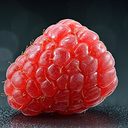 Raspberries
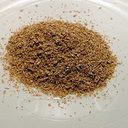 Oat bran flakes
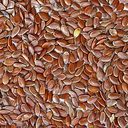 Linseed (flaxseed), groundTofu 150 g · Red sweet pepper 80 g ·
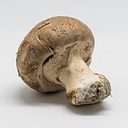 Button mushrooms 80 g ·
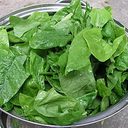 Spinach 40 g ·
 Rapeseed (canola) oil 5 g ·
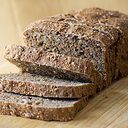 Wholemeal bread 50 g
Lunch — pick one of 3
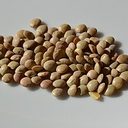 Lentils, boiled 150 g ·
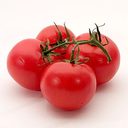 Tomatoes 100 g ·
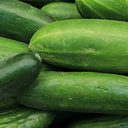 Cucumber 80 g · Red sweet pepper 60 g ·
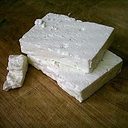 Feta 30 g ·
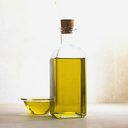 Olive oil 10 g ·
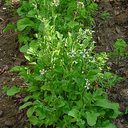 Rocket (arugula) 20 g
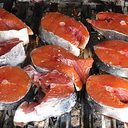 SalmonTofu 120 g ·
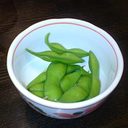 Edamame (immature soya beans) 80 g ·
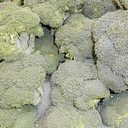 Broccoli 80 g · Red sweet pepper 60 g ·
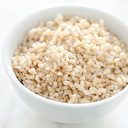 Brown rice, boiled 150 g · Rapeseed (canola) oil 5 g
Dinner — pick one of 3
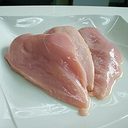 Chicken breast, skinless 130 g ·
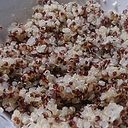 Quinoa, boiled 150 g · Kale 60 g · Red sweet pepper 80 g · Olive oil 5 g
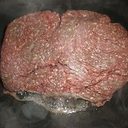 Beef mince, lean 100 g ·
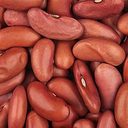 Kidney beans, canned, drained 100 g · Tomatoes 150 g ·
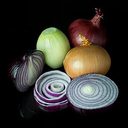 Onion 40 g · Red sweet pepper 60 g · Brown rice, boiled 120 gTofu 150 g ·
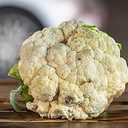 Cauliflower 120 g · Spinach 50 g ·
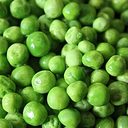 Green peas, frozen 60 g · Brown rice, boiled 150 g · Rapeseed (canola) oil 5 g
Snack — pick one of 3
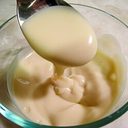 Soya yogurt alternative, fortified
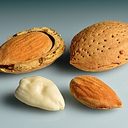 Almonds
In short
Vitamin C contributes to normal collagen formation for the normal function of cartilage. Copper and manganese contribute to normal connective tissue. Keeping a healthy body weight reduces load on weight-bearing joints.
What official sources say
Key nutrients & daily targets
Shown for a reference adult (40-year-old man, 75 kg, ~2600 kcal). Your plan recalculates these for your age, sex and weight.
| Nutrient | Daily target | Basis |
|---|---|---|
| Vitamin C | 90 mg | NIH ODS Recommended Dietary Allowance / Adequate Intake for your age and sex NIH ODS |
| Manganese | 2.3 mg | NIH ODS Recommended Dietary Allowance / Adequate Intake for your age and sex NIH ODS |
| Copper | 0.9 mg | NIH ODS Recommended Dietary Allowance / Adequate Intake for your age and sex NIH ODS |
| Fruit & vegetables | 400 g | WHO: at least 400 g of fruit and vegetables a day (potatoes do not count) WHO |
All authorised EU health claims for this goal (3)
Exact wording from Regulation (EU) No 432/2012. A food may only carry a claim if it meets the legal condition of use — on each food page we show the numbers that meet (or miss) it.
Copper contributes to maintenance of normal connective tissues.EUR-LexEU CommissionNIH ODS
Manganese contributes to the normal formation of connective tissue.EUR-LexEU CommissionNIH ODS
Vitamin C contributes to normal collagen formation for the normal function of cartilage.EUR-LexEU CommissionNIH ODS
Foods ranked by nutrient content (14)
Ranked by how much of the daily target one normal portion provides (nutrient values: BLS 4.0 / USDA FDC), plus authorised claims the food qualifies for.
Broccoli · 150 g
Strawberries · 150 g
Kale · 100 g
Spinach · 100 g
Cauliflower · 150 g
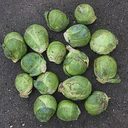 Brussels sprouts · 120 g
Orange · 150 g
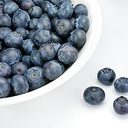 Blueberries · 100 g
Sweet potato · 200 g
Red sweet pepper · 100 g
 Red cabbage · 100 g
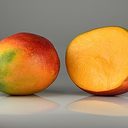 Mango · 150 g
Red lentils (dry) · 60 g
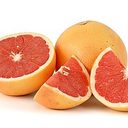 Grapefruit · 150 g
Example day from a joints & cartilage plan
Generated automatically for the reference adult. Your plan adapts portions, diet type and allergies.
Lentils, boiled 250 g · Tomatoes 100 g · Cucumber 80 g · Red sweet pepper 60 g · 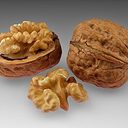 Walnuts 30 g · Olive oil 15 g · Rocket (arugula) 20 g
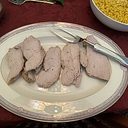 Turkey breast, skinless 170 g ·
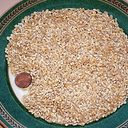 Pearl barley, boiled 250 g · Brussels sprouts 120 g · Olive oil 10 g
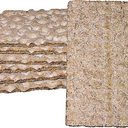 Wholemeal rye crispbread
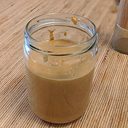 Peanut butter (100% peanuts)
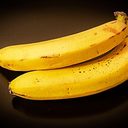 Banana
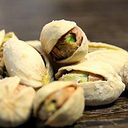 Pistachios 40 g ·
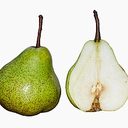 Pear 250 g
Sources
- Commission Regulation (EU) No 432/2012 — list of permitted health claims (consolidated) — European Union (EUR-Lex)
- Glucosamine and chondroitin for osteoarthritis — NIH NCCIH
- Osteoarthritis — NIH NIAMS
- Self-care for arthritis: five ways to manage your symptoms — US Centers for Disease Control and Prevention
- Bundeslebensmittelschlüssel (BLS) 4.0 — German Nutrient Database — Max Rubner-Institut
- FoodData Central — USDA Agricultural Research Service