🩸 Best foods for iron and healthy red blood cells
What to do — the quick answer
Tap any line for the reason, the evidence level and the source. The full step-by-step explanation follows below.
🥗 Eat more of
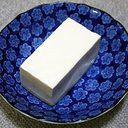 TofuHelps blood carry oxygenHow it helps your blood
Red blood cells carry oxygen, and your body needs iron to make them. Vitamin C helps you absorb the iron in a meal. NIH NHLBIEUR-Lex
One portion (150 g): 4.3 mg Iron
The evidenceOfficial Iron-rich foods Step 1NIH lists beans, dried fruit, eggs, lean red meat, salmon, iron-fortified cereals, peas, tofu and dark green leafy vegetables. NIH NHLBIEU claim Makes red blood cells · 4.3 mg per portion Step 1“Iron contributes to normal formation of red blood cells and haemoglobin.” EUR-LexEU CommissionEU claim Carries oxygen · 4.3 mg per portion Step 1“Iron contributes to normal oxygen transport in the body.” EUR-LexEU CommissionEU claim Moves iron · 0.41 mg per portion Step 1All nutrients & evidence for tofu →“Copper contributes to normal iron transport in the body.” EUR-LexEU Commission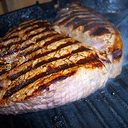 Beef rump (lean red meat)Helps blood carry oxygenHow it helps your blood
Red blood cells carry oxygen, and your body needs iron to make them. Vitamin C helps you absorb the iron in a meal. NIH NHLBIEUR-Lex
One portion (125 g): 3.3 mg Iron
The evidenceOfficial Iron-rich foods Step 1NIH lists beans, dried fruit, eggs, lean red meat, salmon, iron-fortified cereals, peas, tofu and dark green leafy vegetables. NIH NHLBIEU claim Makes red blood cells · 3.3 mg per portion Step 1“Iron contributes to normal formation of red blood cells and haemoglobin.” EUR-LexEU CommissionEU claim Carries oxygen · 3.3 mg per portion Step 1“Iron contributes to normal oxygen transport in the body.” EUR-LexEU CommissionEU claim Red blood cells · 2.3 µg per portion Step 1All nutrients & evidence for beef rump (lean red meat) →“Vitamin B12 contributes to normal red blood cell formation.” EUR-LexEU Commission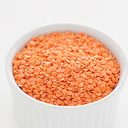 Red lentils (dry)Helps blood carry oxygenHow it helps your blood
Red blood cells carry oxygen, and your body needs iron to make them. Vitamin C helps you absorb the iron in a meal. NIH NHLBIEUR-Lex
One portion (60 g): 4.4 mg Iron · 1 mg Vitamin C
The evidenceEU claim Makes red blood cells · 4.4 mg per portion Step 1“Iron contributes to normal formation of red blood cells and haemoglobin.” EUR-LexEU CommissionEU claim Carries oxygen · 4.4 mg per portion Step 1“Iron contributes to normal oxygen transport in the body.” EUR-LexEU CommissionEU claim Blood formation · 107 µg per portion Step 1“Folate contributes to normal blood formation.” EUR-LexEU CommissionEU claim Moves iron · 0.78 mg per portion Step 1All nutrients & evidence for red lentils (dry) →“Copper contributes to normal iron transport in the body.” EUR-LexEU Commission Eggs, boiledHelps blood carry oxygenHow it helps your blood
Red blood cells carry oxygen, and your body needs iron to make them. Vitamin C helps you absorb the iron in a meal. NIH NHLBIEUR-Lex
One portion (120 g): 2.4 mg Iron
The evidenceOfficial Iron-rich foods Step 1NIH lists beans, dried fruit, eggs, lean red meat, salmon, iron-fortified cereals, peas, tofu and dark green leafy vegetables. NIH NHLBIEU claim Red blood cells · 2.4 µg per portion Step 1“Vitamin B12 contributes to normal red blood cell formation.” EUR-LexEU CommissionEU claim Blood formation · 104 µg per portion Step 1All nutrients & evidence for eggs, boiled →“Folate contributes to normal blood formation.” EUR-LexEU Commission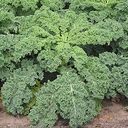 KaleHelps blood carry oxygen · Normal blood clottingHow it helps your blood
Helps blood carry oxygen: Red blood cells carry oxygen, and your body needs iron to make them. Vitamin C helps you absorb the iron in a meal. NIH NHLBIEUR-Lex
Normal blood clotting: Vitamin K and calcium are authorised to contribute to normal blood clotting. If you take blood thinners, keep your vitamin K intake steady. EUR-LexNIH ODS
One portion (100 g): 1.1 mg Iron · 156 mg Vitamin C · 1139 µg Vitamin K
The evidenceEU claim Blood formation · 187 µg per portion Step 1“Folate contributes to normal blood formation.” EUR-LexEU CommissionEU claim Absorbs more iron · 156 mg per portion Step 1“Vitamin C increases iron absorption.” EUR-LexEU CommissionEU claim Normal clotting · 1139 µg per portion Step 2All nutrients & evidence for kale →“Vitamin K contributes to normal blood clotting.” EUR-LexEU Commission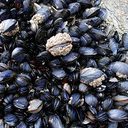 MusselsHelps blood carry oxygenHow it helps your blood
Red blood cells carry oxygen, and your body needs iron to make them. Vitamin C helps you absorb the iron in a meal. NIH NHLBIEUR-Lex
One portion (150 g): 12.7 mg Iron · 4.8 mg Vitamin C
The evidenceEU claim Makes red blood cells · 12.7 mg per portion Step 1“Iron contributes to normal formation of red blood cells and haemoglobin.” EUR-LexEU CommissionEU claim Carries oxygen · 12.7 mg per portion Step 1“Iron contributes to normal oxygen transport in the body.” EUR-LexEU CommissionEU claim Red blood cells · 12 µg per portion Step 1All nutrients & evidence for mussels →“Vitamin B12 contributes to normal red blood cell formation.” EUR-LexEU Commission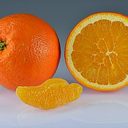 OrangeHelps blood carry oxygenHow it helps your blood
Red blood cells carry oxygen, and your body needs iron to make them. Vitamin C helps you absorb the iron in a meal. NIH NHLBIEUR-Lex
One portion (150 g): 0.27 mg Iron · 93.5 mg Vitamin C
The evidenceOfficial Vitamin C with iron Step 1Oranges, strawberries and tomatoes help your body absorb iron from a meal. NIH NHLBIEU claim Absorbs more iron · 93.5 mg per portion Step 1All nutrients & evidence for orange →“Vitamin C increases iron absorption.” EUR-LexEU Commission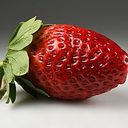 StrawberriesHelps blood carry oxygenHow it helps your blood
Red blood cells carry oxygen, and your body needs iron to make them. Vitamin C helps you absorb the iron in a meal. NIH NHLBIEUR-Lex
One portion (150 g): 0.69 mg Iron · 85.3 mg Vitamin C
The evidenceOfficial Vitamin C with iron Step 1Oranges, strawberries and tomatoes help your body absorb iron from a meal. NIH NHLBIEU claim Absorbs more iron · 85.3 mg per portion Step 1All nutrients & evidence for strawberries →“Vitamin C increases iron absorption.” EUR-LexEU Commission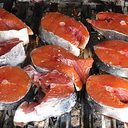 SalmonHelps blood carry oxygenHow it helps your blood
Red blood cells carry oxygen, and your body needs iron to make them. Vitamin C helps you absorb the iron in a meal. NIH NHLBIEUR-Lex
One portion (125 g): 0.3 mg Iron
The evidenceOfficial Iron-rich foods Step 1NIH lists beans, dried fruit, eggs, lean red meat, salmon, iron-fortified cereals, peas, tofu and dark green leafy vegetables. NIH NHLBIEU claim Red blood cells · 0.69 mg per portion Step 1All nutrients & evidence for salmon →“Vitamin B6 contributes to normal red blood cell formation.” EUR-LexEU Commission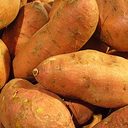 Sweet potatoHelps blood carry oxygenHow it helps your blood
Red blood cells carry oxygen, and your body needs iron to make them. Vitamin C helps you absorb the iron in a meal. NIH NHLBIEUR-Lex
One portion (200 g): 1.3 mg Iron · 60 mg Vitamin C
The evidenceEU claim Absorbs more iron · 60 mg per portion Step 1“Vitamin C increases iron absorption.” EUR-LexEU CommissionEU claim Red blood cells · 0.54 mg per portion Step 1All nutrients & evidence for sweet potato →“Vitamin B6 contributes to normal red blood cell formation.” EUR-LexEU Commission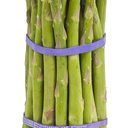 AsparagusHelps blood carry oxygenHow it helps your blood
Red blood cells carry oxygen, and your body needs iron to make them. Vitamin C helps you absorb the iron in a meal. NIH NHLBIEUR-Lex
One portion (150 g): 0.6 mg Iron · 29.8 mg Vitamin C
The evidenceEU claim Blood formation · 182 µg per portion Step 1All nutrients & evidence for asparagus →“Folate contributes to normal blood formation.” EUR-LexEU Commission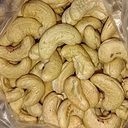 Cashew nutsHelps blood carry oxygenHow it helps your blood
Red blood cells carry oxygen, and your body needs iron to make them. Vitamin C helps you absorb the iron in a meal. NIH NHLBIEUR-Lex
One portion (25 g): 1.6 mg Iron
The evidenceEU claim Moves iron · 0.52 mg per portion Step 1All nutrients & evidence for cashew nuts →“Copper contributes to normal iron transport in the body.” EUR-LexEU Commission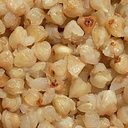 Buckwheat groats (dry)Helps blood carry oxygenHow it helps your blood
Red blood cells carry oxygen, and your body needs iron to make them. Vitamin C helps you absorb the iron in a meal. NIH NHLBIEUR-Lex
One portion (60 g): 1.2 mg Iron
The evidenceEU claim Moves iron · 0.42 mg per portion Step 1All nutrients & evidence for buckwheat groats (dry) →“Copper contributes to normal iron transport in the body.” EUR-LexEU Commission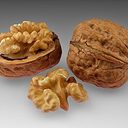 WalnutsHelps blood carry oxygenHow it helps your blood
Red blood cells carry oxygen, and your body needs iron to make them. Vitamin C helps you absorb the iron in a meal. NIH NHLBIEUR-Lex
One portion (30 g): 0.83 mg Iron
The evidenceEU claim Moves iron · 0.4 mg per portion Step 1All nutrients & evidence for walnuts →“Copper contributes to normal iron transport in the body.” EUR-LexEU Commission
Evidence: EU claim EU-authorised claim · Official Official guidance · Trials Clinical trials · Study Population study · Review Scientific review
Turn this into my daily healthy blood & iron plan → How it works, step by step ↓
How your blood carries oxygen — and clots when needed
Healthy blood needs enough red blood cells to carry oxygen, and clotting factors to stop bleeding. NIH NHLBI
-
Red blood cells carry oxygen
Root cause: Too little iron (or vitamin B12, folate), blood loss, or poor absorption.
🥗 Eat
- Red lentils (dry)Helps blood carry oxygenHow it helps your blood
Red blood cells carry oxygen, and your body needs iron to make them. Vitamin C helps you absorb the iron in a meal. NIH NHLBIEUR-Lex
One portion (60 g): 4.4 mg Iron · 1 mg Vitamin C
The evidenceEU claim Makes red blood cells · 4.4 mg per portion“Iron contributes to normal formation of red blood cells and haemoglobin.” EUR-LexEU CommissionEU claim Carries oxygen · 4.4 mg per portion“Iron contributes to normal oxygen transport in the body.” EUR-LexEU CommissionEU claim Blood formation · 107 µg per portion“Folate contributes to normal blood formation.” EUR-LexEU CommissionEU claim Moves iron · 0.78 mg per portionAll nutrients & evidence for red lentils (dry) →“Copper contributes to normal iron transport in the body.” EUR-LexEU Commission - TofuHelps blood carry oxygenHow it helps your blood
Red blood cells carry oxygen, and your body needs iron to make them. Vitamin C helps you absorb the iron in a meal. NIH NHLBIEUR-Lex
One portion (150 g): 4.3 mg Iron
The evidenceEU claim Makes red blood cells · 4.3 mg per portion“Iron contributes to normal formation of red blood cells and haemoglobin.” EUR-LexEU CommissionEU claim Carries oxygen · 4.3 mg per portion“Iron contributes to normal oxygen transport in the body.” EUR-LexEU CommissionEU claim Moves iron · 0.41 mg per portion“Copper contributes to normal iron transport in the body.” EUR-LexEU CommissionOfficial Iron-rich foodsAll nutrients & evidence for tofu →NIH lists beans, dried fruit, eggs, lean red meat, salmon, iron-fortified cereals, peas, tofu and dark green leafy vegetables. NIH NHLBI - Beef rump (lean red meat)Helps blood carry oxygenHow it helps your blood
Red blood cells carry oxygen, and your body needs iron to make them. Vitamin C helps you absorb the iron in a meal. NIH NHLBIEUR-Lex
One portion (125 g): 3.3 mg Iron
The evidenceEU claim Makes red blood cells · 3.3 mg per portion“Iron contributes to normal formation of red blood cells and haemoglobin.” EUR-LexEU CommissionEU claim Carries oxygen · 3.3 mg per portion“Iron contributes to normal oxygen transport in the body.” EUR-LexEU CommissionEU claim Red blood cells · 2.3 µg per portion“Vitamin B12 contributes to normal red blood cell formation.” EUR-LexEU CommissionOfficial Iron-rich foodsAll nutrients & evidence for beef rump (lean red meat) →NIH lists beans, dried fruit, eggs, lean red meat, salmon, iron-fortified cereals, peas, tofu and dark green leafy vegetables. NIH NHLBI - MusselsHelps blood carry oxygenHow it helps your blood
Red blood cells carry oxygen, and your body needs iron to make them. Vitamin C helps you absorb the iron in a meal. NIH NHLBIEUR-Lex
One portion (150 g): 12.7 mg Iron · 4.8 mg Vitamin C
The evidenceEU claim Makes red blood cells · 12.7 mg per portion“Iron contributes to normal formation of red blood cells and haemoglobin.” EUR-LexEU CommissionEU claim Carries oxygen · 12.7 mg per portion“Iron contributes to normal oxygen transport in the body.” EUR-LexEU CommissionEU claim Red blood cells · 12 µg per portionAll nutrients & evidence for mussels →“Vitamin B12 contributes to normal red blood cell formation.” EUR-LexEU Commission - Eggs, boiledHelps blood carry oxygenHow it helps your blood
Red blood cells carry oxygen, and your body needs iron to make them. Vitamin C helps you absorb the iron in a meal. NIH NHLBIEUR-Lex
One portion (120 g): 2.4 mg Iron
The evidenceEU claim Red blood cells · 2.4 µg per portion“Vitamin B12 contributes to normal red blood cell formation.” EUR-LexEU CommissionEU claim Blood formation · 104 µg per portion“Folate contributes to normal blood formation.” EUR-LexEU CommissionOfficial Iron-rich foodsAll nutrients & evidence for eggs, boiled →NIH lists beans, dried fruit, eggs, lean red meat, salmon, iron-fortified cereals, peas, tofu and dark green leafy vegetables. NIH NHLBI - KaleHelps blood carry oxygenHow it helps your blood
Red blood cells carry oxygen, and your body needs iron to make them. Vitamin C helps you absorb the iron in a meal. NIH NHLBIEUR-Lex
One portion (100 g): 1.1 mg Iron · 156 mg Vitamin C
The evidenceEU claim Blood formation · 187 µg per portion“Folate contributes to normal blood formation.” EUR-LexEU CommissionEU claim Absorbs more iron · 156 mg per portionAll nutrients & evidence for kale →“Vitamin C increases iron absorption.” EUR-LexEU Commission - OrangeHelps blood carry oxygenHow it helps your blood
Red blood cells carry oxygen, and your body needs iron to make them. Vitamin C helps you absorb the iron in a meal. NIH NHLBIEUR-Lex
One portion (150 g): 0.27 mg Iron · 93.5 mg Vitamin C
The evidenceEU claim Absorbs more iron · 93.5 mg per portion“Vitamin C increases iron absorption.” EUR-LexEU CommissionOfficial Vitamin C with ironAll nutrients & evidence for orange →Oranges, strawberries and tomatoes help your body absorb iron from a meal. NIH NHLBI - StrawberriesHelps blood carry oxygenHow it helps your blood
Red blood cells carry oxygen, and your body needs iron to make them. Vitamin C helps you absorb the iron in a meal. NIH NHLBIEUR-Lex
One portion (150 g): 0.69 mg Iron · 85.3 mg Vitamin C
The evidenceEU claim Absorbs more iron · 85.3 mg per portion“Vitamin C increases iron absorption.” EUR-LexEU CommissionOfficial Vitamin C with ironAll nutrients & evidence for strawberries →Oranges, strawberries and tomatoes help your body absorb iron from a meal. NIH NHLBI
🚫 Cut down on
Black tea with mealsOfficial
Black tea can reduce iron absorption. NIH NHLBI
How this step works · what slows it down · sources
Anaemia develops when your blood makes fewer healthy red blood cells than normal, so your body does not get enough oxygen-rich blood. The body needs iron to make healthy red blood cells. NIH NHLBINIH NHLBI
🔻 What can slow this down
“EU claim” items use the exact wording of Reg. (EU) No 432/2012 EUR-Lex; listed foods meet the legal condition of use (amounts per normal portion, BLS 4.0 / USDA).
-
Blood clots to stop bleeding
Root cause: Clotting needs vitamin K and calcium; blood thinners change this balance.
🥗 Eat
- KaleNormal blood clottingHow it helps your blood
Vitamin K and calcium are authorised to contribute to normal blood clotting. If you take blood thinners, keep your vitamin K intake steady. EUR-LexNIH ODS
One portion (100 g): 1139 µg Vitamin K
The evidenceEU claim Normal clotting · 1139 µg per portionAll nutrients & evidence for kale →“Vitamin K contributes to normal blood clotting.” EUR-LexEU Commission 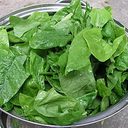 SpinachNormal blood clottingHow it helps your blood
Vitamin K and calcium are authorised to contribute to normal blood clotting. If you take blood thinners, keep your vitamin K intake steady. EUR-LexNIH ODS
One portion (100 g): 456 µg Vitamin K
The evidenceEU claim Normal clotting · 456 µg per portionAll nutrients & evidence for spinach →“Vitamin K contributes to normal blood clotting.” EUR-LexEU Commission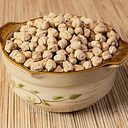 Chickpeas, canned, drainedNormal blood clottingHow it helps your blood
Vitamin K and calcium are authorised to contribute to normal blood clotting. If you take blood thinners, keep your vitamin K intake steady. EUR-LexNIH ODS
One portion (120 g): 80.4 µg Vitamin K
The evidenceEU claim Normal clotting · 80.4 µg per portionAll nutrients & evidence for chickpeas, canned, drained →“Vitamin K contributes to normal blood clotting.” EUR-LexEU Commission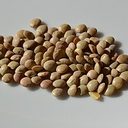 Lentils, boiledNormal blood clottingHow it helps your blood
Vitamin K and calcium are authorised to contribute to normal blood clotting. If you take blood thinners, keep your vitamin K intake steady. EUR-LexNIH ODS
One portion (150 g): 66 µg Vitamin K
The evidenceEU claim Normal clotting · 66 µg per portionAll nutrients & evidence for lentils, boiled →“Vitamin K contributes to normal blood clotting.” EUR-LexEU Commission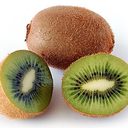 Kiwi fruitNormal blood clottingHow it helps your blood
Vitamin K and calcium are authorised to contribute to normal blood clotting. If you take blood thinners, keep your vitamin K intake steady. EUR-LexNIH ODS
One portion (75 g): 24.8 µg Vitamin K
The evidenceEU claim Normal clotting · 24.8 µg per portionAll nutrients & evidence for kiwi fruit →“Vitamin K contributes to normal blood clotting.” EUR-LexEU Commission Emmental cheeseNormal blood clottingHow it helps your blood
Vitamin K and calcium are authorised to contribute to normal blood clotting. If you take blood thinners, keep your vitamin K intake steady. EUR-LexNIH ODS
One portion (30 g): 6 µg Vitamin K
The evidenceEU claim Normal clotting · 348 mg per portionAll nutrients & evidence for emmental cheese →“Calcium contributes to normal blood clotting.” EUR-LexEU Commission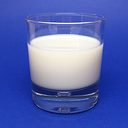 Milk, 1.5% fatNormal blood clottingHow it helps your blood
Vitamin K and calcium are authorised to contribute to normal blood clotting. If you take blood thinners, keep your vitamin K intake steady. EUR-LexNIH ODS
One portion (250 g): 2 µg Vitamin K
The evidenceEU claim Normal clotting · 303 mg per portionAll nutrients & evidence for milk, 1.5% fat →“Calcium contributes to normal blood clotting.” EUR-LexEU Commission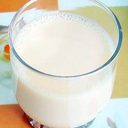 Soya drink, fortifiedNormal blood clottingHow it helps your blood
Vitamin K and calcium are authorised to contribute to normal blood clotting. If you take blood thinners, keep your vitamin K intake steady. EUR-LexNIH ODS
One portion (250 g): 2.5 µg Vitamin K
The evidenceEU claim Normal clotting · 300 mg per portionAll nutrients & evidence for soya drink, fortified →“Calcium contributes to normal blood clotting.” EUR-LexEU Commission
How this step works · what slows it down · sources
Vitamin K and calcium are authorised to contribute to normal blood clotting. If you take blood thinners, keep your vitamin K intake steady and ask your doctor. EUR-LexNIH ODS
“EU claim” items use the exact wording of Reg. (EU) No 432/2012 EUR-Lex; listed foods meet the legal condition of use (amounts per normal portion, BLS 4.0 / USDA).
Authorised claims say a nutrient contributes to a normal body function. They do not mean that eating more than you need improves that function, or that a food treats any condition. Population studies show associations, not proof of cause.
Meal options built from this flow
Pick any option per meal. Ranked by how well one portion covers this goal's targets and how many steps above its foods support (reference adult, everything diet). The planner adapts portions, diet type and allergies.
Breakfast — pick one of 3
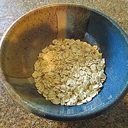 Oat flakes (rolled oats)
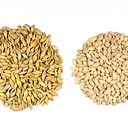 Wheat germ
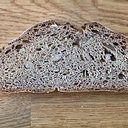 Wholemeal rye bread
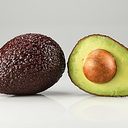 Avocado
Lunch — pick one of 3
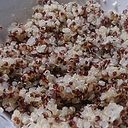 Quinoa, boiled
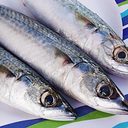 Mackerel 100 g ·
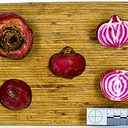 Beetroot 100 g ·
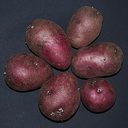 Potato, unpeeled 150 g ·
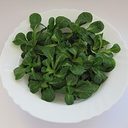 Lamb's lettuce 40 g ·
 Linseed (flaxseed) oil 5 g
Dinner — pick one of 3
 Green beans
 Alaska pollock
 Rapeseed (canola) oil
 Beef mince, lean 100 g ·
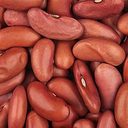 Kidney beans, canned, drained 100 g ·
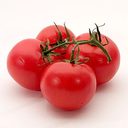 Tomatoes 150 g ·
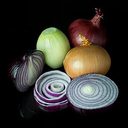 Onion 40 g ·
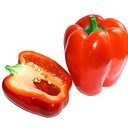 Red sweet pepper 60 g ·
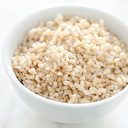 Brown rice, boiled 120 g
Snack — pick one of 3
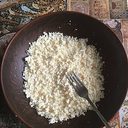 Cottage cheese 100 g ·
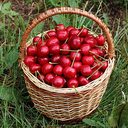 Sweet cherries 100 g
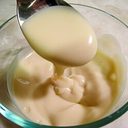 Soya yogurt alternative, fortified
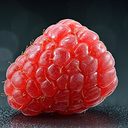 Raspberries
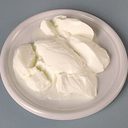 Natural yogurt, 1.5% fat 150 g ·
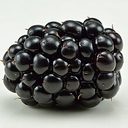 Blackberries 80 g
In short
Iron contributes to normal formation of red blood cells and haemoglobin; vitamin C increases iron absorption; B12, folate, B6 and riboflavin contribute to red blood cells; copper to iron transport.
What official sources say
Key nutrients & daily targets
Shown for a reference adult (40-year-old man, 75 kg, ~2600 kcal). Your plan recalculates these for your age, sex and weight.
| Nutrient | Daily target | Basis |
|---|---|---|
| Iron | 8 mg | NIH ODS Recommended Dietary Allowance / Adequate Intake for your age and sex NIH ODS |
| Vitamin C | 90 mg | NIH ODS Recommended Dietary Allowance / Adequate Intake for your age and sex NIH ODS |
| Vitamin B12 | 2.4 µg | NIH ODS Recommended Dietary Allowance / Adequate Intake for your age and sex NIH ODS |
| Folate | 400 µg | NIH ODS Recommended Dietary Allowance / Adequate Intake for your age and sex NIH ODS |
| Riboflavin (vitamin B2) | 1.3 mg | NIH ODS Recommended Dietary Allowance / Adequate Intake for your age and sex NIH ODS |
| Copper | 0.9 mg | NIH ODS Recommended Dietary Allowance / Adequate Intake for your age and sex NIH ODS |
All authorised EU health claims for this goal (12)
Exact wording from Regulation (EU) No 432/2012. A food may only carry a claim if it meets the legal condition of use — on each food page we show the numbers that meet (or miss) it.
Folate contributes to normal blood formation.EUR-LexEU CommissionNIH ODS
Iron contributes to normal formation of red blood cells and haemoglobin.EUR-LexEU CommissionNIH ODS
Iron contributes to normal oxygen transport in the body.EUR-LexEU CommissionNIH ODS
Copper contributes to normal iron transport in the body.EUR-LexEU CommissionNIH ODS
Vitamin B6 contributes to normal red blood cell formation.EUR-LexEU CommissionNIH ODS
Riboflavin contributes to the maintenance of normal red blood cells.EUR-LexEU CommissionNIH ODS
Riboflavin contributes to the normal metabolism of iron.EUR-LexEU CommissionNIH ODS
Vitamin C increases iron absorption.EUR-LexEU CommissionNIH ODS
Vitamin A contributes to normal iron metabolism.EUR-LexEU CommissionNIH ODS
Vitamin K contributes to normal blood clotting.EUR-LexEU CommissionNIH ODS
Calcium contributes to normal blood clotting.EUR-LexEU CommissionNIH ODS
Vitamin B12 contributes to normal red blood cell formation.EUR-LexEU CommissionNIH ODS
Foods ranked by nutrient content (14)
Ranked by how much of the daily target one normal portion provides (nutrient values: BLS 4.0 / USDA FDC), plus authorised claims the food qualifies for.
Mussels · 150 g
Eggs, boiled · 120 g (2 eggs)
Kale · 100 g
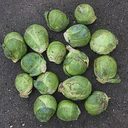 Brussels sprouts · 120 g
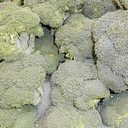 Broccoli · 150 g
Beef mince, lean · 125 g
Spinach · 100 g
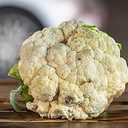 Cauliflower · 150 g
Beef rump (lean red meat) · 125 g
Mackerel · 125 g
Salmon · 125 g
Sweet potato · 200 g
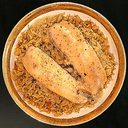 Herring · 125 g
 Edamame (immature soya beans) · 100 g
Example day from a healthy blood & iron plan
Generated automatically for the reference adult. Your plan adapts portions, diet type and allergies.
Eggs, boiled 180 g (3 eggs) · 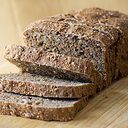 Wholemeal bread 100 g · Spinach 50 g · Tomatoes 100 g ·
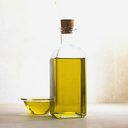 Olive oil 10 g
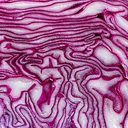 Red cabbageCottage cheese 170 g · Sweet cherries 170 g
⚕️ Safety tips
- Do not take iron supplements without a diagnosis — excess iron can be harmful. NIH ODS
Sources
- Commission Regulation (EU) No 432/2012 — list of permitted health claims (consolidated) — European Union (EUR-Lex)
- Iron — fact sheet for health professionals — NIH Office of Dietary Supplements
- Vitamin B12 — fact sheet for health professionals — NIH Office of Dietary Supplements
- Anemia — NIH NHLBI
- Iron-deficiency anemia — NIH NHLBI
- Vitamin K — fact sheet for health professionals — NIH Office of Dietary Supplements
- Bundeslebensmittelschlüssel (BLS) 4.0 — German Nutrient Database — Max Rubner-Institut
- FoodData Central — USDA Agricultural Research Service