👁️ Best foods for normal vision
What to do — the quick answer
Tap any line for the reason, the evidence level and the source. The full step-by-step explanation follows below.
🥗 Eat more of
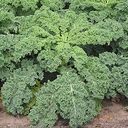 KaleSupports normal visionHow it helps your eyes
The retina turns light into signals. Vitamin A, DHA, riboflavin and zinc are authorised to contribute to normal vision, and the US National Eye Institute advises leafy greens and fish to lower the risk of macular degeneration. NIH NEIEUR-LexNIH NEI
One portion (100 g): 479 µg Vitamin A
The evidenceOfficial Leafy greens & fish Step 2To lower your risk of age-related macular degeneration, eat healthy foods including leafy green vegetables and fish, quit smoking, stay active and keep blood pressure and cholesterol healthy. NIH NEIEU claim Normal vision · 479 µg per portion Step 2All nutrients & evidence for kale →“Vitamin A contributes to the maintenance of normal vision.” EUR-LexEU Commission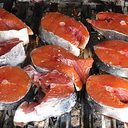 SalmonSupports normal visionHow it helps your eyes
The retina turns light into signals. Vitamin A, DHA, riboflavin and zinc are authorised to contribute to normal vision, and the US National Eye Institute advises leafy greens and fish to lower the risk of macular degeneration. NIH NEIEUR-LexNIH NEI
The evidenceOfficial Leafy greens & fish Step 2To lower your risk of age-related macular degeneration, eat healthy foods including leafy green vegetables and fish, quit smoking, stay active and keep blood pressure and cholesterol healthy. NIH NEIEU claim Normal vision · 1394 mg per portion Step 2All nutrients & evidence for salmon →“DHA contributes to the maintenance of normal vision.” Effect with 250 mg of DHA per day. EUR-LexEU Commission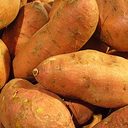 Sweet potatoSupports normal visionHow it helps your eyes
The retina turns light into signals. Vitamin A, DHA, riboflavin and zinc are authorised to contribute to normal vision, and the US National Eye Institute advises leafy greens and fish to lower the risk of macular degeneration. NIH NEIEUR-LexNIH NEI
One portion (200 g): 1316 µg Vitamin A
The evidenceEU claim Normal vision · 1316 µg per portion Step 2All nutrients & evidence for sweet potato →“Vitamin A contributes to the maintenance of normal vision.” EUR-LexEU Commission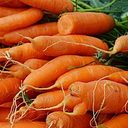 CarrotsSupports normal visionHow it helps your eyes
The retina turns light into signals. Vitamin A, DHA, riboflavin and zinc are authorised to contribute to normal vision, and the US National Eye Institute advises leafy greens and fish to lower the risk of macular degeneration. NIH NEIEUR-LexNIH NEI
One portion (100 g): 945 µg Vitamin A
The evidenceEU claim Normal vision · 945 µg per portion Step 2All nutrients & evidence for carrots →“Vitamin A contributes to the maintenance of normal vision.” EUR-LexEU Commission Eggs, boiledSupports normal visionHow it helps your eyes
The retina turns light into signals. Vitamin A, DHA, riboflavin and zinc are authorised to contribute to normal vision, and the US National Eye Institute advises leafy greens and fish to lower the risk of macular degeneration. NIH NEIEUR-LexNIH NEI
One portion (120 g): 305 µg Vitamin A
The evidenceEU claim Normal vision · 305 µg per portion Step 2All nutrients & evidence for eggs, boiled →“Vitamin A contributes to the maintenance of normal vision.” EUR-LexEU Commission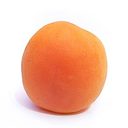 ApricotsSupports normal visionHow it helps your eyes
The retina turns light into signals. Vitamin A, DHA, riboflavin and zinc are authorised to contribute to normal vision, and the US National Eye Institute advises leafy greens and fish to lower the risk of macular degeneration. NIH NEIEUR-LexNIH NEI
One portion (100 g): 141 µg Vitamin A
The evidenceEU claim Normal vision · 141 µg per portion Step 2All nutrients & evidence for apricots →“Vitamin A contributes to the maintenance of normal vision.” EUR-LexEU Commission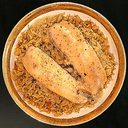 HerringSupports normal visionHow it helps your eyes
The retina turns light into signals. Vitamin A, DHA, riboflavin and zinc are authorised to contribute to normal vision, and the US National Eye Institute advises leafy greens and fish to lower the risk of macular degeneration. NIH NEIEUR-LexNIH NEI
One portion (125 g): 10 µg Vitamin A
The evidenceEU claim Normal vision · 1508 mg per portion Step 2All nutrients & evidence for herring →“DHA contributes to the maintenance of normal vision.” Effect with 250 mg of DHA per day. EUR-LexEU Commission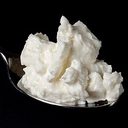 Low-fat quarkSupports normal visionHow it helps your eyes
The retina turns light into signals. Vitamin A, DHA, riboflavin and zinc are authorised to contribute to normal vision, and the US National Eye Institute advises leafy greens and fish to lower the risk of macular degeneration. NIH NEIEUR-LexNIH NEI
One portion (150 g): 1.5 µg Vitamin A
The evidenceEU claim Normal vision · 0.73 mg per portion Step 2All nutrients & evidence for low-fat quark →“Riboflavin contributes to the maintenance of normal vision.” EUR-LexEU Commission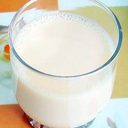 Soya drink, fortifiedSupports normal visionHow it helps your eyes
The retina turns light into signals. Vitamin A, DHA, riboflavin and zinc are authorised to contribute to normal vision, and the US National Eye Institute advises leafy greens and fish to lower the risk of macular degeneration. NIH NEIEUR-LexNIH NEI
One portion (250 g): 0.15 µg Vitamin A
The evidenceEU claim Normal vision · 0.53 mg per portion Step 2All nutrients & evidence for soya drink, fortified →“Riboflavin contributes to the maintenance of normal vision.” EUR-LexEU Commission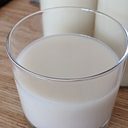 Oat drink, fortifiedSupports normal visionHow it helps your eyes
The retina turns light into signals. Vitamin A, DHA, riboflavin and zinc are authorised to contribute to normal vision, and the US National Eye Institute advises leafy greens and fish to lower the risk of macular degeneration. NIH NEIEUR-LexNIH NEI
The evidenceEU claim Normal vision · 0.53 mg per portion Step 2All nutrients & evidence for oat drink, fortified →“Riboflavin contributes to the maintenance of normal vision.” EUR-LexEU Commission SkyrSupports normal visionHow it helps your eyes
The retina turns light into signals. Vitamin A, DHA, riboflavin and zinc are authorised to contribute to normal vision, and the US National Eye Institute advises leafy greens and fish to lower the risk of macular degeneration. NIH NEIEUR-LexNIH NEI
One portion (150 g): 2.3 µg Vitamin A
The evidenceEU claim Normal vision · 0.41 mg per portion Step 2All nutrients & evidence for skyr →“Riboflavin contributes to the maintenance of normal vision.” EUR-LexEU Commission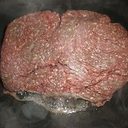 Beef mince, leanSupports normal visionHow it helps your eyes
The retina turns light into signals. Vitamin A, DHA, riboflavin and zinc are authorised to contribute to normal vision, and the US National Eye Institute advises leafy greens and fish to lower the risk of macular degeneration. NIH NEIEUR-LexNIH NEI
One portion (125 g): 30 µg Vitamin A
The evidenceEU claim Normal vision · 5.4 mg per portion Step 2All nutrients & evidence for beef mince, lean →“Zinc contributes to the maintenance of normal vision.” EUR-LexEU Commission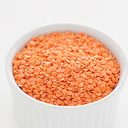 Red lentils (dry)Supports normal visionHow it helps your eyes
The retina turns light into signals. Vitamin A, DHA, riboflavin and zinc are authorised to contribute to normal vision, and the US National Eye Institute advises leafy greens and fish to lower the risk of macular degeneration. NIH NEIEUR-LexNIH NEI
One portion (60 g): 1.8 µg Vitamin A
The evidenceEU claim Normal vision · 2.2 mg per portion Step 2All nutrients & evidence for red lentils (dry) →“Zinc contributes to the maintenance of normal vision.” EUR-LexEU Commission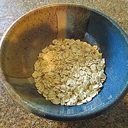 Oat flakes (rolled oats)Supports normal visionHow it helps your eyes
The retina turns light into signals. Vitamin A, DHA, riboflavin and zinc are authorised to contribute to normal vision, and the US National Eye Institute advises leafy greens and fish to lower the risk of macular degeneration. NIH NEIEUR-LexNIH NEI
The evidenceEU claim Normal vision · 1.8 mg per portion Step 2All nutrients & evidence for oat flakes (rolled oats) →“Zinc contributes to the maintenance of normal vision.” EUR-LexEU Commission
🏃 Do
Evidence: EU claim EU-authorised claim · Official Official guidance · Trials Clinical trials · Study Population study · Review Scientific review
Turn this into my daily eyes & vision plan → How it works, step by step ↓
How your eyes work
Seeing is a chain from the front of the eye to the brain. NIH NEI
- 1Cornea and lens focus light
- 2The retina turns light into signals
- 3The optic nerve carries them to the brain
-
Cornea and lens focus light
Root cause: UV light can cloud the lens (cataract).
🏃 Do
UV sunglassesOfficial
Wear wraparound sunglasses that block 99–100 % of UV-A and UV-B. WHO
How this step works · what slows it down · sources
Light passes through the cornea, the clear front layer of the eye, which bends it. The iris controls how much enters through the pupil, and the lens works with the cornea to focus light on the retina. NIH NEI
🔻 What can slow this down
- UV radiation can cause cataract and other eye damage. WHO
The advice for this step comes from official health agencies and published research — the badge on each line shows which.
-
The retina turns light into signals
Root cause: The retina (macula) is damaged in AMD; smoking raises the risk.
🥗 Eat
- KaleSupports normal visionHow it helps your eyes
The retina turns light into signals. Vitamin A, DHA, riboflavin and zinc are authorised to contribute to normal vision, and the US National Eye Institute advises leafy greens and fish to lower the risk of macular degeneration. NIH NEIEUR-LexNIH NEI
One portion (100 g): 479 µg Vitamin A
The evidenceEU claim Normal vision · 479 µg per portion“Vitamin A contributes to the maintenance of normal vision.” EUR-LexEU CommissionOfficial Leafy greens & fishAll nutrients & evidence for kale →To lower your risk of age-related macular degeneration, eat healthy foods including leafy green vegetables and fish, quit smoking, stay active and keep blood pressure and cholesterol healthy. NIH NEI - SalmonSupports normal visionHow it helps your eyes
The retina turns light into signals. Vitamin A, DHA, riboflavin and zinc are authorised to contribute to normal vision, and the US National Eye Institute advises leafy greens and fish to lower the risk of macular degeneration. NIH NEIEUR-LexNIH NEI
The evidenceEU claim Normal vision · 1394 mg per portion“DHA contributes to the maintenance of normal vision.” Effect with 250 mg of DHA per day. EUR-LexEU CommissionOfficial Leafy greens & fishAll nutrients & evidence for salmon →To lower your risk of age-related macular degeneration, eat healthy foods including leafy green vegetables and fish, quit smoking, stay active and keep blood pressure and cholesterol healthy. NIH NEI - Sweet potatoSupports normal visionHow it helps your eyes
The retina turns light into signals. Vitamin A, DHA, riboflavin and zinc are authorised to contribute to normal vision, and the US National Eye Institute advises leafy greens and fish to lower the risk of macular degeneration. NIH NEIEUR-LexNIH NEI
One portion (200 g): 1316 µg Vitamin A
The evidenceEU claim Normal vision · 1316 µg per portionAll nutrients & evidence for sweet potato →“Vitamin A contributes to the maintenance of normal vision.” EUR-LexEU Commission - CarrotsSupports normal visionHow it helps your eyes
The retina turns light into signals. Vitamin A, DHA, riboflavin and zinc are authorised to contribute to normal vision, and the US National Eye Institute advises leafy greens and fish to lower the risk of macular degeneration. NIH NEIEUR-LexNIH NEI
One portion (100 g): 945 µg Vitamin A
The evidenceEU claim Normal vision · 945 µg per portionAll nutrients & evidence for carrots →“Vitamin A contributes to the maintenance of normal vision.” EUR-LexEU Commission - Eggs, boiledSupports normal visionHow it helps your eyes
The retina turns light into signals. Vitamin A, DHA, riboflavin and zinc are authorised to contribute to normal vision, and the US National Eye Institute advises leafy greens and fish to lower the risk of macular degeneration. NIH NEIEUR-LexNIH NEI
One portion (120 g): 305 µg Vitamin A
The evidenceEU claim Normal vision · 305 µg per portionAll nutrients & evidence for eggs, boiled →“Vitamin A contributes to the maintenance of normal vision.” EUR-LexEU Commission - ApricotsSupports normal visionHow it helps your eyes
The retina turns light into signals. Vitamin A, DHA, riboflavin and zinc are authorised to contribute to normal vision, and the US National Eye Institute advises leafy greens and fish to lower the risk of macular degeneration. NIH NEIEUR-LexNIH NEI
One portion (100 g): 141 µg Vitamin A
The evidenceEU claim Normal vision · 141 µg per portionAll nutrients & evidence for apricots →“Vitamin A contributes to the maintenance of normal vision.” EUR-LexEU Commission - HerringSupports normal visionHow it helps your eyes
The retina turns light into signals. Vitamin A, DHA, riboflavin and zinc are authorised to contribute to normal vision, and the US National Eye Institute advises leafy greens and fish to lower the risk of macular degeneration. NIH NEIEUR-LexNIH NEI
One portion (125 g): 10 µg Vitamin A
The evidenceEU claim Normal vision · 1508 mg per portionAll nutrients & evidence for herring →“DHA contributes to the maintenance of normal vision.” Effect with 250 mg of DHA per day. EUR-LexEU Commission - Low-fat quarkSupports normal visionHow it helps your eyes
The retina turns light into signals. Vitamin A, DHA, riboflavin and zinc are authorised to contribute to normal vision, and the US National Eye Institute advises leafy greens and fish to lower the risk of macular degeneration. NIH NEIEUR-LexNIH NEI
One portion (150 g): 1.5 µg Vitamin A
The evidenceEU claim Normal vision · 0.73 mg per portionAll nutrients & evidence for low-fat quark →“Riboflavin contributes to the maintenance of normal vision.” EUR-LexEU Commission
🚫 Cut down on
SmokingOfficial
Quit smoking — or don't start — to lower AMD risk. NIH NEI
How this step works · what slows it down · sources
Special cells in the retina called photoreceptors turn light into electrical signals. NIH NEI
“EU claim” items use the exact wording of Reg. (EU) No 432/2012 EUR-Lex; listed foods meet the legal condition of use (amounts per normal portion, BLS 4.0 / USDA).
-
The optic nerve carries them to the brain
Root cause: Glaucoma slowly damages the optic nerve, often with no early symptoms.
🏃 Do
Dilated eye examOfficial
If you are at higher risk, get a comprehensive dilated eye exam every 1 to 2 years, and ask your doctor how often you should be checked. NIH NEI
How this step works · what slows it down · sources
The signals travel through the optic nerve to the brain, which turns them into the images you see. NIH NEI
🔻 What can slow this down
- Glaucoma damages the optic nerve and can lead to vision loss. Risk is higher over age 60, in African American people over 40 and with a family history of glaucoma. NIH NEI
✅ Also helps
- Starting treatment early can often stop further damage to your vision. NIH NEI
The advice for this step comes from official health agencies and published research — the badge on each line shows which.
Authorised claims say a nutrient contributes to a normal body function. They do not mean that eating more than you need improves that function, or that a food treats any condition. Population studies show associations, not proof of cause.
Meal options built from this flow
Pick any option per meal. Ranked by how well one portion covers this goal's targets and how many steps above its foods support (reference adult, everything diet). The planner adapts portions, diet type and allergies.
Breakfast — pick one of 3
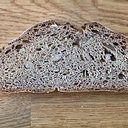 Wholemeal rye bread
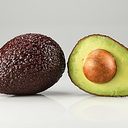 Avocado
 Tofu 150 g ·
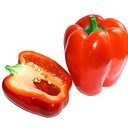 Red sweet pepper 80 g ·
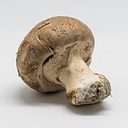 Button mushrooms 80 g ·
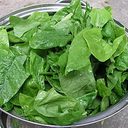 Spinach 40 g ·
 Rapeseed (canola) oil 5 g ·
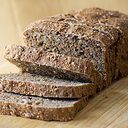 Wholemeal bread 50 g
Lunch — pick one of 3
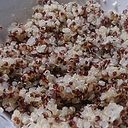 Quinoa, boiled
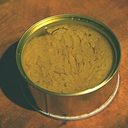 Tuna, canned, drained 100 g ·
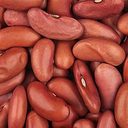 Kidney beans, canned, drained 100 g · Red sweet pepper 60 g ·
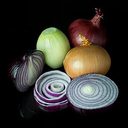 Onion 30 g ·
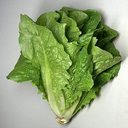 Romaine lettuce 60 g ·
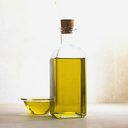 Olive oil 10 g
Dinner — pick one of 3
Eggs, boiled 180 g (3 eggs) · 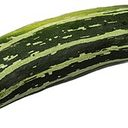 Courgette (zucchini) 100 g · Red sweet pepper 60 g ·
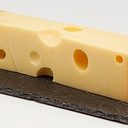 Emmental cheese 20 g ·
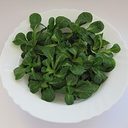 Lamb's lettuce 40 g · Wholemeal bread 40 g · Olive oil 5 g
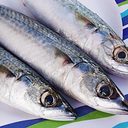 Mackerel 125 g ·
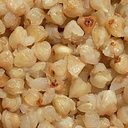 Buckwheat groats (dry) 50 g · Carrots 100 g ·
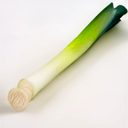 Leek 60 g · Rapeseed (canola) oil 5 g
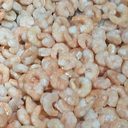 Shrimp 120 g · Buckwheat groats (dry) 50 g · Red sweet pepper 80 g ·
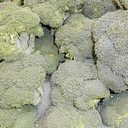 Broccoli 80 g · Carrots 60 g · Rapeseed (canola) oil 5 g
Snack — pick one of 3
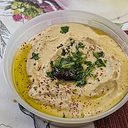 Hummus
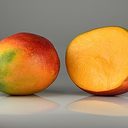 Mango 120 g ·
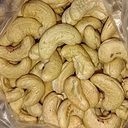 Cashew nuts 15 g
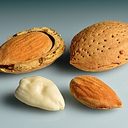 Almonds
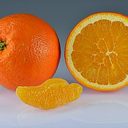 Orange
In short
Vitamin A, riboflavin and zinc contribute to the maintenance of normal vision; DHA does too at 250 mg per day.
What official sources say
Key nutrients & daily targets
Shown for a reference adult (40-year-old man, 75 kg, ~2600 kcal). Your plan recalculates these for your age, sex and weight.
| Nutrient | Daily target | Basis |
|---|---|---|
| Vitamin A | 900 µg | NIH ODS Recommended Dietary Allowance / Adequate Intake for your age and sex NIH ODS |
| DHA | 250 mg (weekly avg) | Condition of the EU DHA brain/vision claim: 250 mg DHA per day EUR-Lex |
| Zinc | 11 mg | NIH ODS Recommended Dietary Allowance / Adequate Intake for your age and sex NIH ODS |
| Riboflavin (vitamin B2) | 1.3 mg | NIH ODS Recommended Dietary Allowance / Adequate Intake for your age and sex NIH ODS |
| Fruit & vegetables | 400 g | WHO: at least 400 g of fruit and vegetables a day (potatoes do not count) WHO |
All authorised EU health claims for this goal (4)
Exact wording from Regulation (EU) No 432/2012. A food may only carry a claim if it meets the legal condition of use — on each food page we show the numbers that meet (or miss) it.
Zinc contributes to the maintenance of normal vision.EUR-LexEU CommissionNIH ODS
Riboflavin contributes to the maintenance of normal vision.EUR-LexEU CommissionNIH ODS
Vitamin A contributes to the maintenance of normal vision.EUR-LexEU CommissionNIH ODS
DHA contributes to the maintenance of normal vision.
Foods ranked by nutrient content (14)
Ranked by how much of the daily target one normal portion provides (nutrient values: BLS 4.0 / USDA FDC), plus authorised claims the food qualifies for.
Carrots · 100 g
Sweet potato · 200 g
Eggs, boiled · 120 g (2 eggs)
Mackerel · 125 g
Kale · 100 g
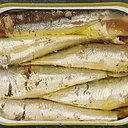 Sardines in oil, drained · 90 g
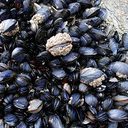 Mussels · 150 g
Herring · 125 g
Salmon · 125 g
 Trout · 125 g
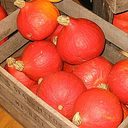 Hokkaido pumpkin · 150 g
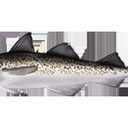 Alaska pollock · 150 g
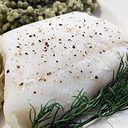 Cod
Example day from a eyes & vision plan
Generated automatically for the reference adult. Your plan adapts portions, diet type and allergies.
Eggs, boiled 180 g (3 eggs) · Wholemeal bread 110 g · Spinach 50 g · 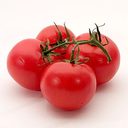 Tomatoes 100 g · Olive oil 10 gTuna, canned, drained 140 g · Kidney beans, canned, drained 190 g · Red sweet pepper 60 g · Onion 30 g · Romaine lettuce 60 g · Olive oil 20 gMackerel 170 g · Buckwheat groats (dry) 100 g · Carrots 100 g · Leek 60 g · Rapeseed (canola) oil 10 gMango 230 g · Cashew nuts 30 g
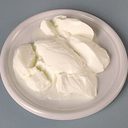 Natural yogurt, 1.5% fat 290 g ·
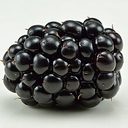 Blackberries 150 g
Sources
- Commission Regulation (EU) No 432/2012 — list of permitted health claims (consolidated) — European Union (EUR-Lex)
- Vitamin A — fact sheet for health professionals — NIH Office of Dietary Supplements
- How the eyes work — NIH National Eye Institute
- Ultraviolet radiation — fact sheet — World Health Organization
- Age-related macular degeneration (AMD) — NIH National Eye Institute
- Glaucoma — NIH National Eye Institute
- Bundeslebensmittelschlüssel (BLS) 4.0 — German Nutrient Database — Max Rubner-Institut
- FoodData Central — USDA Agricultural Research Service