💪 Best foods for building and maintaining muscle
What to do — the quick answer
Tap any line for the reason, the evidence level and the source. The full step-by-step explanation follows below.
🥗 Eat more of
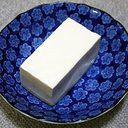 TofuBuilding blocks for muscle · Helps muscles contractHow it helps you build muscle
Building blocks for muscle: Muscle is built from the amino acids in the protein you eat. Protein is authorised to contribute to growth and maintenance of muscle mass, and it adds most alongside resistance training. PubMed studyEUR-Lex
Helps muscles contract: Calcium, magnesium and potassium are authorised to contribute to normal muscle function, and vitamin D to maintaining it. EUR-Lex
One portion (150 g): 23.3 g Protein
The evidenceEU claim Muscle growth · 23.3 g per portion Step 2“Protein contributes to a growth in muscle mass.” EUR-LexEU CommissionEU claim Keeps muscle · 23.3 g per portion Step 2“Protein contributes to the maintenance of muscle mass.” EUR-LexEU CommissionEU claim Protein building · 117 mg per portion Step 2“Magnesium contributes to normal protein synthesis.” EUR-LexEU CommissionEU claim Muscle function · 117 mg per portion Step 3All nutrients & evidence for tofu →“Magnesium contributes to normal muscle function.” EUR-LexEU Commission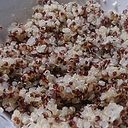 Quinoa, boiledBuilding blocks for muscle · Helps muscles contractHow it helps you build muscle
Building blocks for muscle: Muscle is built from the amino acids in the protein you eat. Protein is authorised to contribute to growth and maintenance of muscle mass, and it adds most alongside resistance training. PubMed studyEUR-Lex
Helps muscles contract: Calcium, magnesium and potassium are authorised to contribute to normal muscle function, and vitamin D to maintaining it. EUR-Lex
One portion (150 g): 5.2 g Protein
The evidenceEU claim Protein building · 87.3 mg per portion Step 2“Magnesium contributes to normal protein synthesis.” EUR-LexEU CommissionEU claim Muscle function · 87.3 mg per portion Step 3All nutrients & evidence for quinoa, boiled →“Magnesium contributes to normal muscle function.” EUR-LexEU Commission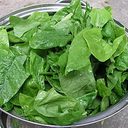 SpinachBuilding blocks for muscle · Helps muscles contractHow it helps you build muscle
Building blocks for muscle: Muscle is built from the amino acids in the protein you eat. Protein is authorised to contribute to growth and maintenance of muscle mass, and it adds most alongside resistance training. PubMed studyEUR-Lex
Helps muscles contract: Calcium, magnesium and potassium are authorised to contribute to normal muscle function, and vitamin D to maintaining it. EUR-Lex
One portion (100 g): 2.1 g Protein
The evidenceEU claim Protein building · 68 mg per portion Step 2“Magnesium contributes to normal protein synthesis.” EUR-LexEU CommissionEU claim Muscle function · 68 mg per portion Step 3All nutrients & evidence for spinach →“Magnesium contributes to normal muscle function.” EUR-LexEU Commission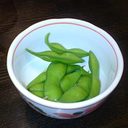 Edamame (immature soya beans)Building blocks for muscle · Helps muscles contractHow it helps you build muscle
Building blocks for muscle: Muscle is built from the amino acids in the protein you eat. Protein is authorised to contribute to growth and maintenance of muscle mass, and it adds most alongside resistance training. PubMed studyEUR-Lex
Helps muscles contract: Calcium, magnesium and potassium are authorised to contribute to normal muscle function, and vitamin D to maintaining it. EUR-Lex
One portion (100 g): 13 g Protein
The evidenceEU claim Protein building · 65 mg per portion Step 2“Magnesium contributes to normal protein synthesis.” EUR-LexEU CommissionEU claim Muscle function · 65 mg per portion Step 3All nutrients & evidence for edamame (immature soya beans) →“Magnesium contributes to normal muscle function.” EUR-LexEU Commission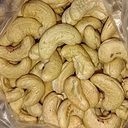 Cashew nutsBuilding blocks for muscle · Helps muscles contractHow it helps you build muscle
Building blocks for muscle: Muscle is built from the amino acids in the protein you eat. Protein is authorised to contribute to growth and maintenance of muscle mass, and it adds most alongside resistance training. PubMed studyEUR-Lex
Helps muscles contract: Calcium, magnesium and potassium are authorised to contribute to normal muscle function, and vitamin D to maintaining it. EUR-Lex
One portion (25 g): 5.3 g Protein
The evidenceEU claim Protein building · 64.5 mg per portion Step 2“Magnesium contributes to normal protein synthesis.” EUR-LexEU CommissionEU claim Muscle function · 64.5 mg per portion Step 3All nutrients & evidence for cashew nuts →“Magnesium contributes to normal muscle function.” EUR-LexEU Commission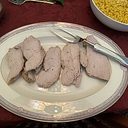 Turkey breast, skinlessBuilding blocks for muscleHow it helps you build muscle
Muscle is built from the amino acids in the protein you eat. Protein is authorised to contribute to growth and maintenance of muscle mass, and it adds most alongside resistance training. PubMed studyEUR-Lex
One portion (150 g): 36.1 g Protein
The evidenceEU claim Muscle growth · 36.1 g per portion Step 2“Protein contributes to a growth in muscle mass.” EUR-LexEU CommissionEU claim Keeps muscle · 36.1 g per portion Step 2All nutrients & evidence for turkey breast, skinless →“Protein contributes to the maintenance of muscle mass.” EUR-LexEU Commission TroutBuilding blocks for muscleHow it helps you build muscle
Muscle is built from the amino acids in the protein you eat. Protein is authorised to contribute to growth and maintenance of muscle mass, and it adds most alongside resistance training. PubMed studyEUR-Lex
One portion (125 g): 26.9 g Protein
The evidenceEU claim Muscle growth · 26.9 g per portion Step 2“Protein contributes to a growth in muscle mass.” EUR-LexEU CommissionEU claim Keeps muscle · 26.9 g per portion Step 2All nutrients & evidence for trout →“Protein contributes to the maintenance of muscle mass.” EUR-LexEU Commission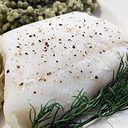 CodBuilding blocks for muscleHow it helps you build muscle
Muscle is built from the amino acids in the protein you eat. Protein is authorised to contribute to growth and maintenance of muscle mass, and it adds most alongside resistance training. PubMed studyEUR-Lex
One portion (150 g): 26.7 g Protein
The evidenceEU claim Muscle growth · 26.7 g per portion Step 2“Protein contributes to a growth in muscle mass.” EUR-LexEU CommissionEU claim Keeps muscle · 26.7 g per portion Step 2All nutrients & evidence for cod →“Protein contributes to the maintenance of muscle mass.” EUR-LexEU Commission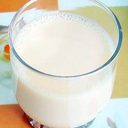 Soya drink, fortifiedHelps muscles contractHow it helps you build muscle
Calcium, magnesium and potassium are authorised to contribute to normal muscle function, and vitamin D to maintaining it. EUR-Lex
The evidenceEU claim Muscle contraction · 300 mg per portion Step 3“Calcium contributes to normal muscle function.” EUR-LexEU CommissionEU claim Muscle function · 1.9 µg per portion Step 3All nutrients & evidence for soya drink, fortified →“Vitamin D contributes to the maintenance of normal muscle function.” EUR-LexEU Commission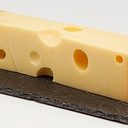 Emmental cheeseHelps muscles contractHow it helps you build muscle
Calcium, magnesium and potassium are authorised to contribute to normal muscle function, and vitamin D to maintaining it. EUR-Lex
The evidenceEU claim Muscle contraction · 348 mg per portion Step 3All nutrients & evidence for emmental cheese →“Calcium contributes to normal muscle function.” EUR-LexEU Commission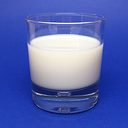 Milk, 1.5% fatHelps muscles contractHow it helps you build muscle
Calcium, magnesium and potassium are authorised to contribute to normal muscle function, and vitamin D to maintaining it. EUR-Lex
The evidenceEU claim Muscle contraction · 303 mg per portion Step 3All nutrients & evidence for milk, 1.5% fat →“Calcium contributes to normal muscle function.” EUR-LexEU Commission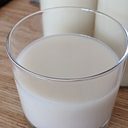 Oat drink, fortifiedHelps muscles contractHow it helps you build muscle
Calcium, magnesium and potassium are authorised to contribute to normal muscle function, and vitamin D to maintaining it. EUR-Lex
The evidenceEU claim Muscle contraction · 300 mg per portion Step 3All nutrients & evidence for oat drink, fortified →“Calcium contributes to normal muscle function.” EUR-LexEU Commission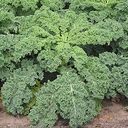 KaleHelps muscles contractHow it helps you build muscle
Calcium, magnesium and potassium are authorised to contribute to normal muscle function, and vitamin D to maintaining it. EUR-Lex
The evidenceEU claim Muscle contraction · 286 mg per portion Step 3All nutrients & evidence for kale →“Calcium contributes to normal muscle function.” EUR-LexEU Commission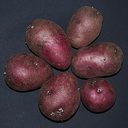 Potato, unpeeledHelps muscles contractHow it helps you build muscle
Calcium, magnesium and potassium are authorised to contribute to normal muscle function, and vitamin D to maintaining it. EUR-Lex
The evidenceEU claim Muscle function · 926 mg per portion Step 3All nutrients & evidence for potato, unpeeled →“Potassium contributes to normal muscle function.” EUR-LexEU Commission
🏃 Do
Protein at every mealTrials
This plan targets 1.2 g/kg a day (within the range EFSA considers safe), spread across meals; gains levelled off above about 1.6 g/kg in trials. PubMed studyEFSAMove before protein mealsReview
Physical activity before eating protein helps older muscle use it to build muscle. PubMed study
Evidence: EU claim EU-authorised claim · Official Official guidance · Trials Clinical trials · Study Population study · Review Scientific review
Turn this into my daily build & keep muscle plan → How it works, step by step ↓
How muscle is built and kept
Training gives muscle the signal to grow; food supplies the building blocks. Neither works well without the other. PubMed study
- 1Resistance training sends the signal
- 2Protein supplies the building blocks
- 3Minerals let muscles contract
- 4With age, muscle responds less
-
Resistance training sends the signal
Root cause: Without regular resistance training there is no signal to grow.
🏃 Do
Strength training 2×/weekOfficial
Do muscle-strengthening activities on 2 or more days a week that work all major muscle groups: legs, hips, back, abdomen, chest, shoulders and arms. CDC
How this step works · what slows it down · sources
Lifting weights or other resistance training is what drives gains in muscle size and strength. In a meta-analysis of 49 trials, extra protein increased those gains only alongside prolonged resistance training. PubMed studyWHO
The advice for this step comes from official health agencies and published research — the badge on each line shows which.
-
Protein supplies the building blocks
Root cause: Too little protein — or protein without training.
🥗 Eat
- TofuBuilding blocks for muscleHow it helps you build muscle
Muscle is built from the amino acids in the protein you eat. Protein is authorised to contribute to growth and maintenance of muscle mass, and it adds most alongside resistance training. PubMed studyEUR-Lex
One portion (150 g): 23.3 g Protein
The evidenceEU claim Muscle growth · 23.3 g per portion“Protein contributes to a growth in muscle mass.” EUR-LexEU CommissionEU claim Keeps muscle · 23.3 g per portion“Protein contributes to the maintenance of muscle mass.” EUR-LexEU CommissionEU claim Protein building · 117 mg per portionAll nutrients & evidence for tofu →“Magnesium contributes to normal protein synthesis.” EUR-LexEU Commission - Turkey breast, skinlessBuilding blocks for muscleHow it helps you build muscle
Muscle is built from the amino acids in the protein you eat. Protein is authorised to contribute to growth and maintenance of muscle mass, and it adds most alongside resistance training. PubMed studyEUR-Lex
One portion (150 g): 36.1 g Protein
The evidenceEU claim Muscle growth · 36.1 g per portion“Protein contributes to a growth in muscle mass.” EUR-LexEU CommissionEU claim Keeps muscle · 36.1 g per portionAll nutrients & evidence for turkey breast, skinless →“Protein contributes to the maintenance of muscle mass.” EUR-LexEU Commission - TroutBuilding blocks for muscleHow it helps you build muscle
Muscle is built from the amino acids in the protein you eat. Protein is authorised to contribute to growth and maintenance of muscle mass, and it adds most alongside resistance training. PubMed studyEUR-Lex
One portion (125 g): 26.9 g Protein
The evidenceEU claim Muscle growth · 26.9 g per portion“Protein contributes to a growth in muscle mass.” EUR-LexEU CommissionEU claim Keeps muscle · 26.9 g per portionAll nutrients & evidence for trout →“Protein contributes to the maintenance of muscle mass.” EUR-LexEU Commission - CodBuilding blocks for muscleHow it helps you build muscle
Muscle is built from the amino acids in the protein you eat. Protein is authorised to contribute to growth and maintenance of muscle mass, and it adds most alongside resistance training. PubMed studyEUR-Lex
One portion (150 g): 26.7 g Protein
The evidenceEU claim Muscle growth · 26.7 g per portion“Protein contributes to a growth in muscle mass.” EUR-LexEU CommissionEU claim Keeps muscle · 26.7 g per portionAll nutrients & evidence for cod →“Protein contributes to the maintenance of muscle mass.” EUR-LexEU Commission - Quinoa, boiledBuilding blocks for muscleHow it helps you build muscle
Muscle is built from the amino acids in the protein you eat. Protein is authorised to contribute to growth and maintenance of muscle mass, and it adds most alongside resistance training. PubMed studyEUR-Lex
One portion (150 g): 5.2 g Protein
The evidenceEU claim Protein building · 87.3 mg per portionAll nutrients & evidence for quinoa, boiled →“Magnesium contributes to normal protein synthesis.” EUR-LexEU Commission - SpinachBuilding blocks for muscleHow it helps you build muscle
Muscle is built from the amino acids in the protein you eat. Protein is authorised to contribute to growth and maintenance of muscle mass, and it adds most alongside resistance training. PubMed studyEUR-Lex
One portion (100 g): 2.1 g Protein
The evidenceEU claim Protein building · 68 mg per portionAll nutrients & evidence for spinach →“Magnesium contributes to normal protein synthesis.” EUR-LexEU Commission - Edamame (immature soya beans)Building blocks for muscleHow it helps you build muscle
Muscle is built from the amino acids in the protein you eat. Protein is authorised to contribute to growth and maintenance of muscle mass, and it adds most alongside resistance training. PubMed studyEUR-Lex
One portion (100 g): 13 g Protein
The evidenceEU claim Protein building · 65 mg per portionAll nutrients & evidence for edamame (immature soya beans) →“Magnesium contributes to normal protein synthesis.” EUR-LexEU Commission - Cashew nutsBuilding blocks for muscleHow it helps you build muscle
Muscle is built from the amino acids in the protein you eat. Protein is authorised to contribute to growth and maintenance of muscle mass, and it adds most alongside resistance training. PubMed studyEUR-Lex
One portion (25 g): 5.3 g Protein
The evidenceEU claim Protein building · 64.5 mg per portionAll nutrients & evidence for cashew nuts →“Magnesium contributes to normal protein synthesis.” EUR-LexEU Commission
🏃 Do
Protein at every mealTrials
This plan targets 1.2 g/kg a day (within the range EFSA considers safe), spread across meals; gains levelled off above about 1.6 g/kg in trials. PubMed studyEFSA
How this step works · what slows it down · sources
Muscle protein is built from amino acids that come from dietary protein. In the meta-analysis, total protein intakes above about 1.6 g per kg body weight a day added no further gain in lean mass. PubMed studyEFSA
🔻 What can slow this down
- EFSA's reference intake for adults is 0.83 g per kg a day; intakes up to about twice that are considered safe. EFSA
“EU claim” items use the exact wording of Reg. (EU) No 432/2012 EUR-Lex; listed foods meet the legal condition of use (amounts per normal portion, BLS 4.0 / USDA).
-
Minerals let muscles contract
Root cause: Low calcium, magnesium, potassium or vitamin D.
🥗 Eat
- Soya drink, fortifiedHelps muscles contractHow it helps you build muscle
Calcium, magnesium and potassium are authorised to contribute to normal muscle function, and vitamin D to maintaining it. EUR-Lex
The evidenceEU claim Muscle contraction · 300 mg per portion“Calcium contributes to normal muscle function.” EUR-LexEU CommissionEU claim Muscle function · 1.9 µg per portionAll nutrients & evidence for soya drink, fortified →“Vitamin D contributes to the maintenance of normal muscle function.” EUR-LexEU Commission - Emmental cheeseHelps muscles contractHow it helps you build muscle
Calcium, magnesium and potassium are authorised to contribute to normal muscle function, and vitamin D to maintaining it. EUR-Lex
The evidenceEU claim Muscle contraction · 348 mg per portionAll nutrients & evidence for emmental cheese →“Calcium contributes to normal muscle function.” EUR-LexEU Commission - Milk, 1.5% fatHelps muscles contractHow it helps you build muscle
Calcium, magnesium and potassium are authorised to contribute to normal muscle function, and vitamin D to maintaining it. EUR-Lex
The evidenceEU claim Muscle contraction · 303 mg per portionAll nutrients & evidence for milk, 1.5% fat →“Calcium contributes to normal muscle function.” EUR-LexEU Commission - Oat drink, fortifiedHelps muscles contractHow it helps you build muscle
Calcium, magnesium and potassium are authorised to contribute to normal muscle function, and vitamin D to maintaining it. EUR-Lex
The evidenceEU claim Muscle contraction · 300 mg per portionAll nutrients & evidence for oat drink, fortified →“Calcium contributes to normal muscle function.” EUR-LexEU Commission - KaleHelps muscles contractHow it helps you build muscle
Calcium, magnesium and potassium are authorised to contribute to normal muscle function, and vitamin D to maintaining it. EUR-Lex
The evidenceEU claim Muscle contraction · 286 mg per portionAll nutrients & evidence for kale →“Calcium contributes to normal muscle function.” EUR-LexEU Commission - TofuHelps muscles contractHow it helps you build muscle
Calcium, magnesium and potassium are authorised to contribute to normal muscle function, and vitamin D to maintaining it. EUR-Lex
The evidenceEU claim Muscle function · 117 mg per portionAll nutrients & evidence for tofu →“Magnesium contributes to normal muscle function.” EUR-LexEU Commission - Quinoa, boiledHelps muscles contractHow it helps you build muscle
Calcium, magnesium and potassium are authorised to contribute to normal muscle function, and vitamin D to maintaining it. EUR-Lex
The evidenceEU claim Muscle function · 87.3 mg per portionAll nutrients & evidence for quinoa, boiled →“Magnesium contributes to normal muscle function.” EUR-LexEU Commission - SpinachHelps muscles contractHow it helps you build muscle
Calcium, magnesium and potassium are authorised to contribute to normal muscle function, and vitamin D to maintaining it. EUR-Lex
The evidenceEU claim Muscle function · 68 mg per portionAll nutrients & evidence for spinach →“Magnesium contributes to normal muscle function.” EUR-LexEU Commission
How this step works · what slows it down · sources
Calcium, magnesium and potassium are authorised to contribute to normal muscle function, and vitamin D to the maintenance of normal muscle function. EUR-Lex
“EU claim” items use the exact wording of Reg. (EU) No 432/2012 EUR-Lex; listed foods meet the legal condition of use (amounts per normal portion, BLS 4.0 / USDA).
-
With age, muscle responds less
Root cause: "Anabolic resistance": older muscle uses protein less well, especially when inactive.
🏃 Do
Move before protein mealsReview
Physical activity before eating protein helps older muscle use it to build muscle. PubMed study
How this step works · what slows it down · sources
Older muscle often responds less to protein. Being physically active before eating protein helps ageing muscle use it, and staying active may be key to keeping that response. PubMed study
🔻 What can slow this down
- In the meta-analysis, the extra gain from protein got smaller with age. PubMed study
The advice for this step comes from official health agencies and published research — the badge on each line shows which.
Authorised claims say a nutrient contributes to a normal body function. They do not mean that eating more than you need improves that function, or that a food treats any condition. Population studies show associations, not proof of cause.
Meal options built from this flow
Pick any option per meal. Ranked by how well one portion covers this goal's targets and how many steps above its foods support (reference adult, everything diet). The planner adapts portions, diet type and allergies.
Breakfast — pick one of 3
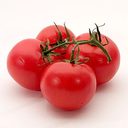 TomatoesTofu 150 g ·
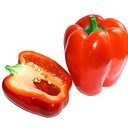 Red sweet pepper 80 g ·
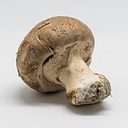 Button mushrooms 80 g · Spinach 40 g ·
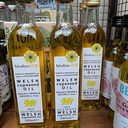 Rapeseed (canola) oil 5 g ·
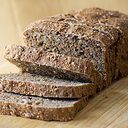 Wholemeal bread 50 g
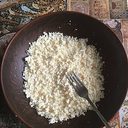 Cottage cheese
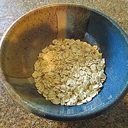 Oat flakes (rolled oats)
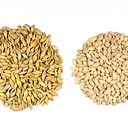 Wheat germ
Lunch — pick one of 3
Tofu 120 g · Edamame (immature soya beans) 80 g · 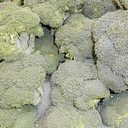 Broccoli 80 g · Red sweet pepper 60 g ·
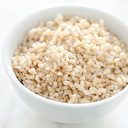 Brown rice, boiled 150 g · Rapeseed (canola) oil 5 g
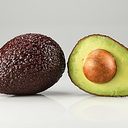 Avocado
Dinner — pick one of 3
 Eggs, boiled 180 g (3 eggs) ·
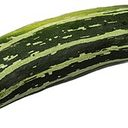 Courgette (zucchini) 100 g · Red sweet pepper 60 g · Emmental cheese 20 g ·
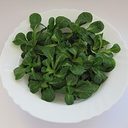 Lamb's lettuce 40 g · Wholemeal bread 40 g ·
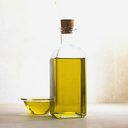 Olive oil 5 gTofu 150 g ·
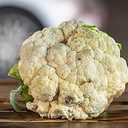 Cauliflower 120 g · Spinach 50 g ·
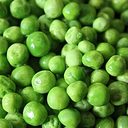 Green peas, frozen 60 g · Brown rice, boiled 150 g · Rapeseed (canola) oil 5 g
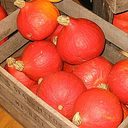 Hokkaido pumpkin 150 g · Tofu 120 g · Quinoa, boiled 120 g ·
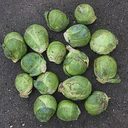 Brussels sprouts 80 g · Rapeseed (canola) oil 5 g ·
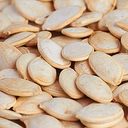 Pumpkin seeds 10 g
Snack — pick one of 3
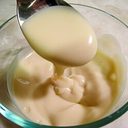 Soya yogurt alternative, fortified
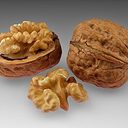 Walnuts
 Raspberries
 Skyr 150 g ·
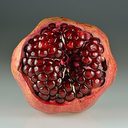 Pomegranate 80 g
In short
Protein is authorised in the EU to contribute to a growth in muscle mass and to its maintenance. Calcium, magnesium, potassium and vitamin D contribute to normal muscle function. Resistance exercise is what drives muscle growth; the diet supplies the building blocks.
What official sources say
Key nutrients & daily targets
Shown for a reference adult (40-year-old man, 75 kg, ~2600 kcal). Your plan recalculates these for your age, sex and weight.
| Nutrient | Daily target | Basis |
|---|---|---|
| Protein | 90 g | App target 1.2 g/kg — above the EFSA Population Reference Intake (0.83 g/kg) and within the range EFSA considers safe (up to about twice the PRI). EFSA |
| Vitamin D | 15 µg | NIH ODS Recommended Dietary Allowance / Adequate Intake for your age and sex NIH ODS |
| Magnesium | 420 mg | NIH ODS Recommended Dietary Allowance / Adequate Intake for your age and sex NIH ODS |
| Potassium | 3400 mg | NIH ODS Recommended Dietary Allowance / Adequate Intake for your age and sex NIH ODS |
| Calcium | 1000 mg | NIH ODS Recommended Dietary Allowance / Adequate Intake for your age and sex NIH ODS |
All authorised EU health claims for this goal (7)
Exact wording from Regulation (EU) No 432/2012. A food may only carry a claim if it meets the legal condition of use — on each food page we show the numbers that meet (or miss) it.
Protein contributes to a growth in muscle mass.EUR-LexEU Commission
Protein contributes to the maintenance of muscle mass.EUR-LexEU Commission
Magnesium contributes to normal muscle function.EUR-LexEU CommissionNIH ODS
Magnesium contributes to normal protein synthesis.EUR-LexEU CommissionNIH ODS
Potassium contributes to normal muscle function.EUR-LexEU CommissionNIH ODS
Calcium contributes to normal muscle function.EUR-LexEU CommissionNIH ODS
Vitamin D contributes to the maintenance of normal muscle function.EUR-LexEU CommissionNIH ODS
Foods ranked by nutrient content (14)
Ranked by how much of the daily target one normal portion provides (nutrient values: BLS 4.0 / USDA FDC), plus authorised claims the food qualifies for.
 Herring · 125 g
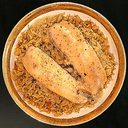
Trout · 125 g
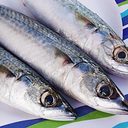 Mackerel · 125 g
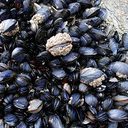 Mussels · 150 g
Turkey breast, skinless · 150 g
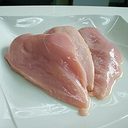 Chicken breast, skinless · 150 g
Tofu · 150 g
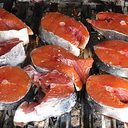 Salmon · 125 g
Cod · 150 g
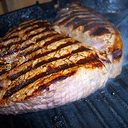 Beef rump (lean red meat) · 125 g
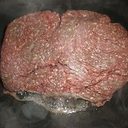 Beef mince, lean · 125 g
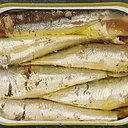 Sardines in oil, drained · 90 g
Edamame (immature soya beans) · 100 g
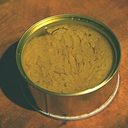 Tuna, canned, drained · 100 g
Example day from a build & keep muscle plan
Generated automatically for the reference adult. Your plan adapts portions, diet type and allergies.
Tofu 250 g · Red sweet pepper 80 g · Button mushrooms 80 g · Spinach 40 g · Rapeseed (canola) oil 10 g · Wholemeal bread 80 gMackerel 160 g · 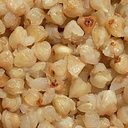 Buckwheat groats (dry) 80 g ·
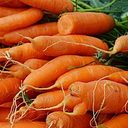 Carrots 100 g ·
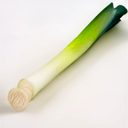 Leek 60 g · Rapeseed (canola) oil 10 g
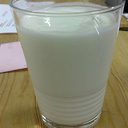 Kefir, low-fat 330 g ·
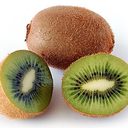 Kiwi fruit 120 g
⚕️ Safety tips
- Protein builds muscle together with strength training; eating more than you need does not add muscle on its own. EFSA
Sources
- Scientific Opinion on Dietary Reference Values for protein (2012) — European Food Safety Authority
- Commission Regulation (EU) No 432/2012 — list of permitted health claims (consolidated) — European Union (EUR-Lex)
- Physical activity — fact sheet — World Health Organization
- Meta-analysis: protein supplementation and resistance-training gains in muscle mass and strength (49 trials, 1,863 adults) — Morton RW et al. Br J Sports Med 2018 (PubMed 28698222)
- Physical activity guidelines for adults — US Centers for Disease Control and Prevention
- Anabolic resistance of muscle protein synthesis with aging — Burd NA, Gorissen SH, van Loon LJ. Exerc Sport Sci Rev 2013 (PubMed 23558692)
- Bundeslebensmittelschlüssel (BLS) 4.0 — German Nutrient Database — Max Rubner-Institut
- FoodData Central — USDA Agricultural Research Service