🛡️ Best foods for a normal immune system
What to do — the quick answer
Tap any line for the reason, the evidence level and the source. The full step-by-step explanation follows below.
🥗 Eat more of
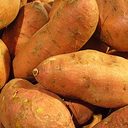 Sweet potatoKeeps germ barriers intact · Supports immune cellsHow it helps your immune system
Keeps germ barriers intact: Skin and mucous membranes keep germs out. Vitamin A is authorised to contribute to the maintenance of normal mucous membranes. NIH MedlinePlusEUR-Lex
Supports immune cells: White blood cells fight germs. These vitamins and minerals are authorised to contribute to the normal function of the immune system. NIH MedlinePlusEUR-Lex
One portion (200 g): 1316 µg Vitamin A · 60 mg Vitamin C · 0.46 mg Zinc
The evidenceEU claim Mucous membranes · 1316 µg per portion Step 1“Vitamin A contributes to the maintenance of normal mucous membranes.” EUR-LexEU CommissionEU claim Immune function · 60 mg per portion Step 2All nutrients & evidence for sweet potato →“Vitamin C contributes to the normal function of the immune system.” EUR-LexEU Commission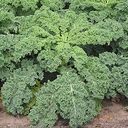 KaleKeeps germ barriers intact · Supports immune cellsHow it helps your immune system
Keeps germ barriers intact: Skin and mucous membranes keep germs out. Vitamin A is authorised to contribute to the maintenance of normal mucous membranes. NIH MedlinePlusEUR-Lex
Supports immune cells: White blood cells fight germs. These vitamins and minerals are authorised to contribute to the normal function of the immune system. NIH MedlinePlusEUR-Lex
One portion (100 g): 479 µg Vitamin A · 156 mg Vitamin C · 0.92 mg Zinc
The evidenceEU claim Mucous membranes · 479 µg per portion Step 1“Vitamin A contributes to the maintenance of normal mucous membranes.” EUR-LexEU CommissionEU claim Immune function · 156 mg per portion Step 2All nutrients & evidence for kale →“Vitamin C contributes to the normal function of the immune system.” EUR-LexEU Commission Eggs, boiledKeeps germ barriers intact · Supports immune cellsHow it helps your immune system
Keeps germ barriers intact: Skin and mucous membranes keep germs out. Vitamin A is authorised to contribute to the maintenance of normal mucous membranes. NIH MedlinePlusEUR-Lex
Supports immune cells: White blood cells fight germs. These vitamins and minerals are authorised to contribute to the normal function of the immune system. NIH MedlinePlusEUR-Lex
One portion (120 g): 305 µg Vitamin A · 1.6 mg Zinc
The evidenceEU claim Mucous membranes · 305 µg per portion Step 1“Vitamin A contributes to the maintenance of normal mucous membranes.” EUR-LexEU CommissionEU claim Immune function · 2.8 µg per portion Step 2All nutrients & evidence for eggs, boiled →“Vitamin D contributes to the normal function of the immune system.” EUR-LexEU Commission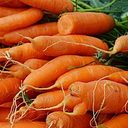 CarrotsKeeps germ barriers intactHow it helps your immune system
Skin and mucous membranes keep germs out. Vitamin A is authorised to contribute to the maintenance of normal mucous membranes. NIH MedlinePlusEUR-Lex
One portion (100 g): 945 µg Vitamin A
The evidenceEU claim Mucous membranes · 945 µg per portion Step 1All nutrients & evidence for carrots →“Vitamin A contributes to the maintenance of normal mucous membranes.” EUR-LexEU Commission ApricotsKeeps germ barriers intactHow it helps your immune system
Skin and mucous membranes keep germs out. Vitamin A is authorised to contribute to the maintenance of normal mucous membranes. NIH MedlinePlusEUR-Lex
One portion (100 g): 141 µg Vitamin A
The evidenceEU claim Mucous membranes · 141 µg per portion Step 1All nutrients & evidence for apricots →“Vitamin A contributes to the maintenance of normal mucous membranes.” EUR-LexEU Commission Red sweet pepperSupports immune cellsHow it helps your immune system
White blood cells fight germs. These vitamins and minerals are authorised to contribute to the normal function of the immune system. NIH MedlinePlusEUR-Lex
One portion (100 g): 160 mg Vitamin C · 0.19 mg Zinc
The evidenceEU claim Immune function · 160 mg per portion Step 2All nutrients & evidence for red sweet pepper →“Vitamin C contributes to the normal function of the immune system.” EUR-LexEU Commission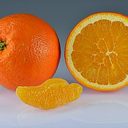 OrangeSupports immune cellsHow it helps your immune system
White blood cells fight germs. These vitamins and minerals are authorised to contribute to the normal function of the immune system. NIH MedlinePlusEUR-Lex
One portion (150 g): 93.5 mg Vitamin C · 0.12 mg Zinc
The evidenceEU claim Immune function · 93.5 mg per portion Step 2All nutrients & evidence for orange →“Vitamin C contributes to the normal function of the immune system.” EUR-LexEU Commission StrawberriesSupports immune cellsHow it helps your immune system
White blood cells fight germs. These vitamins and minerals are authorised to contribute to the normal function of the immune system. NIH MedlinePlusEUR-Lex
One portion (150 g): 85.3 mg Vitamin C · 0.17 mg Zinc
The evidenceEU claim Immune function · 85.3 mg per portion Step 2All nutrients & evidence for strawberries →“Vitamin C contributes to the normal function of the immune system.” EUR-LexEU Commission HerringSupports immune cellsHow it helps your immune system
White blood cells fight germs. These vitamins and minerals are authorised to contribute to the normal function of the immune system. NIH MedlinePlusEUR-Lex
One portion (125 g): 1.3 mg Vitamin C · 0.96 mg Zinc
The evidenceEU claim Immune function · 20 µg per portion Step 2All nutrients & evidence for herring →“Vitamin D contributes to the normal function of the immune system.” EUR-LexEU Commission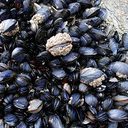 MusselsSupports immune cellsHow it helps your immune system
White blood cells fight germs. These vitamins and minerals are authorised to contribute to the normal function of the immune system. NIH MedlinePlusEUR-Lex
One portion (150 g): 4.8 mg Vitamin C · 2.5 mg Zinc
The evidenceEU claim Immune function · 12 µg per portion Step 2All nutrients & evidence for mussels →“Vitamin D contributes to the normal function of the immune system.” EUR-LexEU Commission Soya drink, fortifiedSupports immune cellsHow it helps your immune system
White blood cells fight germs. These vitamins and minerals are authorised to contribute to the normal function of the immune system. NIH MedlinePlusEUR-Lex
One portion (250 g): 0.71 mg Zinc
The evidenceEU claim Immune function · 1.9 µg per portion Step 2All nutrients & evidence for soya drink, fortified →“Vitamin D contributes to the normal function of the immune system.” EUR-LexEU Commission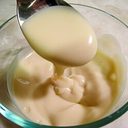 Soya yogurt alternative, fortifiedSupports immune cellsHow it helps your immune system
White blood cells fight germs. These vitamins and minerals are authorised to contribute to the normal function of the immune system. NIH MedlinePlusEUR-Lex
One portion (150 g): 0.39 mg Zinc
The evidenceEU claim Immune function · 1.1 µg per portion Step 2All nutrients & evidence for soya yogurt alternative, fortified →“Vitamin D contributes to the normal function of the immune system.” EUR-LexEU Commission Beef mince, leanSupports immune cellsHow it helps your immune system
White blood cells fight germs. These vitamins and minerals are authorised to contribute to the normal function of the immune system. NIH MedlinePlusEUR-Lex
One portion (125 g): 5.4 mg Zinc
The evidenceEU claim Immune function · 5.4 mg per portion Step 2All nutrients & evidence for beef mince, lean →“Zinc contributes to the normal function of the immune system.” EUR-LexEU Commission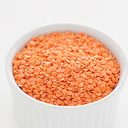 Red lentils (dry)Supports immune cellsHow it helps your immune system
White blood cells fight germs. These vitamins and minerals are authorised to contribute to the normal function of the immune system. NIH MedlinePlusEUR-Lex
One portion (60 g): 1 mg Vitamin C · 2.2 mg Zinc
The evidenceEU claim Immune function · 2.2 mg per portion Step 2All nutrients & evidence for red lentils (dry) →“Zinc contributes to the normal function of the immune system.” EUR-LexEU Commission
🏃 Do
Stay up to date on vaccinesOfficial
Vaccination builds active immunity against specific infections. NIH MedlinePlus
Evidence: EU claim EU-authorised claim · Official Official guidance · Trials Clinical trials · Study Population study · Review Scientific review
Turn this into my daily immune system plan → How it works, step by step ↓
How your immune system defends you
Your immune system is a network of cells, tissues and organs that together help the body fight infections and other diseases. NIH MedlinePlus
-
Barriers keep germs out
Root cause: Skin and mucous membranes need to stay intact.
🥗 Eat
- Sweet potatoKeeps germ barriers intactHow it helps your immune system
Skin and mucous membranes keep germs out. Vitamin A is authorised to contribute to the maintenance of normal mucous membranes. NIH MedlinePlusEUR-Lex
One portion (200 g): 1316 µg Vitamin A
The evidenceEU claim Mucous membranes · 1316 µg per portionAll nutrients & evidence for sweet potato →“Vitamin A contributes to the maintenance of normal mucous membranes.” EUR-LexEU Commission - CarrotsKeeps germ barriers intactHow it helps your immune system
Skin and mucous membranes keep germs out. Vitamin A is authorised to contribute to the maintenance of normal mucous membranes. NIH MedlinePlusEUR-Lex
One portion (100 g): 945 µg Vitamin A
The evidenceEU claim Mucous membranes · 945 µg per portionAll nutrients & evidence for carrots →“Vitamin A contributes to the maintenance of normal mucous membranes.” EUR-LexEU Commission - KaleKeeps germ barriers intactHow it helps your immune system
Skin and mucous membranes keep germs out. Vitamin A is authorised to contribute to the maintenance of normal mucous membranes. NIH MedlinePlusEUR-Lex
One portion (100 g): 479 µg Vitamin A
The evidenceEU claim Mucous membranes · 479 µg per portionAll nutrients & evidence for kale →“Vitamin A contributes to the maintenance of normal mucous membranes.” EUR-LexEU Commission - Eggs, boiledKeeps germ barriers intactHow it helps your immune system
Skin and mucous membranes keep germs out. Vitamin A is authorised to contribute to the maintenance of normal mucous membranes. NIH MedlinePlusEUR-Lex
One portion (120 g): 305 µg Vitamin A
The evidenceEU claim Mucous membranes · 305 µg per portionAll nutrients & evidence for eggs, boiled →“Vitamin A contributes to the maintenance of normal mucous membranes.” EUR-LexEU Commission - ApricotsKeeps germ barriers intactHow it helps your immune system
Skin and mucous membranes keep germs out. Vitamin A is authorised to contribute to the maintenance of normal mucous membranes. NIH MedlinePlusEUR-Lex
One portion (100 g): 141 µg Vitamin A
The evidenceEU claim Mucous membranes · 141 µg per portionAll nutrients & evidence for apricots →“Vitamin A contributes to the maintenance of normal mucous membranes.” EUR-LexEU Commission
How this step works · what slows it down · sources
Skin and mucous membranes are physical barriers; mucous membranes also make mucus and other substances that trap and fight germs. NIH MedlinePlus
“EU claim” items use the exact wording of Reg. (EU) No 432/2012 EUR-Lex; listed foods meet the legal condition of use (amounts per normal portion, BLS 4.0 / USDA).
-
White blood cells fight germs
Root cause: Immune cells need a steady supply of several vitamins and minerals.
🥗 Eat
- Red sweet pepperSupports immune cellsHow it helps your immune system
White blood cells fight germs. These vitamins and minerals are authorised to contribute to the normal function of the immune system. NIH MedlinePlusEUR-Lex
One portion (100 g): 160 mg Vitamin C · 0.19 mg Zinc
The evidenceEU claim Immune function · 160 mg per portionAll nutrients & evidence for red sweet pepper →“Vitamin C contributes to the normal function of the immune system.” EUR-LexEU Commission - KaleSupports immune cellsHow it helps your immune system
White blood cells fight germs. These vitamins and minerals are authorised to contribute to the normal function of the immune system. NIH MedlinePlusEUR-Lex
One portion (100 g): 156 mg Vitamin C · 0.92 mg Zinc
The evidenceEU claim Immune function · 156 mg per portionAll nutrients & evidence for kale →“Vitamin C contributes to the normal function of the immune system.” EUR-LexEU Commission - OrangeSupports immune cellsHow it helps your immune system
White blood cells fight germs. These vitamins and minerals are authorised to contribute to the normal function of the immune system. NIH MedlinePlusEUR-Lex
One portion (150 g): 93.5 mg Vitamin C · 0.12 mg Zinc
The evidenceEU claim Immune function · 93.5 mg per portionAll nutrients & evidence for orange →“Vitamin C contributes to the normal function of the immune system.” EUR-LexEU Commission - StrawberriesSupports immune cellsHow it helps your immune system
White blood cells fight germs. These vitamins and minerals are authorised to contribute to the normal function of the immune system. NIH MedlinePlusEUR-Lex
One portion (150 g): 85.3 mg Vitamin C · 0.17 mg Zinc
The evidenceEU claim Immune function · 85.3 mg per portionAll nutrients & evidence for strawberries →“Vitamin C contributes to the normal function of the immune system.” EUR-LexEU Commission - Sweet potatoSupports immune cellsHow it helps your immune system
White blood cells fight germs. These vitamins and minerals are authorised to contribute to the normal function of the immune system. NIH MedlinePlusEUR-Lex
One portion (200 g): 60 mg Vitamin C · 0.46 mg Zinc
The evidenceEU claim Immune function · 60 mg per portionAll nutrients & evidence for sweet potato →“Vitamin C contributes to the normal function of the immune system.” EUR-LexEU Commission - HerringSupports immune cellsHow it helps your immune system
White blood cells fight germs. These vitamins and minerals are authorised to contribute to the normal function of the immune system. NIH MedlinePlusEUR-Lex
One portion (125 g): 1.3 mg Vitamin C · 0.96 mg Zinc
The evidenceEU claim Immune function · 20 µg per portionAll nutrients & evidence for herring →“Vitamin D contributes to the normal function of the immune system.” EUR-LexEU Commission - MusselsSupports immune cellsHow it helps your immune system
White blood cells fight germs. These vitamins and minerals are authorised to contribute to the normal function of the immune system. NIH MedlinePlusEUR-Lex
One portion (150 g): 4.8 mg Vitamin C · 2.5 mg Zinc
The evidenceEU claim Immune function · 12 µg per portionAll nutrients & evidence for mussels →“Vitamin D contributes to the normal function of the immune system.” EUR-LexEU Commission - Eggs, boiledSupports immune cellsHow it helps your immune system
White blood cells fight germs. These vitamins and minerals are authorised to contribute to the normal function of the immune system. NIH MedlinePlusEUR-Lex
One portion (120 g): 1.6 mg Zinc
The evidenceEU claim Immune function · 2.8 µg per portionAll nutrients & evidence for eggs, boiled →“Vitamin D contributes to the normal function of the immune system.” EUR-LexEU Commission
How this step works · what slows it down · sources
White blood cells fight germs. The thymus, spleen, tonsils, lymph nodes, lymph vessels and bone marrow produce, store and carry them. NIH MedlinePlus
“EU claim” items use the exact wording of Reg. (EU) No 432/2012 EUR-Lex; listed foods meet the legal condition of use (amounts per normal portion, BLS 4.0 / USDA).
-
Antibodies and memory
Root cause: The body remembers germs it has met — vaccines teach it safely.
🏃 Do
Stay up to date on vaccinesOfficial
Vaccination builds active immunity against specific infections. NIH MedlinePlus
How this step works · what slows it down · sources
The immune system makes antibodies — proteins that attack, weaken and destroy harmful substances — and remembers each threat so it can respond faster next time. NIH MedlinePlus
The advice for this step comes from official health agencies and published research — the badge on each line shows which.
Authorised claims say a nutrient contributes to a normal body function. They do not mean that eating more than you need improves that function, or that a food treats any condition. Population studies show associations, not proof of cause.
Meal options built from this flow
Pick any option per meal. Ranked by how well one portion covers this goal's targets and how many steps above its foods support (reference adult, everything diet). The planner adapts portions, diet type and allergies.
Breakfast — pick one of 3
 Tofu 150 g · Red sweet pepper 80 g ·
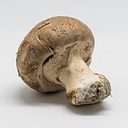 Button mushrooms 80 g ·
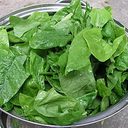 Spinach 40 g ·
 Rapeseed (canola) oil 5 g ·
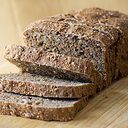 Wholemeal bread 50 g
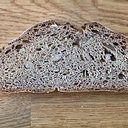 Wholemeal rye bread
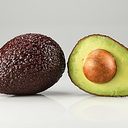 Avocado
Lunch — pick one of 3
 Quinoa, boiled
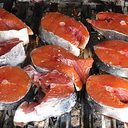 Salmon
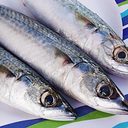 Mackerel 100 g ·
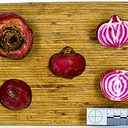 Beetroot 100 g ·
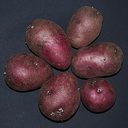 Potato, unpeeled 150 g ·
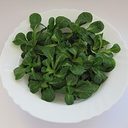 Lamb's lettuce 40 g ·
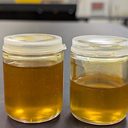 Linseed (flaxseed) oil 5 g
Dinner — pick one of 3
Eggs, boiled 180 g (3 eggs) ·  Courgette (zucchini) 100 g · Red sweet pepper 60 g ·
 Emmental cheese 20 g · Lamb's lettuce 40 g · Wholemeal bread 40 g ·
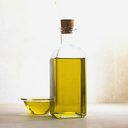 Olive oil 5 g
 Wholemeal pasta, boiled
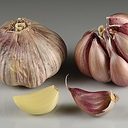 GarlicMackerel 125 g ·
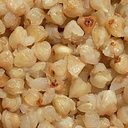 Buckwheat groats (dry) 50 g · Carrots 100 g ·
 Leek 60 g · Rapeseed (canola) oil 5 g
Snack — pick one of 3
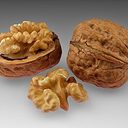 Walnuts
 Raspberries
 Hummus
 Cottage cheese 100 g ·
 Sweet cherries 100 g
In short
Vitamins A, B6, B12, C, D, folate, and the minerals zinc, selenium, iron and copper are each authorised to contribute to the normal function of the immune system.
What official sources say
Key nutrients & daily targets
Shown for a reference adult (40-year-old man, 75 kg, ~2600 kcal). Your plan recalculates these for your age, sex and weight.
| Nutrient | Daily target | Basis |
|---|---|---|
| Vitamin C | 90 mg | NIH ODS Recommended Dietary Allowance / Adequate Intake for your age and sex NIH ODS |
| Zinc | 11 mg | NIH ODS Recommended Dietary Allowance / Adequate Intake for your age and sex NIH ODS |
| Vitamin D | 15 µg | NIH ODS Recommended Dietary Allowance / Adequate Intake for your age and sex NIH ODS |
| Selenium | 55 µg | NIH ODS Recommended Dietary Allowance / Adequate Intake for your age and sex NIH ODS |
| Vitamin A | 900 µg | NIH ODS Recommended Dietary Allowance / Adequate Intake for your age and sex NIH ODS |
| Folate | 400 µg | NIH ODS Recommended Dietary Allowance / Adequate Intake for your age and sex NIH ODS |
| Iron | 8 mg | NIH ODS Recommended Dietary Allowance / Adequate Intake for your age and sex NIH ODS |
All authorised EU health claims for this goal (11)
Exact wording from Regulation (EU) No 432/2012. A food may only carry a claim if it meets the legal condition of use — on each food page we show the numbers that meet (or miss) it.
Folate contributes to the normal function of the immune system.EUR-LexEU CommissionNIH ODS
Iron contributes to the normal function of the immune system.EUR-LexEU CommissionNIH ODS
Zinc contributes to the normal function of the immune system.EUR-LexEU CommissionNIH ODS
Selenium contributes to the normal function of the immune system.EUR-LexEU CommissionNIH ODS
Copper contributes to the normal function of the immune system.EUR-LexEU CommissionNIH ODS
Vitamin B6 contributes to the normal function of the immune system.EUR-LexEU CommissionNIH ODS
Vitamin C contributes to the normal function of the immune system.EUR-LexEU CommissionNIH ODS
Vitamin A contributes to the maintenance of normal mucous membranes.EUR-LexEU CommissionNIH ODS
Vitamin A contributes to the normal function of the immune system.EUR-LexEU CommissionNIH ODS
Vitamin D contributes to the normal function of the immune system.EUR-LexEU CommissionNIH ODS
Vitamin B12 contributes to the normal function of the immune system.EUR-LexEU CommissionNIH ODS
Foods ranked by nutrient content (14)
Ranked by how much of the daily target one normal portion provides (nutrient values: BLS 4.0 / USDA FDC), plus authorised claims the food qualifies for.
Mussels · 150 g
Kale · 100 g
Herring · 125 g
Sweet potato · 200 g
Spinach · 100 g
Mackerel · 125 g
 Brussels sprouts · 120 g
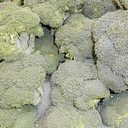 Broccoli · 150 g
Red sweet pepper · 100 g
Eggs, boiled · 120 g (2 eggs)
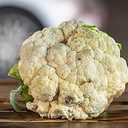 Cauliflower · 150 g
Strawberries · 150 g
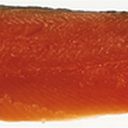 Trout · 125 g
Beef mince, lean · 125 g
Example day from a immune system plan
Generated automatically for the reference adult. Your plan adapts portions, diet type and allergies.
Eggs, boiled 180 g (3 eggs) · Wholemeal bread 110 g · Spinach 50 g · 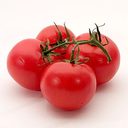 Tomatoes 100 g · Olive oil 10 gMackerel 130 g · Beetroot 100 g · Potato, unpeeled 270 g · Lamb's lettuce 40 g · Linseed (flaxseed) oil 10 g
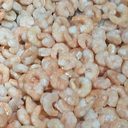 Shrimp 160 g · Buckwheat groats (dry) 90 g · Red sweet pepper 80 g · Broccoli 80 g · Carrots 60 g · Rapeseed (canola) oil 10 g
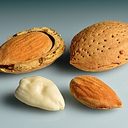 Almonds
Sources
- Commission Regulation (EU) No 432/2012 — list of permitted health claims (consolidated) — European Union (EUR-Lex)
- EU Register of nutrition and health claims made on foods — European Commission
- Echinacea — NIH NCCIH
- Immune system and disorders — NIH MedlinePlus (National Library of Medicine)
- Bundeslebensmittelschlüssel (BLS) 4.0 — German Nutrient Database — Max Rubner-Institut
- FoodData Central — USDA Agricultural Research Service