🌾 Best foods for digestion and regular bowel function
What to do — the quick answer
Tap any line for the reason, the evidence level and the source. The full step-by-step explanation follows below.
🥗 Eat more of
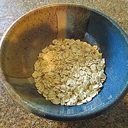 Oat flakes (rolled oats)Softer, more regular stoolsHow it helps your digestion
Too little fibre and fluid can cause constipation. Fibre-rich foods with plenty of liquids help, and oat, barley, rye and wheat-bran fibre carry authorised claims for bowel function. NIH NIDDKEUR-Lex
One portion (50 g): 5.5 g fibre
The evidenceOfficial Fibre-rich foods Step 3Whole grains, legumes, fruits, vegetables and nuts are good fibre sources. Add fibre a little at a time. NIH NIDDKEU claim More stool bulk Step 3All nutrients & evidence for oat flakes (rolled oats) →“Oat grain fibre contributes to an increase in faecal bulk.” EUR-LexEU Commission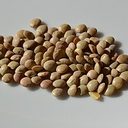 Lentils, boiledSofter, more regular stoolsHow it helps your digestion
Too little fibre and fluid can cause constipation. Fibre-rich foods with plenty of liquids help, and oat, barley, rye and wheat-bran fibre carry authorised claims for bowel function. NIH NIDDKEUR-Lex
One portion (150 g): 10.8 g fibre
The evidenceOfficial Fibre-rich foods Step 3All nutrients & evidence for lentils, boiled →Whole grains, legumes, fruits, vegetables and nuts are good fibre sources. Add fibre a little at a time. NIH NIDDK AppleSofter, more regular stoolsHow it helps your digestion
Too little fibre and fluid can cause constipation. Fibre-rich foods with plenty of liquids help, and oat, barley, rye and wheat-bran fibre carry authorised claims for bowel function. NIH NIDDKEUR-Lex
One portion (150 g): 3.4 g fibre
The evidenceOfficial Fibre-rich foods Step 3All nutrients & evidence for apple →Whole grains, legumes, fruits, vegetables and nuts are good fibre sources. Add fibre a little at a time. NIH NIDDK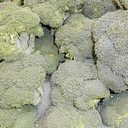 BroccoliSofter, more regular stoolsHow it helps your digestion
Too little fibre and fluid can cause constipation. Fibre-rich foods with plenty of liquids help, and oat, barley, rye and wheat-bran fibre carry authorised claims for bowel function. NIH NIDDKEUR-Lex
One portion (150 g): 4.5 g fibre
The evidenceOfficial Fibre-rich foods Step 3All nutrients & evidence for broccoli →Whole grains, legumes, fruits, vegetables and nuts are good fibre sources. Add fibre a little at a time. NIH NIDDK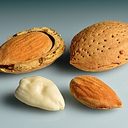 AlmondsSofter, more regular stoolsHow it helps your digestion
Too little fibre and fluid can cause constipation. Fibre-rich foods with plenty of liquids help, and oat, barley, rye and wheat-bran fibre carry authorised claims for bowel function. NIH NIDDKEUR-Lex
One portion (25 g): 2.5 g fibre
The evidenceOfficial Fibre-rich foods Step 3All nutrients & evidence for almonds →Whole grains, legumes, fruits, vegetables and nuts are good fibre sources. Add fibre a little at a time. NIH NIDDK Drinking waterSofter, more regular stoolsHow it helps your digestion
Too little fibre and fluid can cause constipation. Fibre-rich foods with plenty of liquids help, and oat, barley, rye and wheat-bran fibre carry authorised claims for bowel function. NIH NIDDKEUR-Lex
The evidenceAll nutrients & evidence for drinking water → Natural yogurt, 1.5% fatEasier lactose digestionHow it helps your digestion
Live yogurt cultures are authorised to improve digestion of the lactose (milk sugar) in the product in people who have trouble digesting lactose. EUR-Lex
The evidenceEU claim Easier lactose digestion Step 2All nutrients & evidence for natural yogurt, 1.5% fat →“Live cultures in yoghurt or fermented milk improve lactose digestion of the product in individuals who have difficulty digesting lactose.” Effect with yoghurt or fermented milk containing at least 10⁸ colony-forming units of live starter microorganisms (Lactobacillus delbrueckii subsp. bulgaricus and Streptococcus thermophilus) per gram. EUR-LexEU Commission SkyrEasier lactose digestionHow it helps your digestion
Live yogurt cultures are authorised to improve digestion of the lactose (milk sugar) in the product in people who have trouble digesting lactose. EUR-Lex
The evidenceEU claim Easier lactose digestion Step 2All nutrients & evidence for skyr →“Live cultures in yoghurt or fermented milk improve lactose digestion of the product in individuals who have difficulty digesting lactose.” Effect with yoghurt or fermented milk containing at least 10⁸ colony-forming units of live starter microorganisms (Lactobacillus delbrueckii subsp. bulgaricus and Streptococcus thermophilus) per gram. EUR-LexEU Commission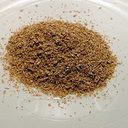 Oat bran flakesSofter, more regular stoolsHow it helps your digestion
Too little fibre and fluid can cause constipation. Fibre-rich foods with plenty of liquids help, and oat, barley, rye and wheat-bran fibre carry authorised claims for bowel function. NIH NIDDKEUR-Lex
One portion (30 g): 3.9 g fibre
The evidenceEU claim More stool bulk Step 3All nutrients & evidence for oat bran flakes →“Oat grain fibre contributes to an increase in faecal bulk.” EUR-LexEU Commission
🏃 Do
🚫 Cut down on
Evidence: EU claim EU-authorised claim · Official Official guidance · Trials Clinical trials · Study Population study · Review Scientific review
Turn this into my daily digestion & gut plan → How it works, step by step ↓
How digestion works
Digestion breaks food into nutrients small enough to absorb and use for energy, growth and cell repair. NIH NIDDK
- 1Mouth and stomach break food down
- 2The small intestine absorbs nutrients
- 3The large intestine forms stool
-
Mouth and stomach break food down
Root cause: Acid flowing back up from the stomach (reflux) upsets this stage.
🏃 Do
🚫 Cut down on
Your reflux triggersOfficial
Foods commonly linked to reflux: citrus fruits, tomatoes, alcohol, chocolate, coffee and caffeine, high-fat foods, mint and spicy foods. Cut down on the ones that bother you. NIH NIDDKTobaccoOfficial
Quitting smoking is one of the lifestyle changes recommended for reflux, together with losing weight if you are overweight. NIH NIDDK
How this step works · what slows it down · sources
Digestion starts when you chew; saliva contains an enzyme that begins breaking down starch. Muscles move food down the oesophagus, and stomach acid and enzymes break it down further. NIH NIDDK
The advice for this step comes from official health agencies and published research — the badge on each line shows which.
-
The small intestine absorbs nutrients
Root cause: Some people lack the enzyme to digest lactose.
🥗 Eat
- Natural yogurt, 1.5% fatEasier lactose digestionHow it helps your digestion
Live yogurt cultures are authorised to improve digestion of the lactose (milk sugar) in the product in people who have trouble digesting lactose. EUR-Lex
The evidenceEU claim Easier lactose digestionAll nutrients & evidence for natural yogurt, 1.5% fat →“Live cultures in yoghurt or fermented milk improve lactose digestion of the product in individuals who have difficulty digesting lactose.” Effect with yoghurt or fermented milk containing at least 10⁸ colony-forming units of live starter microorganisms (Lactobacillus delbrueckii subsp. bulgaricus and Streptococcus thermophilus) per gram. EUR-LexEU Commission - SkyrEasier lactose digestionHow it helps your digestion
Live yogurt cultures are authorised to improve digestion of the lactose (milk sugar) in the product in people who have trouble digesting lactose. EUR-Lex
The evidenceEU claim Easier lactose digestionAll nutrients & evidence for skyr →“Live cultures in yoghurt or fermented milk improve lactose digestion of the product in individuals who have difficulty digesting lactose.” Effect with yoghurt or fermented milk containing at least 10⁸ colony-forming units of live starter microorganisms (Lactobacillus delbrueckii subsp. bulgaricus and Streptococcus thermophilus) per gram. EUR-LexEU Commission
How this step works · what slows it down · sources
The pancreas adds enzymes that break down carbohydrates, fats and proteins, and the liver adds bile to digest fats. The walls of the small intestine absorb water and digested nutrients into the bloodstream. NIH NIDDK
“EU claim” items use the exact wording of Reg. (EU) No 432/2012 EUR-Lex; listed foods meet the legal condition of use (amounts per normal portion, BLS 4.0 / USDA).
-
The large intestine forms stool
Root cause: Too little fibre and fluid make stool hard and slow.
🥗 Eat
- Oat flakes (rolled oats)Softer, more regular stoolsHow it helps your digestion
Too little fibre and fluid can cause constipation. Fibre-rich foods with plenty of liquids help, and oat, barley, rye and wheat-bran fibre carry authorised claims for bowel function. NIH NIDDKEUR-Lex
One portion (50 g): 5.5 g fibre
The evidenceEU claim More stool bulk“Oat grain fibre contributes to an increase in faecal bulk.” EUR-LexEU CommissionOfficial Fibre-rich foodsAll nutrients & evidence for oat flakes (rolled oats) →Whole grains, legumes, fruits, vegetables and nuts are good fibre sources. Add fibre a little at a time. NIH NIDDK - Oat bran flakesSofter, more regular stoolsHow it helps your digestion
Too little fibre and fluid can cause constipation. Fibre-rich foods with plenty of liquids help, and oat, barley, rye and wheat-bran fibre carry authorised claims for bowel function. NIH NIDDKEUR-Lex
One portion (30 g): 3.9 g fibre
The evidenceEU claim More stool bulkAll nutrients & evidence for oat bran flakes →“Oat grain fibre contributes to an increase in faecal bulk.” EUR-LexEU Commission - Lentils, boiledSofter, more regular stoolsHow it helps your digestion
Too little fibre and fluid can cause constipation. Fibre-rich foods with plenty of liquids help, and oat, barley, rye and wheat-bran fibre carry authorised claims for bowel function. NIH NIDDKEUR-Lex
One portion (150 g): 10.8 g fibre
The evidenceOfficial Fibre-rich foodsAll nutrients & evidence for lentils, boiled →Whole grains, legumes, fruits, vegetables and nuts are good fibre sources. Add fibre a little at a time. NIH NIDDK - AppleSofter, more regular stoolsHow it helps your digestion
Too little fibre and fluid can cause constipation. Fibre-rich foods with plenty of liquids help, and oat, barley, rye and wheat-bran fibre carry authorised claims for bowel function. NIH NIDDKEUR-Lex
One portion (150 g): 3.4 g fibre
The evidenceOfficial Fibre-rich foodsAll nutrients & evidence for apple →Whole grains, legumes, fruits, vegetables and nuts are good fibre sources. Add fibre a little at a time. NIH NIDDK - BroccoliSofter, more regular stoolsHow it helps your digestion
Too little fibre and fluid can cause constipation. Fibre-rich foods with plenty of liquids help, and oat, barley, rye and wheat-bran fibre carry authorised claims for bowel function. NIH NIDDKEUR-Lex
One portion (150 g): 4.5 g fibre
The evidenceOfficial Fibre-rich foodsAll nutrients & evidence for broccoli →Whole grains, legumes, fruits, vegetables and nuts are good fibre sources. Add fibre a little at a time. NIH NIDDK - AlmondsSofter, more regular stoolsHow it helps your digestion
Too little fibre and fluid can cause constipation. Fibre-rich foods with plenty of liquids help, and oat, barley, rye and wheat-bran fibre carry authorised claims for bowel function. NIH NIDDKEUR-Lex
One portion (25 g): 2.5 g fibre
The evidenceOfficial Fibre-rich foodsAll nutrients & evidence for almonds →Whole grains, legumes, fruits, vegetables and nuts are good fibre sources. Add fibre a little at a time. NIH NIDDK - Drinking waterSofter, more regular stoolsHow it helps your digestion
Too little fibre and fluid can cause constipation. Fibre-rich foods with plenty of liquids help, and oat, barley, rye and wheat-bran fibre carry authorised claims for bowel function. NIH NIDDKEUR-Lex
The evidenceOfficial Plenty of fluidsAll nutrients & evidence for drinking water →Drink plenty of liquids to help the fibre work better. NIH NIDDK
How this step works · what slows it down · sources
The large intestine absorbs water and turns waste into stool. Bacteria living there help break down remaining nutrients and make vitamin K. NIH NIDDK
🔻 What can slow this down
- Too little fibre and too little fluid can contribute to constipation. NIH NIDDK
“EU claim” items use the exact wording of Reg. (EU) No 432/2012 EUR-Lex; listed foods meet the legal condition of use (amounts per normal portion, BLS 4.0 / USDA).
Authorised claims say a nutrient contributes to a normal body function. They do not mean that eating more than you need improves that function, or that a food treats any condition. Population studies show associations, not proof of cause.
Meal options built from this flow
Pick any option per meal. Ranked by how well one portion covers this goal's targets and how many steps above its foods support (reference adult, everything diet). The planner adapts portions, diet type and allergies.
Breakfast — pick one of 3
 Raspberries
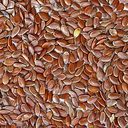 Linseed (flaxseed), ground
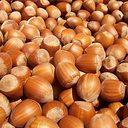 Hazelnuts
 Low-fat quark
Lunch — pick one of 3
Lentils, boiled 150 g ·  Tomatoes 100 g ·
 Cucumber 80 g ·
 Red sweet pepper 60 g ·
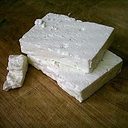 Feta 30 g ·
 Olive oil 10 g ·
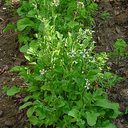 Rocket (arugula) 20 g
 Tofu 120 g ·
 Edamame (immature soya beans) 80 g · Broccoli 80 g · Red sweet pepper 60 g ·
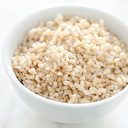 Brown rice, boiled 150 g ·
 Rapeseed (canola) oil 5 g
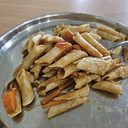 Wholemeal pasta, boiled 180 g · Tomatoes 120 g ·
 Aubergine (eggplant) 100 g ·
 Mozzarella 40 g · Olive oil 5 g
Dinner — pick one of 3
Lentils, boiled 150 g · Wholemeal pasta, boiled 150 g · Tomatoes 150 g ·  Carrots 60 g ·
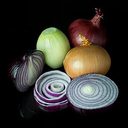 Onion 40 g · Olive oil 5 g
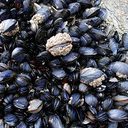 Mussels
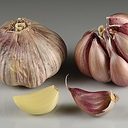 Garlic
 Shrimp 120 g ·
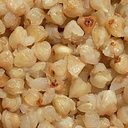 Buckwheat groats (dry) 50 g · Red sweet pepper 80 g · Broccoli 80 g · Carrots 60 g · Rapeseed (canola) oil 5 g
Snack — pick one of 3
 Peanut butter (100% peanuts)
 Banana
 Orange
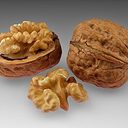 Walnuts
In short
Oat and barley grain fibre are authorised to increase faecal bulk, wheat bran fibre to accelerate intestinal transit, and rye fibre to contribute to normal bowel function. Live yoghurt cultures improve lactose digestion in people who have difficulty digesting lactose.
What official sources say
Key nutrients & daily targets
Shown for a reference adult (40-year-old man, 75 kg, ~2600 kcal). Your plan recalculates these for your age, sex and weight.
| Nutrient | Daily target | Basis |
|---|---|---|
| Dietary fibre | 30 g | App target 30 g — above the EFSA/WHO minimum of 25 g/day. WHOEFSA |
| Fruit & vegetables | 400 g | WHO: at least 400 g of fruit and vegetables a day (potatoes do not count) WHO |
All authorised EU health claims for this goal (5)
Exact wording from Regulation (EU) No 432/2012. A food may only carry a claim if it meets the legal condition of use — on each food page we show the numbers that meet (or miss) it.
Oat grain fibre contributes to an increase in faecal bulk.EUR-LexEU Commission
Barley grain fibre contributes to an increase in faecal bulk.EUR-LexEU Commission
Rye fibre contributes to normal bowel function.EUR-LexEU Commission
Wheat bran fibre contributes to an acceleration of intestinal transit.
Live cultures in yoghurt or fermented milk improve lactose digestion of the product in individuals who have difficulty digesting lactose.
Foods ranked by nutrient content (14)
Ranked by how much of the daily target one normal portion provides (nutrient values: BLS 4.0 / USDA FDC), plus authorised claims the food qualifies for.
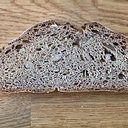 Wholemeal rye bread · 80 g
Oat flakes (rolled oats) · 50 g
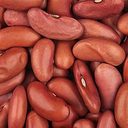 Kidney beans, canned, drained
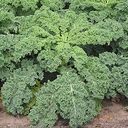 Kale
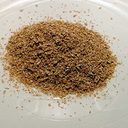 Wheat bran · 10 g
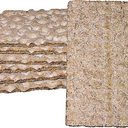 Wholemeal rye crispbread · 20 g
Oat bran flakes · 30 g
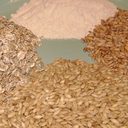 Barley flakes · 40 g
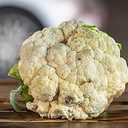 Cauliflower
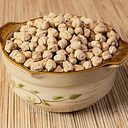 Chickpeas, canned, drained
 Pear
 Brussels sprouts
Example day from a digestion & gut plan
Generated automatically for the reference adult. Your plan adapts portions, diet type and allergies.
Tofu 190 g · Edamame (immature soya beans) 120 g · Broccoli 80 g · Red sweet pepper 60 g · Brown rice, boiled 230 g · Rapeseed (canola) oil 10 gLentils, boiled 230 g · Wholemeal pasta, boiled 230 g · Tomatoes 150 g · Carrots 60 g · Onion 40 g · Olive oil 10 g Kefir, low-fat 310 g ·
 Kiwi fruit 120 g
Sources
- Commission Regulation (EU) No 432/2012 — list of permitted health claims (consolidated) — European Union (EUR-Lex)
- Eating, diet & nutrition for constipation — NIH NIDDK
- Carbohydrate intake for adults and children: WHO guideline (2023) — World Health Organization
- Health claims — European Food Safety Authority
- Your digestive system & how it works — NIH NIDDK
- Eating, diet & nutrition for GER & GERD — NIH NIDDK
- Treatment for GER & GERD — NIH NIDDK
- Bundeslebensmittelschlüssel (BLS) 4.0 — German Nutrient Database — Max Rubner-Institut
- FoodData Central — USDA Agricultural Research Service