🎗️ Food and cancer risk — what official sources actually say
What to do — the quick answer
Tap any line for the reason, the evidence level and the source. The full step-by-step explanation follows below.
🥗 Eat more of
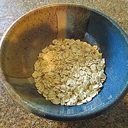 Oat flakes (rolled oats)Lowers bowel cancer riskHow it helps lower your cancer risk
Strong evidence shows that wholegrains and foods containing fibre decrease the risk of colorectal (bowel) cancer. World Cancer Research Fund International
One portion (50 g): 5.5 g fibre
The evidenceOfficial Wholegrains & fibre Step 3All nutrients & evidence for oat flakes (rolled oats) →Strong evidence shows wholegrains and foods containing dietary fibre decrease the risk of colorectal cancer. Aim for at least 30 g of fibre a day from food and at least 400 g of vegetables and fruit. World Cancer Research Fund International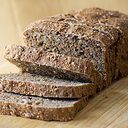 Wholemeal breadLowers bowel cancer riskHow it helps lower your cancer risk
Strong evidence shows that wholegrains and foods containing fibre decrease the risk of colorectal (bowel) cancer. World Cancer Research Fund International
One portion (80 g): 8 g fibre
The evidenceOfficial Wholegrains & fibre Step 3All nutrients & evidence for wholemeal bread →Strong evidence shows wholegrains and foods containing dietary fibre decrease the risk of colorectal cancer. Aim for at least 30 g of fibre a day from food and at least 400 g of vegetables and fruit. World Cancer Research Fund International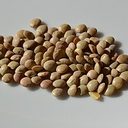 Lentils, boiledLowers bowel cancer riskHow it helps lower your cancer risk
Strong evidence shows that wholegrains and foods containing fibre decrease the risk of colorectal (bowel) cancer. World Cancer Research Fund International
One portion (150 g): 10.8 g fibre
The evidenceOfficial Wholegrains & fibre Step 3All nutrients & evidence for lentils, boiled →Strong evidence shows wholegrains and foods containing dietary fibre decrease the risk of colorectal cancer. Aim for at least 30 g of fibre a day from food and at least 400 g of vegetables and fruit. World Cancer Research Fund International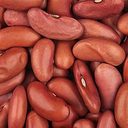 Kidney beans, canned, drainedLowers bowel cancer riskHow it helps lower your cancer risk
Strong evidence shows that wholegrains and foods containing fibre decrease the risk of colorectal (bowel) cancer. World Cancer Research Fund International
One portion (120 g): 13.5 g fibre
The evidenceOfficial Wholegrains & fibre Step 3All nutrients & evidence for kidney beans, canned, drained →Strong evidence shows wholegrains and foods containing dietary fibre decrease the risk of colorectal cancer. Aim for at least 30 g of fibre a day from food and at least 400 g of vegetables and fruit. World Cancer Research Fund International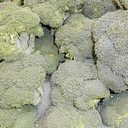 BroccoliLowers bowel cancer riskHow it helps lower your cancer risk
Strong evidence shows that wholegrains and foods containing fibre decrease the risk of colorectal (bowel) cancer. World Cancer Research Fund International
One portion (150 g): 4.5 g fibre
The evidenceOfficial Wholegrains & fibre Step 3All nutrients & evidence for broccoli →Strong evidence shows wholegrains and foods containing dietary fibre decrease the risk of colorectal cancer. Aim for at least 30 g of fibre a day from food and at least 400 g of vegetables and fruit. World Cancer Research Fund International
🏃 Do
🚫 Cut down on
Evidence: EU claim EU-authorised claim · Official Official guidance · Trials Clinical trials · Study Population study · Review Scientific review
Turn this into my daily lower cancer risk factors plan → How it works, step by step ↓
How cancer starts — and which risks you can change
Cancer is a genetic disease: changes to genes that control how cells grow and divide. Some causes can be avoided. NIH NCI
-
Genes that control cell growth change
Root cause: DNA damage from tobacco smoke, UV, alcohol and other exposures — plus chance and inheritance.
🏃 Do
🚫 Cut down on
TobaccoOfficial
Tobacco smoke chemicals damage DNA. NIH NCI
How this step works · what slows it down · sources
Normally cells grow and divide as the body needs them and die when they are old or damaged. Cancer starts with changes to genes that control this. These come from errors when cells divide, DNA damage from exposures such as tobacco smoke and UV rays, or are inherited. NIH NCI
🔻 What can slow this down
- Tobacco, alcohol, obesity, some infections, radiation, sunlight, chronic inflammation and cancer-causing substances are risk factors. Some can be avoided; others, like age, cannot. NIH NCI
✅ Also helps
- About 38 % of cancers can currently be prevented by avoiding risk factors and using existing prevention strategies. WHO
The advice for this step comes from official health agencies and published research — the badge on each line shows which.
-
Cancer cells ignore stop signals
Root cause: Damaged cells escape the body's normal controls and the immune system.
🏃 Do
Go to screeningsOfficial
Using existing prevention strategies — including early detection — is part of the 38 % of cancers that can be prevented. WHO
How this step works · what slows it down · sources
Cancer cells keep growing without the usual signals, ignore signals to stop or die, invade nearby tissue, and can spread through the blood or lymph. The immune system normally removes many abnormal cells, but some cancers evade it. NIH NCI
The advice for this step comes from official health agencies and published research — the badge on each line shows which.
-
Food-related risks
Root cause: Processed and red meat, alcohol and low fibre intake.
🥗 Eat
- Oat flakes (rolled oats)Lowers bowel cancer riskHow it helps lower your cancer risk
Strong evidence shows that wholegrains and foods containing fibre decrease the risk of colorectal (bowel) cancer. World Cancer Research Fund International
One portion (50 g): 5.5 g fibre
The evidenceOfficial Wholegrains & fibreAll nutrients & evidence for oat flakes (rolled oats) →Strong evidence shows wholegrains and foods containing dietary fibre decrease the risk of colorectal cancer. Aim for at least 30 g of fibre a day from food and at least 400 g of vegetables and fruit. World Cancer Research Fund International - Wholemeal breadLowers bowel cancer riskHow it helps lower your cancer risk
Strong evidence shows that wholegrains and foods containing fibre decrease the risk of colorectal (bowel) cancer. World Cancer Research Fund International
One portion (80 g): 8 g fibre
The evidenceOfficial Wholegrains & fibreAll nutrients & evidence for wholemeal bread →Strong evidence shows wholegrains and foods containing dietary fibre decrease the risk of colorectal cancer. Aim for at least 30 g of fibre a day from food and at least 400 g of vegetables and fruit. World Cancer Research Fund International - Lentils, boiledLowers bowel cancer riskHow it helps lower your cancer risk
Strong evidence shows that wholegrains and foods containing fibre decrease the risk of colorectal (bowel) cancer. World Cancer Research Fund International
One portion (150 g): 10.8 g fibre
The evidenceOfficial Wholegrains & fibreAll nutrients & evidence for lentils, boiled →Strong evidence shows wholegrains and foods containing dietary fibre decrease the risk of colorectal cancer. Aim for at least 30 g of fibre a day from food and at least 400 g of vegetables and fruit. World Cancer Research Fund International - Kidney beans, canned, drainedLowers bowel cancer riskHow it helps lower your cancer risk
Strong evidence shows that wholegrains and foods containing fibre decrease the risk of colorectal (bowel) cancer. World Cancer Research Fund International
One portion (120 g): 13.5 g fibre
The evidenceOfficial Wholegrains & fibreAll nutrients & evidence for kidney beans, canned, drained →Strong evidence shows wholegrains and foods containing dietary fibre decrease the risk of colorectal cancer. Aim for at least 30 g of fibre a day from food and at least 400 g of vegetables and fruit. World Cancer Research Fund International - BroccoliLowers bowel cancer riskHow it helps lower your cancer risk
Strong evidence shows that wholegrains and foods containing fibre decrease the risk of colorectal (bowel) cancer. World Cancer Research Fund International
One portion (150 g): 4.5 g fibre
The evidenceOfficial Wholegrains & fibreAll nutrients & evidence for broccoli →Strong evidence shows wholegrains and foods containing dietary fibre decrease the risk of colorectal cancer. Aim for at least 30 g of fibre a day from food and at least 400 g of vegetables and fruit. World Cancer Research Fund International
How this step works · what slows it down · sources
IARC classifies processed meat as carcinogenic to humans and red meat as probably carcinogenic. Alcohol is an established carcinogen, and there is no form of alcohol consumption that is risk-free. WHOWHO
The advice for this step comes from official health agencies and published research — the badge on each line shows which.
Authorised claims say a nutrient contributes to a normal body function. They do not mean that eating more than you need improves that function, or that a food treats any condition. Population studies show associations, not proof of cause.
Meal options built from this flow
Pick any option per meal. Ranked by how well one portion covers this goal's targets and how many steps above its foods support (reference adult, everything diet). The planner adapts portions, diet type and allergies.
Breakfast — pick one of 3
 Eggs, boiled
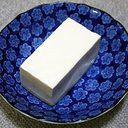 Tofu 150 g ·
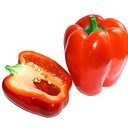 Red sweet pepper 80 g ·
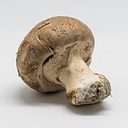 Button mushrooms 80 g ·
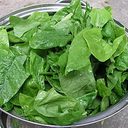 Spinach 40 g ·
 Rapeseed (canola) oil 5 g · Wholemeal bread 50 g
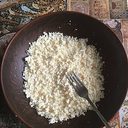 Cottage cheese
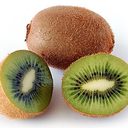 Kiwi fruit
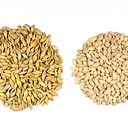 Wheat germ
Lunch — pick one of 3
Lentils, boiled 150 g · 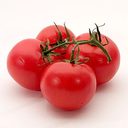 Tomatoes 100 g ·
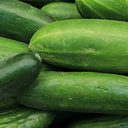 Cucumber 80 g · Red sweet pepper 60 g ·
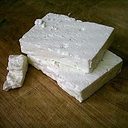 Feta 30 g ·
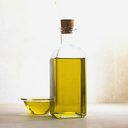 Olive oil 10 g ·
 Rocket (arugula) 20 g
 Salmon
 Quinoa, boiledTofu 120 g ·
 Edamame (immature soya beans) 80 g · Broccoli 80 g · Red sweet pepper 60 g ·
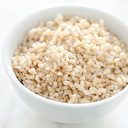 Brown rice, boiled 150 g · Rapeseed (canola) oil 5 g
Dinner — pick one of 3
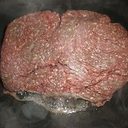 Beef mince, lean 100 g · Kidney beans, canned, drained 100 g · Tomatoes 150 g ·
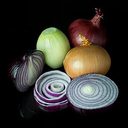 Onion 40 g · Red sweet pepper 60 g · Brown rice, boiled 120 gTofu 150 g ·
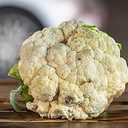 Cauliflower 120 g · Spinach 50 g ·
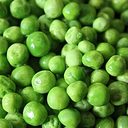 Green peas, frozen 60 g · Brown rice, boiled 150 g · Rapeseed (canola) oil 5 g
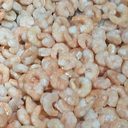 Shrimp 120 g ·
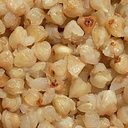 Buckwheat groats (dry) 50 g · Red sweet pepper 80 g · Broccoli 80 g ·
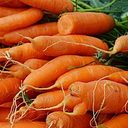 Carrots 60 g · Rapeseed (canola) oil 5 g
Snack — pick one of 3
 Soya yogurt alternative, fortified
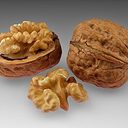 Walnuts
 Raspberries
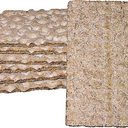 Wholemeal rye crispbread
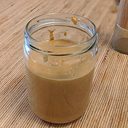 Peanut butter (100% peanuts)
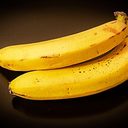 Banana
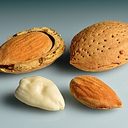 Almonds
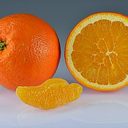 Orange
In short
WHO states that approximately 38 % of cancers can currently be prevented by avoiding risk factors such as tobacco, alcohol, unhealthy diet, physical inactivity and air pollution. IARC classifies processed meat as carcinogenic (Group 1) and red meat as probably carcinogenic (Group 2A). This plan follows WHO healthy-diet guidance: plenty of fruit, vegetables and fibre, no processed meat, little red meat, no alcohol.
What official sources say
Key nutrients & daily targets
Shown for a reference adult (40-year-old man, 75 kg, ~2600 kcal). Your plan recalculates these for your age, sex and weight.
| Nutrient | Daily target | Basis |
|---|---|---|
| Fruit & vegetables | 400 g | WHO: at least 400 g of fruit and vegetables a day (potatoes do not count) WHO |
| Dietary fibre | 25 g | EFSA Adequate Intake 25 g/day for adults; WHO (2023) recommends at least 25 g/day of naturally occurring fibre WHO |
| Salt | < 5 g | WHO: less than 5 g per day WHO |
Foods ranked by nutrient content (14)
Ranked by how much of the daily target one normal portion provides (nutrient values: BLS 4.0 / USDA FDC), plus authorised claims the food qualifies for.
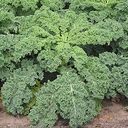 Kale
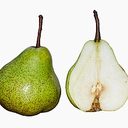 Pear
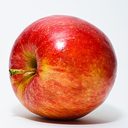 Apple
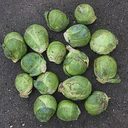 Brussels sprouts
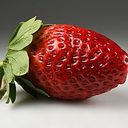 Strawberries
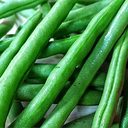 Green beans
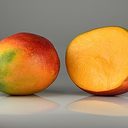 Mango
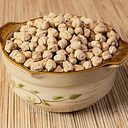 Chickpeas, canned, drained
Example day from a lower cancer risk factors plan
Generated automatically for the reference adult. Your plan adapts portions, diet type and allergies.
Tofu 250 g · Red sweet pepper 80 g · Button mushrooms 80 g · Spinach 40 g · Rapeseed (canola) oil 10 g · Wholemeal bread 80 g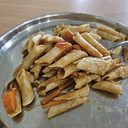 Wholemeal pasta, boiled 300 g · Tomatoes 120 g ·
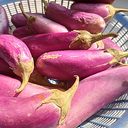 Aubergine (eggplant) 100 g ·
 Mozzarella 70 g · Olive oil 10 g
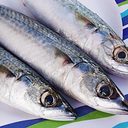 Mackerel 160 g · Buckwheat groats (dry) 80 g · Carrots 100 g ·
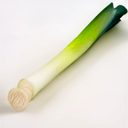 Leek 60 g · Rapeseed (canola) oil 10 g
Sources
- Cancer — fact sheet — World Health Organization
- Cancer: carcinogenicity of the consumption of red meat and processed meat — Q&A — World Health Organization / IARC
- Alcohol — fact sheet — World Health Organization
- Healthy diet — fact sheet — World Health Organization
- Diet and cancer risk — NIH National Cancer Institute
- What is cancer? — NIH National Cancer Institute
- Risk factors for cancer — NIH National Cancer Institute
- Physical activity and cancer — fact sheet — NIH National Cancer Institute
- Ultraviolet radiation — fact sheet — World Health Organization
- Eat a diet rich in wholegrains, vegetables, fruit and beans — the evidence — World Cancer Research Fund International
- Bundeslebensmittelschlüssel (BLS) 4.0 — German Nutrient Database — Max Rubner-Institut
- FoodData Central — USDA Agricultural Research Service
- Commission Regulation (EU) No 432/2012 — list of permitted health claims (consolidated) — European Union (EUR-Lex)