🩸 Best foods for blood vessels and circulation
What to do — the quick answer
Tap any line for the reason, the evidence level and the source. The full step-by-step explanation follows below.
🥗 Eat more of
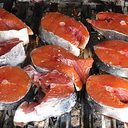 SalmonKeeps arteries clear · Helps blood carry oxygenHow it helps your circulation
Keeps arteries clear: Blood travels through the arteries; plaque made of fat and cholesterol narrows them and reduces blood flow. Most people can prevent or delay plaque with heart-healthy eating — fatty fish, nuts, beans, whole grains and plant oils instead of butter. NIH NHLBINIH NHLBI
Helps blood carry oxygen: Red blood cells carry oxygen, and your body needs iron to make them. Vitamin C helps you absorb the iron in a meal. NIH NHLBIEUR-Lex
Supports the heart muscle: The heart pumps oxygen-rich blood to the whole body. EPA/DHA and thiamin are authorised to contribute to normal heart function. NIH NHLBIEUR-Lex
One portion (125 g): 3 g saturated fat · 0.3 mg Iron · 2265 mg EPA + DHA
The evidenceOfficial Heart-healthy staples Step 2NIH heart-healthy foods: fatty fish such as salmon, nuts and seeds, beans and lentils, whole grains like plain oatmeal, and plant oils such as olive or canola oil instead of butter. NIH NHLBIOfficial Iron-rich foods Step 4NIH lists beans, dried fruit, eggs, lean red meat, salmon, iron-fortified cereals, peas, tofu and dark green leafy vegetables. NIH NHLBIEU claim Normal heart function · 2265 mg per portion Step 1“EPA and DHA contribute to the normal function of the heart.” Effect with 250 mg of EPA and DHA per day. EUR-LexEU CommissionEU claim Healthier cholesterol · 8.8 g per portion Step 2“Replacing saturated fats in the diet with unsaturated fats contributes to the maintenance of normal blood cholesterol levels.” EUR-LexEU CommissionEU claim Red blood cells · 0.69 mg per portion Step 4All nutrients & evidence for salmon →“Vitamin B6 contributes to normal red blood cell formation.” EUR-LexEU Commission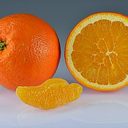 OrangeHelps blood carry oxygen · Keeps arteries clearHow it helps your circulation
Helps blood carry oxygen: Red blood cells carry oxygen, and your body needs iron to make them. Vitamin C helps you absorb the iron in a meal. NIH NHLBIEUR-Lex
Keeps arteries clear: Blood travels through the arteries; plaque made of fat and cholesterol narrows them and reduces blood flow. Most people can prevent or delay plaque with heart-healthy eating — fatty fish, nuts, beans, whole grains and plant oils instead of butter. NIH NHLBINIH NHLBI
Supports the heart muscle: The heart pumps oxygen-rich blood to the whole body. EPA/DHA and thiamin are authorised to contribute to normal heart function. NIH NHLBIEUR-Lex
One portion (150 g): 0.27 mg Iron · 93.5 mg Vitamin C · 3.3 g fibre · 0.04 g saturated fat
The evidenceOfficial Vitamin C with iron Step 4Oranges, strawberries and tomatoes help your body absorb iron from a meal. NIH NHLBIEU claim Blood-vessel collagen · 93.5 mg per portion Step 2“Vitamin C contributes to normal collagen formation for the normal function of blood vessels.” EUR-LexEU CommissionEU claim Normal heart function · 0.33 mg per portion Step 1“Thiamine contributes to the normal function of the heart.” EUR-LexEU CommissionEU claim Absorbs more iron · 93.5 mg per portion Step 4All nutrients & evidence for orange →“Vitamin C increases iron absorption.” EUR-LexEU Commission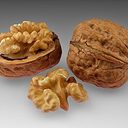 WalnutsKeeps arteries clear · Helps blood carry oxygenHow it helps your circulation
Keeps arteries clear: Blood travels through the arteries; plaque made of fat and cholesterol narrows them and reduces blood flow. Most people can prevent or delay plaque with heart-healthy eating — fatty fish, nuts, beans, whole grains and plant oils instead of butter. NIH NHLBINIH NHLBI
Helps blood carry oxygen: Red blood cells carry oxygen, and your body needs iron to make them. Vitamin C helps you absorb the iron in a meal. NIH NHLBIEUR-Lex
One portion (30 g): 1.4 g fibre · 2 g saturated fat · 0.83 mg Iron
The evidenceOfficial Heart-healthy staples Step 2NIH heart-healthy foods: fatty fish such as salmon, nuts and seeds, beans and lentils, whole grains like plain oatmeal, and plant oils such as olive or canola oil instead of butter. NIH NHLBIEU claim Elastic blood vessels · 30 g per portion Step 2“Walnuts contribute to the improvement of the elasticity of blood vessels.” Effect with 30 g of walnuts per day. EUR-LexEU CommissionEU claim Healthier cholesterol · 19 g per portion Step 2“Replacing saturated fats in the diet with unsaturated fats contributes to the maintenance of normal blood cholesterol levels.” EUR-LexEU CommissionEU claim Normal cholesterol · 3 g per portion Step 2“ALA contributes to the maintenance of normal blood cholesterol levels.” Effect with 2 g of ALA per day. EUR-LexEU CommissionEU claim Moves iron · 0.4 mg per portion Step 4All nutrients & evidence for walnuts →“Copper contributes to normal iron transport in the body.” EUR-LexEU Commission Eggs, boiledHelps blood carry oxygen · Supports the heart muscleHow it helps your circulation
Helps blood carry oxygen: Red blood cells carry oxygen, and your body needs iron to make them. Vitamin C helps you absorb the iron in a meal. NIH NHLBIEUR-Lex
Supports the heart muscle: The heart pumps oxygen-rich blood to the whole body. EPA/DHA and thiamin are authorised to contribute to normal heart function. NIH NHLBIEUR-Lex
One portion (120 g): 2.4 mg Iron · 78 mg EPA + DHA
The evidenceOfficial Iron-rich foods Step 4NIH lists beans, dried fruit, eggs, lean red meat, salmon, iron-fortified cereals, peas, tofu and dark green leafy vegetables. NIH NHLBIEU claim Normal heart function · 78 mg per portion Step 1“EPA and DHA contribute to the normal function of the heart.” Effect with 250 mg of EPA and DHA per day. EUR-LexEU CommissionEU claim Red blood cells · 2.4 µg per portion Step 4“Vitamin B12 contributes to normal red blood cell formation.” EUR-LexEU CommissionEU claim Blood formation · 104 µg per portion Step 4All nutrients & evidence for eggs, boiled →“Folate contributes to normal blood formation.” EUR-LexEU Commission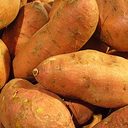 Sweet potatoKeeps arteries clear · Helps keep blood pressure healthyHow it helps your circulation
Keeps arteries clear: Blood travels through the arteries; plaque made of fat and cholesterol narrows them and reduces blood flow. Most people can prevent or delay plaque with heart-healthy eating — fatty fish, nuts, beans, whole grains and plant oils instead of butter. NIH NHLBINIH NHLBI
Helps keep blood pressure healthy: High blood pressure damages artery walls over time, and too much sodium raises it. The DASH plan — vegetables, fruit, whole grains, low-fat dairy and beans — and potassium help keep it in the healthy range. NIH NHLBINIH NHLBINIH NHLBIEUR-Lex
Helps blood carry oxygen: Red blood cells carry oxygen, and your body needs iron to make them. Vitamin C helps you absorb the iron in a meal. NIH NHLBIEUR-Lex
One portion (200 g): 6.3 g fibre · 0 g saturated fat · 720 mg Potassium · 8 mg Sodium · 1.3 mg Iron · 60 mg Vitamin C
The evidenceEU claim Blood-vessel collagen · 60 mg per portion Step 2“Vitamin C contributes to normal collagen formation for the normal function of blood vessels.” EUR-LexEU CommissionEU claim Normal blood pressure · 720 mg per portion Step 3“Potassium contributes to the maintenance of normal blood pressure.” EUR-LexEU CommissionEU claim Absorbs more iron · 60 mg per portion Step 4“Vitamin C increases iron absorption.” EUR-LexEU CommissionEU claim Red blood cells · 0.54 mg per portion Step 4All nutrients & evidence for sweet potato →“Vitamin B6 contributes to normal red blood cell formation.” EUR-LexEU Commission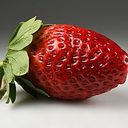 StrawberriesHelps blood carry oxygen · Keeps arteries clearHow it helps your circulation
Helps blood carry oxygen: Red blood cells carry oxygen, and your body needs iron to make them. Vitamin C helps you absorb the iron in a meal. NIH NHLBIEUR-Lex
Keeps arteries clear: Blood travels through the arteries; plaque made of fat and cholesterol narrows them and reduces blood flow. Most people can prevent or delay plaque with heart-healthy eating — fatty fish, nuts, beans, whole grains and plant oils instead of butter. NIH NHLBINIH NHLBI
One portion (150 g): 0.69 mg Iron · 85.3 mg Vitamin C · 3 g fibre · 0.05 g saturated fat
The evidenceOfficial Vitamin C with iron Step 4Oranges, strawberries and tomatoes help your body absorb iron from a meal. NIH NHLBIEU claim Blood-vessel collagen · 85.3 mg per portion Step 2“Vitamin C contributes to normal collagen formation for the normal function of blood vessels.” EUR-LexEU CommissionEU claim Absorbs more iron · 85.3 mg per portion Step 4All nutrients & evidence for strawberries →“Vitamin C increases iron absorption.” EUR-LexEU Commission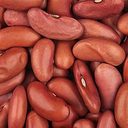 Kidney beans, canned, drainedKeeps arteries clear · Helps keep blood pressure healthyHow it helps your circulation
Keeps arteries clear: Blood travels through the arteries; plaque made of fat and cholesterol narrows them and reduces blood flow. Most people can prevent or delay plaque with heart-healthy eating — fatty fish, nuts, beans, whole grains and plant oils instead of butter. NIH NHLBINIH NHLBI
Helps keep blood pressure healthy: High blood pressure damages artery walls over time, and too much sodium raises it. The DASH plan — vegetables, fruit, whole grains, low-fat dairy and beans — and potassium help keep it in the healthy range. NIH NHLBINIH NHLBINIH NHLBIEUR-Lex
One portion (120 g): 13.5 g fibre · 0.06 g saturated fat · 365 mg Potassium · 299 mg Sodium
The evidenceOfficial Heart-healthy staples Step 2NIH heart-healthy foods: fatty fish such as salmon, nuts and seeds, beans and lentils, whole grains like plain oatmeal, and plant oils such as olive or canola oil instead of butter. NIH NHLBIOfficial DASH plan foods Step 3All nutrients & evidence for kidney beans, canned, drained →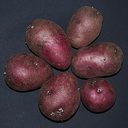 Potato, unpeeledHelps keep blood pressure healthyHow it helps your circulation
High blood pressure damages artery walls over time, and too much sodium raises it. The DASH plan — vegetables, fruit, whole grains, low-fat dairy and beans — and potassium help keep it in the healthy range. NIH NHLBINIH NHLBINIH NHLBIEUR-Lex
One portion (200 g): 926 mg Potassium · 20 mg Sodium
The evidenceOfficial DASH plan foods Step 3EU claim Normal blood pressure · 926 mg per portion Step 3All nutrients & evidence for potato, unpeeled →“Potassium contributes to the maintenance of normal blood pressure.” EUR-LexEU Commission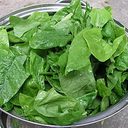 SpinachHelps keep blood pressure healthyHow it helps your circulation
High blood pressure damages artery walls over time, and too much sodium raises it. The DASH plan — vegetables, fruit, whole grains, low-fat dairy and beans — and potassium help keep it in the healthy range. NIH NHLBINIH NHLBINIH NHLBIEUR-Lex
One portion (100 g): 573 mg Potassium · 50 mg Sodium
The evidenceOfficial DASH plan foods Step 3Trials Nitrate → nitric oxide Step 3All nutrients & evidence for spinach →Leafy greens and beetroot are rich in nitrate, which the body turns (via nitrite) into nitric oxide, the signal that widens blood vessels. In a meta-analysis of 16 trials, nitrate or beetroot juice lowered systolic blood pressure by about 4.4 mm Hg. Studied for blood pressure and vessel function, not long-term outcomes. PubMed studyPubMed study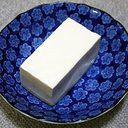 TofuHelps blood carry oxygenHow it helps your circulation
Red blood cells carry oxygen, and your body needs iron to make them. Vitamin C helps you absorb the iron in a meal. NIH NHLBIEUR-Lex
One portion (150 g): 4.3 mg Iron
The evidenceOfficial Iron-rich foods Step 4NIH lists beans, dried fruit, eggs, lean red meat, salmon, iron-fortified cereals, peas, tofu and dark green leafy vegetables. NIH NHLBIEU claim Makes red blood cells · 4.3 mg per portion Step 4“Iron contributes to normal formation of red blood cells and haemoglobin.” EUR-LexEU CommissionEU claim Carries oxygen · 4.3 mg per portion Step 4“Iron contributes to normal oxygen transport in the body.” EUR-LexEU CommissionEU claim Moves iron · 0.41 mg per portion Step 4All nutrients & evidence for tofu →“Copper contributes to normal iron transport in the body.” EUR-LexEU Commission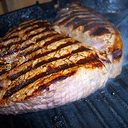 Beef rump (lean red meat)Helps blood carry oxygenHow it helps your circulation
Red blood cells carry oxygen, and your body needs iron to make them. Vitamin C helps you absorb the iron in a meal. NIH NHLBIEUR-Lex
One portion (125 g): 3.3 mg Iron
The evidenceOfficial Iron-rich foods Step 4NIH lists beans, dried fruit, eggs, lean red meat, salmon, iron-fortified cereals, peas, tofu and dark green leafy vegetables. NIH NHLBIEU claim Makes red blood cells · 3.3 mg per portion Step 4“Iron contributes to normal formation of red blood cells and haemoglobin.” EUR-LexEU CommissionEU claim Carries oxygen · 3.3 mg per portion Step 4“Iron contributes to normal oxygen transport in the body.” EUR-LexEU CommissionEU claim Red blood cells · 2.3 µg per portion Step 4All nutrients & evidence for beef rump (lean red meat) →“Vitamin B12 contributes to normal red blood cell formation.” EUR-LexEU Commission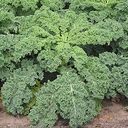 KaleKeeps arteries clear · Helps blood carry oxygenHow it helps your circulation
Keeps arteries clear: Blood travels through the arteries; plaque made of fat and cholesterol narrows them and reduces blood flow. Most people can prevent or delay plaque with heart-healthy eating — fatty fish, nuts, beans, whole grains and plant oils instead of butter. NIH NHLBINIH NHLBI
Helps blood carry oxygen: Red blood cells carry oxygen, and your body needs iron to make them. Vitamin C helps you absorb the iron in a meal. NIH NHLBIEUR-Lex
One portion (100 g): 8.4 g fibre · 0.1 g saturated fat · 1.1 mg Iron · 156 mg Vitamin C
The evidenceEU claim Blood-vessel collagen · 156 mg per portion Step 2“Vitamin C contributes to normal collagen formation for the normal function of blood vessels.” EUR-LexEU CommissionEU claim Blood formation · 187 µg per portion Step 4“Folate contributes to normal blood formation.” EUR-LexEU CommissionEU claim Absorbs more iron · 156 mg per portion Step 4All nutrients & evidence for kale →“Vitamin C increases iron absorption.” EUR-LexEU Commission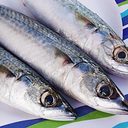 MackerelKeeps arteries clearHow it helps your circulation
Blood travels through the arteries; plaque made of fat and cholesterol narrows them and reduces blood flow. Most people can prevent or delay plaque with heart-healthy eating — fatty fish, nuts, beans, whole grains and plant oils instead of butter. NIH NHLBINIH NHLBI
One portion (125 g): 2.1 g saturated fat
The evidenceOfficial Heart-healthy staples Step 2All nutrients & evidence for mackerel →NIH heart-healthy foods: fatty fish such as salmon, nuts and seeds, beans and lentils, whole grains like plain oatmeal, and plant oils such as olive or canola oil instead of butter. NIH NHLBI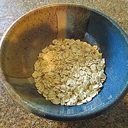 Oat flakes (rolled oats)Keeps arteries clearHow it helps your circulation
Blood travels through the arteries; plaque made of fat and cholesterol narrows them and reduces blood flow. Most people can prevent or delay plaque with heart-healthy eating — fatty fish, nuts, beans, whole grains and plant oils instead of butter. NIH NHLBINIH NHLBI
One portion (50 g): 5.5 g fibre · 0.67 g saturated fat
The evidenceOfficial Heart-healthy staples Step 2All nutrients & evidence for oat flakes (rolled oats) →NIH heart-healthy foods: fatty fish such as salmon, nuts and seeds, beans and lentils, whole grains like plain oatmeal, and plant oils such as olive or canola oil instead of butter. NIH NHLBI
🏃 Do
🚫 Cut down on
Evidence: EU claim EU-authorised claim · Official Official guidance · Trials Clinical trials · Study Population study · Review Scientific review
Turn this into my daily blood flow & blood vessels plan → How it works, step by step ↓
How blood reaches every part of your body
Good circulation depends on a strong heart, open and elastic arteries, healthy blood pressure and enough healthy red blood cells. NIH NHLBI
- 1The heart pumps blood around the body
- 2Arteries stay open and elastic
- 3Blood pressure stays in the healthy range
- 4Red blood cells carry oxygen
-
The heart pumps blood around the body
Root cause: Unhealthy diet, inactivity, tobacco and harmful alcohol use wear down the heart and its arteries.
🥗 Eat
 HerringSupports the heart muscleHow it helps your circulation
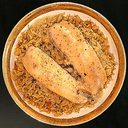
The heart pumps oxygen-rich blood to the whole body. EPA/DHA and thiamin are authorised to contribute to normal heart function. NIH NHLBIEUR-Lex
One portion (125 g): 2468 mg EPA + DHA
The evidenceEU claim Normal heart function · 2468 mg per portionAll nutrients & evidence for herring →“EPA and DHA contribute to the normal function of the heart.” Effect with 250 mg of EPA and DHA per day. EUR-LexEU Commission- SalmonSupports the heart muscleHow it helps your circulation
The heart pumps oxygen-rich blood to the whole body. EPA/DHA and thiamin are authorised to contribute to normal heart function. NIH NHLBIEUR-Lex
One portion (125 g): 2265 mg EPA + DHA
The evidenceEU claim Normal heart function · 2265 mg per portionAll nutrients & evidence for salmon →“EPA and DHA contribute to the normal function of the heart.” Effect with 250 mg of EPA and DHA per day. EUR-LexEU Commission - Eggs, boiledSupports the heart muscleHow it helps your circulation
The heart pumps oxygen-rich blood to the whole body. EPA/DHA and thiamin are authorised to contribute to normal heart function. NIH NHLBIEUR-Lex
One portion (120 g): 78 mg EPA + DHA
The evidenceEU claim Normal heart function · 78 mg per portionAll nutrients & evidence for eggs, boiled →“EPA and DHA contribute to the normal function of the heart.” Effect with 250 mg of EPA and DHA per day. EUR-LexEU Commission 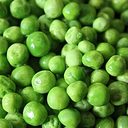 Green peas, frozenSupports the heart muscleHow it helps your circulation
The heart pumps oxygen-rich blood to the whole body. EPA/DHA and thiamin are authorised to contribute to normal heart function. NIH NHLBIEUR-Lex
The evidenceEU claim Normal heart function · 0.6 mg per portionAll nutrients & evidence for green peas, frozen →“Thiamine contributes to the normal function of the heart.” EUR-LexEU Commission Edamame (immature soya beans)Supports the heart muscleHow it helps your circulation
The heart pumps oxygen-rich blood to the whole body. EPA/DHA and thiamin are authorised to contribute to normal heart function. NIH NHLBIEUR-Lex
The evidenceEU claim Normal heart function · 0.43 mg per portionAll nutrients & evidence for edamame (immature soya beans) →“Thiamine contributes to the normal function of the heart.” EUR-LexEU Commission- OrangeSupports the heart muscleHow it helps your circulation
The heart pumps oxygen-rich blood to the whole body. EPA/DHA and thiamin are authorised to contribute to normal heart function. NIH NHLBIEUR-Lex
The evidenceEU claim Normal heart function · 0.33 mg per portionAll nutrients & evidence for orange →“Thiamine contributes to the normal function of the heart.” EUR-LexEU Commission 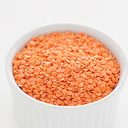 Red lentils (dry)Supports the heart muscleHow it helps your circulation
The heart pumps oxygen-rich blood to the whole body. EPA/DHA and thiamin are authorised to contribute to normal heart function. NIH NHLBIEUR-Lex
The evidenceEU claim Normal heart function · 0.31 mg per portionAll nutrients & evidence for red lentils (dry) →“Thiamine contributes to the normal function of the heart.” EUR-LexEU Commission Beef mince, leanSupports the heart muscleHow it helps your circulation
The heart pumps oxygen-rich blood to the whole body. EPA/DHA and thiamin are authorised to contribute to normal heart function. NIH NHLBIEUR-Lex
The evidenceEU claim Normal heart function · 0.29 mg per portionAll nutrients & evidence for beef mince, lean →“Thiamine contributes to the normal function of the heart.” EUR-LexEU Commission
🏃 Do
How this step works · what slows it down · sources
Oxygen-poor blood returns to the right side of the heart and is pumped to the lungs, which add oxygen. The left ventricle then generates the high pressure needed to pump oxygen-rich blood through the aorta to the whole body. The heart muscle gets its own supply through the coronary arteries. NIH NHLBI
🔻 What can slow this down
- Unhealthy diet, physical inactivity, tobacco use and harmful use of alcohol are the most important behavioural risk factors for heart disease and stroke. WHO
“EU claim” items use the exact wording of Reg. (EU) No 432/2012 EUR-Lex; listed foods meet the legal condition of use (amounts per normal portion, BLS 4.0 / USDA).
-
Arteries stay open and elastic
Root cause: Plaque — fat, cholesterol and calcium — building up in the artery wall after the wall is damaged.
🥗 Eat
- WalnutsKeeps arteries clearHow it helps your circulation
Blood travels through the arteries; plaque made of fat and cholesterol narrows them and reduces blood flow. Most people can prevent or delay plaque with heart-healthy eating — fatty fish, nuts, beans, whole grains and plant oils instead of butter. NIH NHLBINIH NHLBI
One portion (30 g): 1.4 g fibre · 2 g saturated fat
The evidenceEU claim Elastic blood vessels · 30 g per portion“Walnuts contribute to the improvement of the elasticity of blood vessels.” Effect with 30 g of walnuts per day. EUR-LexEU CommissionEU claim Healthier cholesterol · 19 g per portion“Replacing saturated fats in the diet with unsaturated fats contributes to the maintenance of normal blood cholesterol levels.” EUR-LexEU CommissionEU claim Normal cholesterol · 3 g per portion“ALA contributes to the maintenance of normal blood cholesterol levels.” Effect with 2 g of ALA per day. EUR-LexEU CommissionOfficial Heart-healthy staplesAll nutrients & evidence for walnuts →NIH heart-healthy foods: fatty fish such as salmon, nuts and seeds, beans and lentils, whole grains like plain oatmeal, and plant oils such as olive or canola oil instead of butter. NIH NHLBI - SalmonKeeps arteries clearHow it helps your circulation
Blood travels through the arteries; plaque made of fat and cholesterol narrows them and reduces blood flow. Most people can prevent or delay plaque with heart-healthy eating — fatty fish, nuts, beans, whole grains and plant oils instead of butter. NIH NHLBINIH NHLBI
One portion (125 g): 3 g saturated fat
The evidenceEU claim Healthier cholesterol · 8.8 g per portion“Replacing saturated fats in the diet with unsaturated fats contributes to the maintenance of normal blood cholesterol levels.” EUR-LexEU CommissionOfficial Heart-healthy staplesAll nutrients & evidence for salmon →NIH heart-healthy foods: fatty fish such as salmon, nuts and seeds, beans and lentils, whole grains like plain oatmeal, and plant oils such as olive or canola oil instead of butter. NIH NHLBI  Walnut oilKeeps arteries clearHow it helps your circulation
Blood travels through the arteries; plaque made of fat and cholesterol narrows them and reduces blood flow. Most people can prevent or delay plaque with heart-healthy eating — fatty fish, nuts, beans, whole grains and plant oils instead of butter. NIH NHLBINIH NHLBI
One portion (10 g): 0.96 g saturated fat
The evidenceEU claim Healthier cholesterol · 8.6 g per portion“Replacing saturated fats in the diet with unsaturated fats contributes to the maintenance of normal blood cholesterol levels.” EUR-LexEU CommissionEU claim Normal cholesterol · 1.2 g per portionAll nutrients & evidence for walnut oil →“ALA contributes to the maintenance of normal blood cholesterol levels.” Effect with 2 g of ALA per day. EUR-LexEU Commission Red sweet pepperKeeps arteries clearHow it helps your circulation
Blood travels through the arteries; plaque made of fat and cholesterol narrows them and reduces blood flow. Most people can prevent or delay plaque with heart-healthy eating — fatty fish, nuts, beans, whole grains and plant oils instead of butter. NIH NHLBINIH NHLBI
One portion (100 g): 2.2 g fibre · 0.03 g saturated fat
The evidenceEU claim Blood-vessel collagen · 160 mg per portionAll nutrients & evidence for red sweet pepper →“Vitamin C contributes to normal collagen formation for the normal function of blood vessels.” EUR-LexEU Commission- KaleKeeps arteries clearHow it helps your circulation
Blood travels through the arteries; plaque made of fat and cholesterol narrows them and reduces blood flow. Most people can prevent or delay plaque with heart-healthy eating — fatty fish, nuts, beans, whole grains and plant oils instead of butter. NIH NHLBINIH NHLBI
One portion (100 g): 8.4 g fibre · 0.1 g saturated fat
The evidenceEU claim Blood-vessel collagen · 156 mg per portionAll nutrients & evidence for kale →“Vitamin C contributes to normal collagen formation for the normal function of blood vessels.” EUR-LexEU Commission - OrangeKeeps arteries clearHow it helps your circulation
Blood travels through the arteries; plaque made of fat and cholesterol narrows them and reduces blood flow. Most people can prevent or delay plaque with heart-healthy eating — fatty fish, nuts, beans, whole grains and plant oils instead of butter. NIH NHLBINIH NHLBI
One portion (150 g): 3.3 g fibre · 0.04 g saturated fat
The evidenceEU claim Blood-vessel collagen · 93.5 mg per portionAll nutrients & evidence for orange →“Vitamin C contributes to normal collagen formation for the normal function of blood vessels.” EUR-LexEU Commission - StrawberriesKeeps arteries clearHow it helps your circulation
Blood travels through the arteries; plaque made of fat and cholesterol narrows them and reduces blood flow. Most people can prevent or delay plaque with heart-healthy eating — fatty fish, nuts, beans, whole grains and plant oils instead of butter. NIH NHLBINIH NHLBI
One portion (150 g): 3 g fibre · 0.05 g saturated fat
The evidenceEU claim Blood-vessel collagen · 85.3 mg per portionAll nutrients & evidence for strawberries →“Vitamin C contributes to normal collagen formation for the normal function of blood vessels.” EUR-LexEU Commission - Sweet potatoKeeps arteries clearHow it helps your circulation
Blood travels through the arteries; plaque made of fat and cholesterol narrows them and reduces blood flow. Most people can prevent or delay plaque with heart-healthy eating — fatty fish, nuts, beans, whole grains and plant oils instead of butter. NIH NHLBINIH NHLBI
One portion (200 g): 6.3 g fibre · 0 g saturated fat
The evidenceEU claim Blood-vessel collagen · 60 mg per portionAll nutrients & evidence for sweet potato →“Vitamin C contributes to normal collagen formation for the normal function of blood vessels.” EUR-LexEU Commission
🏃 Do
Stop smokingOfficial
Smoking and second-hand smoke damage arteries; nearly a third of coronary heart disease deaths are linked to them. NIH NHLBI
How this step works · what slows it down · sources
Arteries carry oxygen-rich blood away from the heart. In atherosclerosis a sticky plaque — made of fat, cholesterol, calcium and other substances from the blood — builds up in artery walls after they are damaged. The arteries narrow, blood flow drops, and blood clots become more likely. NIH NHLBINIH NHLBINIH NHLBI
🔻 What can slow this down
- High blood pressure, high blood sugar (diabetes), smoking or second-hand smoke, inflammatory diseases, physical inactivity, overweight, older age and genes all raise the risk. NIH NHLBI
- Eating a lot of foods high in saturated fat can increase cholesterol levels; drinking too much alcohol can raise total cholesterol. NIH NHLBI
✅ Also helps
- Most people can prevent or delay atherosclerosis with heart-healthy living, and healthy lifestyle changes and medicines can sometimes reverse it. NIH NHLBI
“EU claim” items use the exact wording of Reg. (EU) No 432/2012 EUR-Lex; listed foods meet the legal condition of use (amounts per normal portion, BLS 4.0 / USDA).
-
Blood pressure stays in the healthy range
Root cause: Too much sodium, too little potassium, extra weight and inactivity keep the pressure high.
🥗 Eat
- Potato, unpeeledHelps keep blood pressure healthyHow it helps your circulation
High blood pressure damages artery walls over time, and too much sodium raises it. The DASH plan — vegetables, fruit, whole grains, low-fat dairy and beans — and potassium help keep it in the healthy range. NIH NHLBINIH NHLBINIH NHLBIEUR-Lex
One portion (200 g): 926 mg Potassium · 20 mg Sodium
The evidenceEU claim Normal blood pressure · 926 mg per portion“Potassium contributes to the maintenance of normal blood pressure.” EUR-LexEU CommissionOfficial DASH plan foodsAll nutrients & evidence for potato, unpeeled → - SpinachHelps keep blood pressure healthyHow it helps your circulation
High blood pressure damages artery walls over time, and too much sodium raises it. The DASH plan — vegetables, fruit, whole grains, low-fat dairy and beans — and potassium help keep it in the healthy range. NIH NHLBINIH NHLBINIH NHLBIEUR-Lex
One portion (100 g): 573 mg Potassium · 50 mg Sodium
The evidenceOfficial DASH plan foodsTrials Nitrate → nitric oxideAll nutrients & evidence for spinach →Leafy greens and beetroot are rich in nitrate, which the body turns (via nitrite) into nitric oxide, the signal that widens blood vessels. In a meta-analysis of 16 trials, nitrate or beetroot juice lowered systolic blood pressure by about 4.4 mm Hg. Studied for blood pressure and vessel function, not long-term outcomes. PubMed studyPubMed study - Sweet potatoHelps keep blood pressure healthyHow it helps your circulation
High blood pressure damages artery walls over time, and too much sodium raises it. The DASH plan — vegetables, fruit, whole grains, low-fat dairy and beans — and potassium help keep it in the healthy range. NIH NHLBINIH NHLBINIH NHLBIEUR-Lex
One portion (200 g): 720 mg Potassium · 8 mg Sodium
The evidenceEU claim Normal blood pressure · 720 mg per portionAll nutrients & evidence for sweet potato →“Potassium contributes to the maintenance of normal blood pressure.” EUR-LexEU Commission - Edamame (immature soya beans)Helps keep blood pressure healthyHow it helps your circulation
High blood pressure damages artery walls over time, and too much sodium raises it. The DASH plan — vegetables, fruit, whole grains, low-fat dairy and beans — and potassium help keep it in the healthy range. NIH NHLBINIH NHLBINIH NHLBIEUR-Lex
One portion (100 g): 620 mg Potassium · 15 mg Sodium
The evidenceEU claim Normal blood pressure · 620 mg per portionAll nutrients & evidence for edamame (immature soya beans) →“Potassium contributes to the maintenance of normal blood pressure.” EUR-LexEU Commission 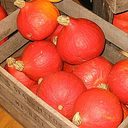 Hokkaido pumpkinHelps keep blood pressure healthyHow it helps your circulation
High blood pressure damages artery walls over time, and too much sodium raises it. The DASH plan — vegetables, fruit, whole grains, low-fat dairy and beans — and potassium help keep it in the healthy range. NIH NHLBINIH NHLBINIH NHLBIEUR-Lex
One portion (150 g): 611 mg Potassium · 10.5 mg Sodium
The evidenceEU claim Normal blood pressure · 611 mg per portionAll nutrients & evidence for hokkaido pumpkin →“Potassium contributes to the maintenance of normal blood pressure.” EUR-LexEU Commission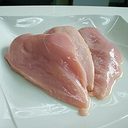 Chicken breast, skinlessHelps keep blood pressure healthyHow it helps your circulation
High blood pressure damages artery walls over time, and too much sodium raises it. The DASH plan — vegetables, fruit, whole grains, low-fat dairy and beans — and potassium help keep it in the healthy range. NIH NHLBINIH NHLBINIH NHLBIEUR-Lex
One portion (150 g): 603 mg Potassium · 89.4 mg Sodium
The evidenceEU claim Normal blood pressure · 603 mg per portionAll nutrients & evidence for chicken breast, skinless →“Potassium contributes to the maintenance of normal blood pressure.” EUR-LexEU Commission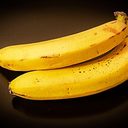 BananaHelps keep blood pressure healthyHow it helps your circulation
High blood pressure damages artery walls over time, and too much sodium raises it. The DASH plan — vegetables, fruit, whole grains, low-fat dairy and beans — and potassium help keep it in the healthy range. NIH NHLBINIH NHLBINIH NHLBIEUR-Lex
One portion (120 g): 401 mg Potassium · 0.62 mg Sodium
The evidenceOfficial DASH plan foodsAll nutrients & evidence for banana →- Kidney beans, canned, drainedHelps keep blood pressure healthyHow it helps your circulation
High blood pressure damages artery walls over time, and too much sodium raises it. The DASH plan — vegetables, fruit, whole grains, low-fat dairy and beans — and potassium help keep it in the healthy range. NIH NHLBINIH NHLBINIH NHLBIEUR-Lex
One portion (120 g): 365 mg Potassium · 299 mg Sodium
The evidenceOfficial DASH plan foodsAll nutrients & evidence for kidney beans, canned, drained →
🏃 Do
🚫 Cut down on
How this step works · what slows it down · sources
Blood pressure is the force of the blood on the walls of your arteries. It counts as high when readings are consistently 130 mm Hg systolic or higher, or 80 mm Hg diastolic or higher. Over time, high blood pressure can damage artery walls and let plaque build up. NIH NHLBINIH NHLBI
🔻 What can slow this down
✅ Also helps
“EU claim” items use the exact wording of Reg. (EU) No 432/2012 EUR-Lex; listed foods meet the legal condition of use (amounts per normal portion, BLS 4.0 / USDA).
-
Red blood cells carry oxygen
Root cause: Too little iron (or vitamin B12, folate), blood loss, or poor absorption.
🥗 Eat
- Red lentils (dry)Helps blood carry oxygenHow it helps your circulation
Red blood cells carry oxygen, and your body needs iron to make them. Vitamin C helps you absorb the iron in a meal. NIH NHLBIEUR-Lex
One portion (60 g): 4.4 mg Iron · 1 mg Vitamin C
The evidenceEU claim Makes red blood cells · 4.4 mg per portion“Iron contributes to normal formation of red blood cells and haemoglobin.” EUR-LexEU CommissionEU claim Carries oxygen · 4.4 mg per portion“Iron contributes to normal oxygen transport in the body.” EUR-LexEU CommissionEU claim Blood formation · 107 µg per portion“Folate contributes to normal blood formation.” EUR-LexEU CommissionEU claim Moves iron · 0.78 mg per portionAll nutrients & evidence for red lentils (dry) →“Copper contributes to normal iron transport in the body.” EUR-LexEU Commission - TofuHelps blood carry oxygenHow it helps your circulation
Red blood cells carry oxygen, and your body needs iron to make them. Vitamin C helps you absorb the iron in a meal. NIH NHLBIEUR-Lex
One portion (150 g): 4.3 mg Iron
The evidenceEU claim Makes red blood cells · 4.3 mg per portion“Iron contributes to normal formation of red blood cells and haemoglobin.” EUR-LexEU CommissionEU claim Carries oxygen · 4.3 mg per portion“Iron contributes to normal oxygen transport in the body.” EUR-LexEU CommissionEU claim Moves iron · 0.41 mg per portion“Copper contributes to normal iron transport in the body.” EUR-LexEU CommissionOfficial Iron-rich foodsAll nutrients & evidence for tofu →NIH lists beans, dried fruit, eggs, lean red meat, salmon, iron-fortified cereals, peas, tofu and dark green leafy vegetables. NIH NHLBI - Beef rump (lean red meat)Helps blood carry oxygenHow it helps your circulation
Red blood cells carry oxygen, and your body needs iron to make them. Vitamin C helps you absorb the iron in a meal. NIH NHLBIEUR-Lex
One portion (125 g): 3.3 mg Iron
The evidenceEU claim Makes red blood cells · 3.3 mg per portion“Iron contributes to normal formation of red blood cells and haemoglobin.” EUR-LexEU CommissionEU claim Carries oxygen · 3.3 mg per portion“Iron contributes to normal oxygen transport in the body.” EUR-LexEU CommissionEU claim Red blood cells · 2.3 µg per portion“Vitamin B12 contributes to normal red blood cell formation.” EUR-LexEU CommissionOfficial Iron-rich foodsAll nutrients & evidence for beef rump (lean red meat) →NIH lists beans, dried fruit, eggs, lean red meat, salmon, iron-fortified cereals, peas, tofu and dark green leafy vegetables. NIH NHLBI 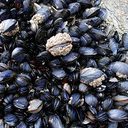 MusselsHelps blood carry oxygenHow it helps your circulation
Red blood cells carry oxygen, and your body needs iron to make them. Vitamin C helps you absorb the iron in a meal. NIH NHLBIEUR-Lex
One portion (150 g): 12.7 mg Iron · 4.8 mg Vitamin C
The evidenceEU claim Makes red blood cells · 12.7 mg per portion“Iron contributes to normal formation of red blood cells and haemoglobin.” EUR-LexEU CommissionEU claim Carries oxygen · 12.7 mg per portion“Iron contributes to normal oxygen transport in the body.” EUR-LexEU CommissionEU claim Red blood cells · 12 µg per portionAll nutrients & evidence for mussels →“Vitamin B12 contributes to normal red blood cell formation.” EUR-LexEU Commission- Eggs, boiledHelps blood carry oxygenHow it helps your circulation
Red blood cells carry oxygen, and your body needs iron to make them. Vitamin C helps you absorb the iron in a meal. NIH NHLBIEUR-Lex
One portion (120 g): 2.4 mg Iron
The evidenceEU claim Red blood cells · 2.4 µg per portion“Vitamin B12 contributes to normal red blood cell formation.” EUR-LexEU CommissionEU claim Blood formation · 104 µg per portion“Folate contributes to normal blood formation.” EUR-LexEU CommissionOfficial Iron-rich foodsAll nutrients & evidence for eggs, boiled →NIH lists beans, dried fruit, eggs, lean red meat, salmon, iron-fortified cereals, peas, tofu and dark green leafy vegetables. NIH NHLBI - KaleHelps blood carry oxygenHow it helps your circulation
Red blood cells carry oxygen, and your body needs iron to make them. Vitamin C helps you absorb the iron in a meal. NIH NHLBIEUR-Lex
One portion (100 g): 1.1 mg Iron · 156 mg Vitamin C
The evidenceEU claim Blood formation · 187 µg per portion“Folate contributes to normal blood formation.” EUR-LexEU CommissionEU claim Absorbs more iron · 156 mg per portionAll nutrients & evidence for kale →“Vitamin C increases iron absorption.” EUR-LexEU Commission - OrangeHelps blood carry oxygenHow it helps your circulation
Red blood cells carry oxygen, and your body needs iron to make them. Vitamin C helps you absorb the iron in a meal. NIH NHLBIEUR-Lex
One portion (150 g): 0.27 mg Iron · 93.5 mg Vitamin C
The evidenceEU claim Absorbs more iron · 93.5 mg per portion“Vitamin C increases iron absorption.” EUR-LexEU CommissionOfficial Vitamin C with ironAll nutrients & evidence for orange →Oranges, strawberries and tomatoes help your body absorb iron from a meal. NIH NHLBI - StrawberriesHelps blood carry oxygenHow it helps your circulation
Red blood cells carry oxygen, and your body needs iron to make them. Vitamin C helps you absorb the iron in a meal. NIH NHLBIEUR-Lex
One portion (150 g): 0.69 mg Iron · 85.3 mg Vitamin C
The evidenceEU claim Absorbs more iron · 85.3 mg per portion“Vitamin C increases iron absorption.” EUR-LexEU CommissionOfficial Vitamin C with ironAll nutrients & evidence for strawberries →Oranges, strawberries and tomatoes help your body absorb iron from a meal. NIH NHLBI
🚫 Cut down on
Black tea with mealsOfficial
Black tea can reduce iron absorption. NIH NHLBI
How this step works · what slows it down · sources
Anaemia develops when your blood makes fewer healthy red blood cells than normal, so your body does not get enough oxygen-rich blood. The body needs iron to make healthy red blood cells. NIH NHLBINIH NHLBI
🔻 What can slow this down
“EU claim” items use the exact wording of Reg. (EU) No 432/2012 EUR-Lex; listed foods meet the legal condition of use (amounts per normal portion, BLS 4.0 / USDA).
🍽️ The eating pattern that ties it together
Heart-healthy eating: vegetables, fruits, whole grains, low-fat dairy, fatty fish, beans, nuts and seeds; less sodium, saturated fat, added sugars and alcohol. NIH NHLBI
Authorised claims say a nutrient contributes to a normal body function. They do not mean that eating more than you need improves that function, or that a food treats any condition. Population studies show associations, not proof of cause.
Meal options built from this flow
Pick any option per meal. Ranked by how well one portion covers this goal's targets and how many steps above its foods support (reference adult, everything diet). The planner adapts portions, diet type and allergies.
Breakfast — pick one of 3
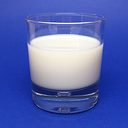 Milk, 1.5% fat
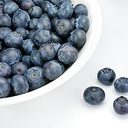 Blueberries
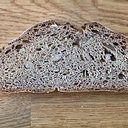 Wholemeal rye bread
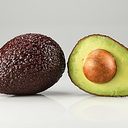 Avocado
Lunch — pick one of 3
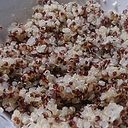 Quinoa, boiled
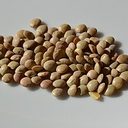 Lentils, boiled 150 g ·
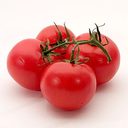 Tomatoes 100 g ·
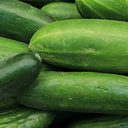 Cucumber 80 g · Red sweet pepper 60 g · Walnuts 15 g ·
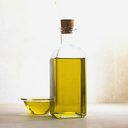 Olive oil 10 g ·
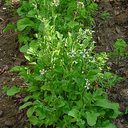 Rocket (arugula) 20 gMackerel 100 g ·
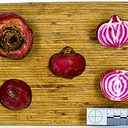 Beetroot 100 g · Potato, unpeeled 150 g ·
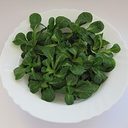 Lamb's lettuce 40 g ·
 Linseed (flaxseed) oil 5 g
Dinner — pick one of 3
 Shrimp 120 g ·
 Buckwheat groats (dry) 50 g · Red sweet pepper 80 g ·
 Broccoli 80 g ·
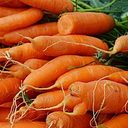 Carrots 60 g ·
 Rapeseed (canola) oil 5 g
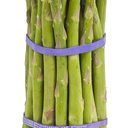 AsparagusEggs, boiled 180 g (3 eggs) ·
 Courgette (zucchini) 100 g · Red sweet pepper 60 g ·
 Emmental cheese 20 g · Lamb's lettuce 40 g ·
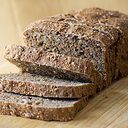 Wholemeal bread 40 g · Olive oil 5 g
Snack — pick one of 3
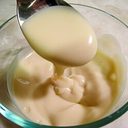 Soya yogurt alternative, fortified
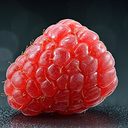 Raspberries
 Hummus
In short
Walnuts are authorised in the EU to contribute to the improvement of the elasticity of blood vessels (30 g per day). Vitamin C contributes to normal collagen formation for the normal function of blood vessels, and potassium to normal blood pressure.
What official sources say
Key nutrients & daily targets
Shown for a reference adult (40-year-old man, 75 kg, ~2600 kcal). Your plan recalculates these for your age, sex and weight.
| Nutrient | Daily target | Basis |
|---|---|---|
| Walnuts | 30 g | EU authorised claim condition: 30 g walnuts per day EUR-Lex |
| Vitamin C | 90 mg | NIH ODS Recommended Dietary Allowance / Adequate Intake for your age and sex NIH ODS |
| EPA + DHA (long-chain omega-3) | 250 mg (weekly avg) | EFSA Adequate Intake 250 mg/day for adults (weekly average) EFSA |
| Potassium | 3400 mg | NIH ODS Recommended Dietary Allowance / Adequate Intake for your age and sex NIH ODS |
| Fruit & vegetables | 400 g | WHO: at least 400 g of fruit and vegetables a day (potatoes do not count) WHO |
All authorised EU health claims for this goal (4)
Exact wording from Regulation (EU) No 432/2012. A food may only carry a claim if it meets the legal condition of use — on each food page we show the numbers that meet (or miss) it.
Potassium contributes to the maintenance of normal blood pressure.EUR-LexEU CommissionNIH ODS
Vitamin C contributes to normal collagen formation for the normal function of blood vessels.EUR-LexEU CommissionNIH ODS
Walnuts contribute to the improvement of the elasticity of blood vessels.
EPA and DHA contribute to the normal function of the heart.
Foods ranked by nutrient content (14)
Ranked by how much of the daily target one normal portion provides (nutrient values: BLS 4.0 / USDA FDC), plus authorised claims the food qualifies for.
Walnuts · 30 g
Salmon · 125 g
Herring · 125 g
Mackerel · 125 g
Orange · 150 g
Broccoli · 150 g
Red sweet pepper · 100 g
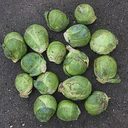 Brussels sprouts · 120 g
Kale · 100 g
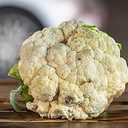 Cauliflower · 150 g
 Trout · 125 g
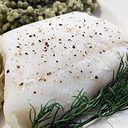 Cod · 150 g
Strawberries · 150 g
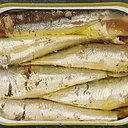 Sardines in oil, drained · 90 g
Example day from a blood flow & blood vessels plan
Generated automatically for the reference adult. Your plan adapts portions, diet type and allergies.
Eggs, boiled 180 g (3 eggs) · Wholemeal bread 110 g · Spinach 50 g · Tomatoes 100 g · Olive oil 10 g Tuna, canned, drained 130 g · Kidney beans, canned, drained 180 g · Red sweet pepper 60 g ·
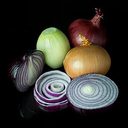 Onion 30 g ·
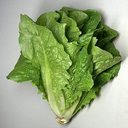 Romaine lettuce 60 g · Olive oil 20 g
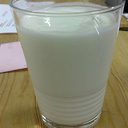 Kefir, low-fat 350 g ·
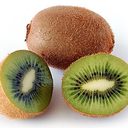 Kiwi fruit 130 g
Sources
- Commission Regulation (EU) No 432/2012 — list of permitted health claims (consolidated) — European Union (EUR-Lex)
- EU Register of nutrition and health claims made on foods — European Commission
- Cardiovascular diseases (CVDs) — fact sheet — World Health Organization
- How blood flows through the heart — NIH NHLBI
- Physical activity guidelines for adults — US Centers for Disease Control and Prevention
- Physical activity — fact sheet — World Health Organization
- Atherosclerosis — causes and risk factors — NIH NHLBI
- Heart-healthy living: choose heart-healthy foods — NIH NHLBI
- Alcohol — fact sheet — World Health Organization
- Atherosclerosis — NIH NHLBI
- Saturated fatty acid and trans-fatty acid intake for adults and children: WHO guideline (2023) — World Health Organization
- High blood pressure — NIH NHLBI
- DASH eating plan — NIH NHLBI
- Guideline: Potassium intake for adults and children (2012) — World Health Organization
- Vascular effects of dietary nitrate (as found in green leafy vegetables and beetroot) via the nitrate-nitrite-nitric oxide pathway — Lidder S, Webb AJ. Br J Clin Pharmacol 2013 (PubMed 22882425) — review
- Inorganic nitrate and beetroot juice supplementation reduces blood pressure in adults — Siervo M et al. J Nutr 2013 (PubMed 23596162) — meta-analysis of 16 trials
- Sodium reduction — fact sheet — World Health Organization
- Anemia — NIH NHLBI
- Iron-deficiency anemia — NIH NHLBI
- Bundeslebensmittelschlüssel (BLS) 4.0 — German Nutrient Database — Max Rubner-Institut
- FoodData Central — USDA Agricultural Research Service