⚖️ Best foods for healthy weight loss
What to do — the quick answer
Tap any line for the reason, the evidence level and the source. The full step-by-step explanation follows below.
🥗 Eat more of
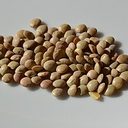 Lentils, boiledFibre helps prevent weight gainHow it helps you lose weight
You lose weight when you take in fewer calories than you use. Strong evidence shows that foods containing fibre protect against weight gain, and WHO advises getting carbohydrates mainly from whole grains, vegetables, fruit and pulses. NIH NIDDKWorld Cancer Research Fund InternationalWHO
One portion (150 g): 179 kcal · 10.8 g fibre
The evidenceOfficial Fruit, veg & whole grains Step 1Official Fibre — fuller longer Step 1All nutrients & evidence for lentils, boiled →Strong evidence shows that foods containing dietary fibre protect against weight gain; aim for at least 30 g of fibre a day from food. World Cancer Research Fund International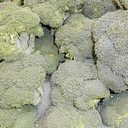 BroccoliFibre helps prevent weight gainHow it helps you lose weight
You lose weight when you take in fewer calories than you use. Strong evidence shows that foods containing fibre protect against weight gain, and WHO advises getting carbohydrates mainly from whole grains, vegetables, fruit and pulses. NIH NIDDKWorld Cancer Research Fund InternationalWHO
One portion (150 g): 53 kcal · 4.5 g fibre
The evidenceOfficial Fruit, veg & whole grains Step 1All nutrients & evidence for broccoli →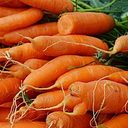 CarrotsFibre helps prevent weight gainHow it helps you lose weight
You lose weight when you take in fewer calories than you use. Strong evidence shows that foods containing fibre protect against weight gain, and WHO advises getting carbohydrates mainly from whole grains, vegetables, fruit and pulses. NIH NIDDKWorld Cancer Research Fund InternationalWHO
One portion (100 g): 40 kcal · 2.9 g fibre
The evidenceOfficial Fruit, veg & whole grains Step 1All nutrients & evidence for carrots →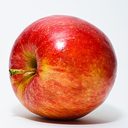 AppleFibre helps prevent weight gainHow it helps you lose weight
You lose weight when you take in fewer calories than you use. Strong evidence shows that foods containing fibre protect against weight gain, and WHO advises getting carbohydrates mainly from whole grains, vegetables, fruit and pulses. NIH NIDDKWorld Cancer Research Fund InternationalWHO
One portion (150 g): 87 kcal · 3.4 g fibre
The evidenceOfficial Fruit, veg & whole grains Step 1All nutrients & evidence for apple →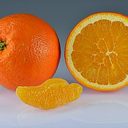 OrangeFibre helps prevent weight gainHow it helps you lose weight
You lose weight when you take in fewer calories than you use. Strong evidence shows that foods containing fibre protect against weight gain, and WHO advises getting carbohydrates mainly from whole grains, vegetables, fruit and pulses. NIH NIDDKWorld Cancer Research Fund InternationalWHO
One portion (150 g): 74 kcal · 3.3 g fibre
The evidenceOfficial Fruit, veg & whole grains Step 1All nutrients & evidence for orange →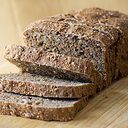 Wholemeal breadFibre helps prevent weight gainHow it helps you lose weight
You lose weight when you take in fewer calories than you use. Strong evidence shows that foods containing fibre protect against weight gain, and WHO advises getting carbohydrates mainly from whole grains, vegetables, fruit and pulses. NIH NIDDKWorld Cancer Research Fund InternationalWHO
One portion (80 g): 168 kcal · 8 g fibre
The evidenceOfficial Fruit, veg & whole grains Step 1All nutrients & evidence for wholemeal bread →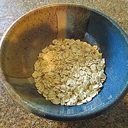 Oat flakes (rolled oats)Fibre helps prevent weight gainHow it helps you lose weight
You lose weight when you take in fewer calories than you use. Strong evidence shows that foods containing fibre protect against weight gain, and WHO advises getting carbohydrates mainly from whole grains, vegetables, fruit and pulses. NIH NIDDKWorld Cancer Research Fund InternationalWHO
One portion (50 g): 174 kcal · 5.5 g fibre
The evidenceOfficial Fibre — fuller longer Step 1All nutrients & evidence for oat flakes (rolled oats) →Strong evidence shows that foods containing dietary fibre protect against weight gain; aim for at least 30 g of fibre a day from food. World Cancer Research Fund International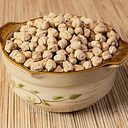 Chickpeas, canned, drainedFibre helps prevent weight gainHow it helps you lose weight
You lose weight when you take in fewer calories than you use. Strong evidence shows that foods containing fibre protect against weight gain, and WHO advises getting carbohydrates mainly from whole grains, vegetables, fruit and pulses. NIH NIDDKWorld Cancer Research Fund InternationalWHO
One portion (120 g): 163 kcal · 11.8 g fibre
The evidenceOfficial Fibre — fuller longer Step 1All nutrients & evidence for chickpeas, canned, drained →Strong evidence shows that foods containing dietary fibre protect against weight gain; aim for at least 30 g of fibre a day from food. World Cancer Research Fund International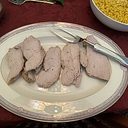 Turkey breast, skinlessKeeps muscle while you loseHow it helps you lose weight
Losing weight slowly, about 0.5–1 kg a week, makes it more likely you keep it off. Protein is authorised to contribute to the maintenance of muscle mass. CDCEUR-Lex
One portion (150 g): 36.1 g Protein · 158 kcal
The evidenceEU claim Keeps muscle · 36.1 g per portion Step 3All nutrients & evidence for turkey breast, skinless →“Protein contributes to the maintenance of muscle mass.” EUR-LexEU Commission TroutKeeps muscle while you loseHow it helps you lose weight
Losing weight slowly, about 0.5–1 kg a week, makes it more likely you keep it off. Protein is authorised to contribute to the maintenance of muscle mass. CDCEUR-Lex
One portion (125 g): 26.9 g Protein · 195 kcal
The evidenceEU claim Keeps muscle · 26.9 g per portion Step 3All nutrients & evidence for trout →“Protein contributes to the maintenance of muscle mass.” EUR-LexEU Commission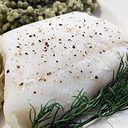 CodKeeps muscle while you loseHow it helps you lose weight
Losing weight slowly, about 0.5–1 kg a week, makes it more likely you keep it off. Protein is authorised to contribute to the maintenance of muscle mass. CDCEUR-Lex
One portion (150 g): 26.7 g Protein · 119 kcal
The evidenceEU claim Keeps muscle · 26.7 g per portion Step 3All nutrients & evidence for cod →“Protein contributes to the maintenance of muscle mass.” EUR-LexEU Commission
🏃 Do
Evidence: EU claim EU-authorised claim · Official Official guidance · Trials Clinical trials · Study Population study · Review Scientific review
Turn this into my daily lose weight plan → How it works, step by step ↓
How body weight changes
Weight depends on the balance between the energy you eat and the energy you use — and many things influence both sides. NIH NIDDK
-
Energy in vs. energy out
Root cause: More calories in than out, often from high-calorie, sugary or fatty foods and drinks.
🥗 Eat
- Lentils, boiledFibre helps prevent weight gainHow it helps you lose weight
You lose weight when you take in fewer calories than you use. Strong evidence shows that foods containing fibre protect against weight gain, and WHO advises getting carbohydrates mainly from whole grains, vegetables, fruit and pulses. NIH NIDDKWorld Cancer Research Fund InternationalWHO
One portion (150 g): 179 kcal · 10.8 g fibre
The evidenceOfficial Fruit, veg & whole grainsOfficial Fibre — fuller longerAll nutrients & evidence for lentils, boiled →Strong evidence shows that foods containing dietary fibre protect against weight gain; aim for at least 30 g of fibre a day from food. World Cancer Research Fund International - BroccoliFibre helps prevent weight gainHow it helps you lose weight
You lose weight when you take in fewer calories than you use. Strong evidence shows that foods containing fibre protect against weight gain, and WHO advises getting carbohydrates mainly from whole grains, vegetables, fruit and pulses. NIH NIDDKWorld Cancer Research Fund InternationalWHO
One portion (150 g): 53 kcal · 4.5 g fibre
The evidenceOfficial Fruit, veg & whole grainsAll nutrients & evidence for broccoli → - CarrotsFibre helps prevent weight gainHow it helps you lose weight
You lose weight when you take in fewer calories than you use. Strong evidence shows that foods containing fibre protect against weight gain, and WHO advises getting carbohydrates mainly from whole grains, vegetables, fruit and pulses. NIH NIDDKWorld Cancer Research Fund InternationalWHO
One portion (100 g): 40 kcal · 2.9 g fibre
The evidenceOfficial Fruit, veg & whole grainsAll nutrients & evidence for carrots → - AppleFibre helps prevent weight gainHow it helps you lose weight
You lose weight when you take in fewer calories than you use. Strong evidence shows that foods containing fibre protect against weight gain, and WHO advises getting carbohydrates mainly from whole grains, vegetables, fruit and pulses. NIH NIDDKWorld Cancer Research Fund InternationalWHO
One portion (150 g): 87 kcal · 3.4 g fibre
The evidenceOfficial Fruit, veg & whole grainsAll nutrients & evidence for apple → - OrangeFibre helps prevent weight gainHow it helps you lose weight
You lose weight when you take in fewer calories than you use. Strong evidence shows that foods containing fibre protect against weight gain, and WHO advises getting carbohydrates mainly from whole grains, vegetables, fruit and pulses. NIH NIDDKWorld Cancer Research Fund InternationalWHO
One portion (150 g): 74 kcal · 3.3 g fibre
The evidenceOfficial Fruit, veg & whole grainsAll nutrients & evidence for orange → - Wholemeal breadFibre helps prevent weight gainHow it helps you lose weight
You lose weight when you take in fewer calories than you use. Strong evidence shows that foods containing fibre protect against weight gain, and WHO advises getting carbohydrates mainly from whole grains, vegetables, fruit and pulses. NIH NIDDKWorld Cancer Research Fund InternationalWHO
One portion (80 g): 168 kcal · 8 g fibre
The evidenceOfficial Fruit, veg & whole grainsAll nutrients & evidence for wholemeal bread → - Oat flakes (rolled oats)Fibre helps prevent weight gainHow it helps you lose weight
You lose weight when you take in fewer calories than you use. Strong evidence shows that foods containing fibre protect against weight gain, and WHO advises getting carbohydrates mainly from whole grains, vegetables, fruit and pulses. NIH NIDDKWorld Cancer Research Fund InternationalWHO
One portion (50 g): 174 kcal · 5.5 g fibre
The evidenceOfficial Fibre — fuller longerAll nutrients & evidence for oat flakes (rolled oats) →Strong evidence shows that foods containing dietary fibre protect against weight gain; aim for at least 30 g of fibre a day from food. World Cancer Research Fund International - Chickpeas, canned, drainedFibre helps prevent weight gainHow it helps you lose weight
You lose weight when you take in fewer calories than you use. Strong evidence shows that foods containing fibre protect against weight gain, and WHO advises getting carbohydrates mainly from whole grains, vegetables, fruit and pulses. NIH NIDDKWorld Cancer Research Fund InternationalWHO
One portion (120 g): 163 kcal · 11.8 g fibre
The evidenceOfficial Fibre — fuller longerAll nutrients & evidence for chickpeas, canned, drained →Strong evidence shows that foods containing dietary fibre protect against weight gain; aim for at least 30 g of fibre a day from food. World Cancer Research Fund International
How this step works · what slows it down · sources
If you take in more calories from food and drinks than you use through physical activity and daily living, the extra is stored as fat, and over time you gain weight. NIH NIDDKWHO
🔻 What can slow this down
- Eating and drinking a lot of high-calorie, sugary or fatty foods and sugary drinks, and spending long periods sitting. NIH NIDDK
The advice for this step comes from official health agencies and published research — the badge on each line shows which.
-
What pushes the balance
Root cause: Short sleep, long-term stress, sitting a lot, some medicines and genes.
🏃 Do
Sleep 7–9 hoursOfficial
Not getting enough sleep is linked to weight gain; adults should aim for 7 to 9 hours a night. NIH NIDDK
How this step works · what slows it down · sources
Your food and activity environment, sleep, long-term stress, some medicines, some health conditions and your genes all affect appetite, activity and weight. NIH NIDDK
The advice for this step comes from official health agencies and published research — the badge on each line shows which.
-
Lose slowly, keep muscle
Root cause: Losing too fast costs muscle and is hard to keep up.
🥗 Eat
- Turkey breast, skinlessKeeps muscle while you loseHow it helps you lose weight
Losing weight slowly, about 0.5–1 kg a week, makes it more likely you keep it off. Protein is authorised to contribute to the maintenance of muscle mass. CDCEUR-Lex
One portion (150 g): 36.1 g Protein · 158 kcal
The evidenceEU claim Keeps muscle · 36.1 g per portionAll nutrients & evidence for turkey breast, skinless →“Protein contributes to the maintenance of muscle mass.” EUR-LexEU Commission - TroutKeeps muscle while you loseHow it helps you lose weight
Losing weight slowly, about 0.5–1 kg a week, makes it more likely you keep it off. Protein is authorised to contribute to the maintenance of muscle mass. CDCEUR-Lex
One portion (125 g): 26.9 g Protein · 195 kcal
The evidenceEU claim Keeps muscle · 26.9 g per portionAll nutrients & evidence for trout →“Protein contributes to the maintenance of muscle mass.” EUR-LexEU Commission - CodKeeps muscle while you loseHow it helps you lose weight
Losing weight slowly, about 0.5–1 kg a week, makes it more likely you keep it off. Protein is authorised to contribute to the maintenance of muscle mass. CDCEUR-Lex
One portion (150 g): 26.7 g Protein · 119 kcal
The evidenceEU claim Keeps muscle · 26.7 g per portionAll nutrients & evidence for cod →“Protein contributes to the maintenance of muscle mass.” EUR-LexEU Commission 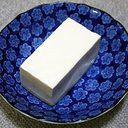 TofuKeeps muscle while you loseHow it helps you lose weight
Losing weight slowly, about 0.5–1 kg a week, makes it more likely you keep it off. Protein is authorised to contribute to the maintenance of muscle mass. CDCEUR-Lex
One portion (150 g): 23.3 g Protein · 173 kcal
The evidenceEU claim Keeps muscle · 23.3 g per portionAll nutrients & evidence for tofu →“Protein contributes to the maintenance of muscle mass.” EUR-LexEU Commission
🏃 Do
Strength training 2×/weekOfficial
Do muscle-strengthening activities on 2 or more days a week that work all major muscle groups: legs, hips, back, abdomen, chest, shoulders and arms. CDC
How this step works · what slows it down · sources
People who lose weight gradually and steadily — about 0.5–1 kg (1–2 lb) a week — are more likely to keep it off. Health professionals suggest losing 5 % to 10 % of your starting weight over about 6 months. CDCNIH NHLBI
“EU claim” items use the exact wording of Reg. (EU) No 432/2012 EUR-Lex; listed foods meet the legal condition of use (amounts per normal portion, BLS 4.0 / USDA).
Authorised claims say a nutrient contributes to a normal body function. They do not mean that eating more than you need improves that function, or that a food treats any condition. Population studies show associations, not proof of cause.
Meal options built from this flow
Pick any option per meal. Ranked by how well one portion covers this goal's targets and how many steps above its foods support (reference adult, everything diet). The planner adapts portions, diet type and allergies.
Breakfast — pick one of 3
 Eggs, boiledTofu 150 g ·
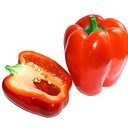 Red sweet pepper 80 g ·
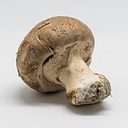 Button mushrooms 80 g ·
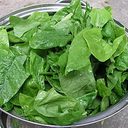 Spinach 40 g ·
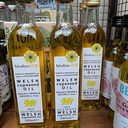 Rapeseed (canola) oil 5 g · Wholemeal bread 50 g
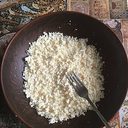 Cottage cheese
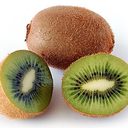 Kiwi fruit
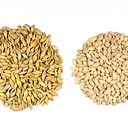 Wheat germ
Lunch — pick one of 3
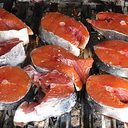 Salmon
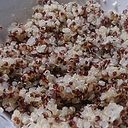 Quinoa, boiledTofu 120 g ·
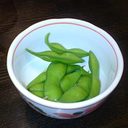 Edamame (immature soya beans) 80 g · Broccoli 80 g · Red sweet pepper 60 g ·
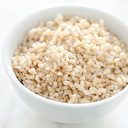 Brown rice, boiled 150 g · Rapeseed (canola) oil 5 g
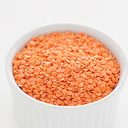 Red lentils (dry) 60 g ·
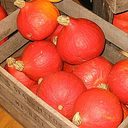 Hokkaido pumpkin 150 g · Carrots 60 g ·
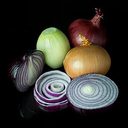 Onion 40 g · Rapeseed (canola) oil 5 g · Wholemeal bread 40 g
Dinner — pick one of 3
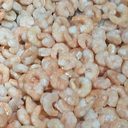 Shrimp 120 g ·
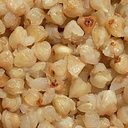 Buckwheat groats (dry) 50 g · Red sweet pepper 80 g · Broccoli 80 g · Carrots 60 g · Rapeseed (canola) oil 5 gLentils, boiled 150 g ·
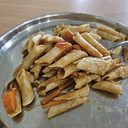 Wholemeal pasta, boiled 150 g ·
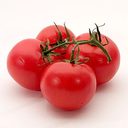 Tomatoes 150 g · Carrots 60 g · Onion 40 g ·
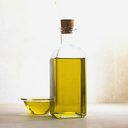 Olive oil 5 g
 Alaska pollock
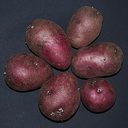 Potato, unpeeled
Snack — pick one of 3
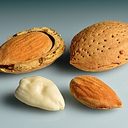 Almonds
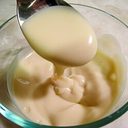 Soya yogurt alternative, fortified
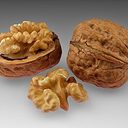 Walnuts
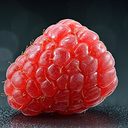 Raspberries
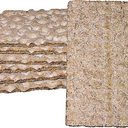 Wholemeal rye crispbread
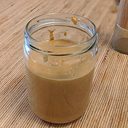 Peanut butter (100% peanuts)
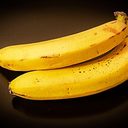 Banana
In short
WHO links overweight and obesity to an imbalance between calories consumed and calories expended. US health agencies recommend gradual weight loss (about 0.5–1 kg a week) together with physical activity. This plan lowers energy while keeping protein, fibre and vegetables high, so meals stay filling and nutrient-dense.
What official sources say
Key nutrients & daily targets
Shown for a reference adult (40-year-old man, 75 kg, ~2100 kcal). Your plan recalculates these for your age, sex and weight.
| Nutrient | Daily target | Basis |
|---|---|---|
| Dietary fibre | 25 g | EFSA Adequate Intake 25 g/day for adults; WHO (2023) recommends at least 25 g/day of naturally occurring fibre WHO |
| Fruit & vegetables | 400 g | WHO: at least 400 g of fruit and vegetables a day (potatoes do not count) WHO |
| Protein | 62 g | EFSA Population Reference Intake 0.83 g per kg body weight per day EFSA |
| Potassium | 3400 mg | NIH ODS Recommended Dietary Allowance / Adequate Intake for your age and sex NIH ODS |
All authorised EU health claims for this goal (1)
Exact wording from Regulation (EU) No 432/2012. A food may only carry a claim if it meets the legal condition of use — on each food page we show the numbers that meet (or miss) it.
Protein contributes to the maintenance of muscle mass.EUR-LexEU Commission
Foods ranked by nutrient content (14)
Ranked by how much of the daily target one normal portion provides (nutrient values: BLS 4.0 / USDA FDC), plus authorised claims the food qualifies for.
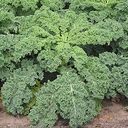 Kale · 100 g
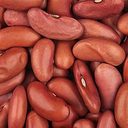 Kidney beans, canned, drained · 120 g
Broccoli · 150 g
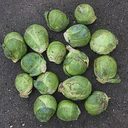 Brussels sprouts · 120 g
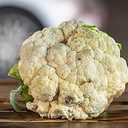 Cauliflower · 150 g
Lentils, boiled · 150 g
Chickpeas, canned, drained · 120 g
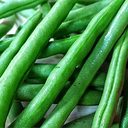 Green beans · 150 g
 Green peas, frozen · 100 g
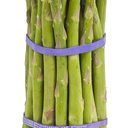 Asparagus · 150 g
Hokkaido pumpkin · 150 g
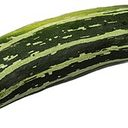 Courgette (zucchini) · 150 g
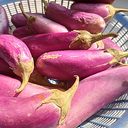 Aubergine (eggplant) · 150 g
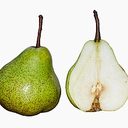 Pear
Example day from a lose weight plan
Generated automatically for the reference adult. Your plan adapts portions, diet type and allergies.
Tofu 210 g · Red sweet pepper 80 g · Button mushrooms 80 g · Spinach 40 g · Rapeseed (canola) oil 5 g · Wholemeal bread 70 gLentils, boiled 210 g · Wholemeal pasta, boiled 210 g · Tomatoes 150 g · Carrots 60 g · Onion 40 g · Olive oil 5 gSources
- Obesity and overweight — fact sheet — World Health Organization
- Aim for a Healthy Weight — Guide to behavior change — NIH National Heart, Lung, and Blood Institute
- Losing weight — US Centers for Disease Control and Prevention
- Weight management — NIH NIDDK
- Healthy diet — fact sheet — World Health Organization
- Dietary Guidelines for Americans, 2020–2025 (Appendix 2: Estimated calorie needs) — U.S. Departments of Agriculture and Health & Human Services
- Carbohydrate intake for adults and children: WHO guideline (2023) — World Health Organization
- Physical activity — fact sheet — World Health Organization
- Factors affecting weight & health — NIH NIDDK
- Eat a diet rich in wholegrains, vegetables, fruit and beans — the evidence — World Cancer Research Fund International
- Heart-healthy living: choose heart-healthy foods — NIH NHLBI
- Physical activity guidelines for adults — US Centers for Disease Control and Prevention
- Bundeslebensmittelschlüssel (BLS) 4.0 — German Nutrient Database — Max Rubner-Institut
- FoodData Central — USDA Agricultural Research Service
- Commission Regulation (EU) No 432/2012 — list of permitted health claims (consolidated) — European Union (EUR-Lex)