🩸 Best foods for healthy blood sugar
What to do — the quick answer
Tap any line for the reason, the evidence level and the source. The full step-by-step explanation follows below.
🥗 Eat more of
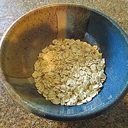 Oat flakes (rolled oats)Protects the arteries · Gentler on blood sugarHow it helps your blood sugar
Protects the arteries: Blood sugar that stays high damages the inner lining of the arteries and causes plaque. Heart-healthy eating helps prevent or delay that plaque. NIH NHLBINIH NHLBINIH NHLBI
Gentler on blood sugar: Blood glucose comes from the food you eat. WHO advises getting carbohydrates mainly from whole grains, vegetables, fruit and pulses, and oat and barley beta-glucan is authorised to reduce the rise in blood sugar after a meal. NIH NIDDKWHOEUR-Lex
One portion (50 g): 5.5 g fibre · 0.67 g saturated fat · 0.37 g sugars
The evidenceOfficial Heart-healthy staples Step 4NIH heart-healthy foods: fatty fish such as salmon, nuts and seeds, beans and lentils, whole grains like plain oatmeal, and plant oils such as olive or canola oil instead of butter. NIH NHLBIEU claim Smaller sugar spike Step 1All nutrients & evidence for oat flakes (rolled oats) →“Consumption of beta-glucans from oats or barley as part of a meal contributes to the reduction of the blood glucose rise after that meal.” Effect with at least 4 g of beta-glucans from oats or barley for each 30 g of available carbohydrates per meal. EUR-LexEU Commission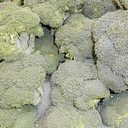 BroccoliGentler on blood sugarHow it helps your blood sugar
Blood glucose comes from the food you eat. WHO advises getting carbohydrates mainly from whole grains, vegetables, fruit and pulses, and oat and barley beta-glucan is authorised to reduce the rise in blood sugar after a meal. NIH NIDDKWHOEUR-Lex
One portion (150 g): 4.5 g fibre · 2.1 g sugars
The evidenceOfficial Fruit, veg & whole grains Step 1All nutrients & evidence for broccoli →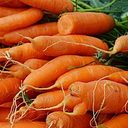 CarrotsGentler on blood sugarHow it helps your blood sugar
Blood glucose comes from the food you eat. WHO advises getting carbohydrates mainly from whole grains, vegetables, fruit and pulses, and oat and barley beta-glucan is authorised to reduce the rise in blood sugar after a meal. NIH NIDDKWHOEUR-Lex
One portion (100 g): 2.9 g fibre · 6.4 g sugars
The evidenceOfficial Fruit, veg & whole grains Step 1All nutrients & evidence for carrots →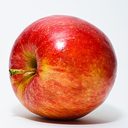 AppleGentler on blood sugarHow it helps your blood sugar
Blood glucose comes from the food you eat. WHO advises getting carbohydrates mainly from whole grains, vegetables, fruit and pulses, and oat and barley beta-glucan is authorised to reduce the rise in blood sugar after a meal. NIH NIDDKWHOEUR-Lex
One portion (150 g): 3.4 g fibre · 15.7 g sugars
The evidenceOfficial Fruit, veg & whole grains Step 1All nutrients & evidence for apple →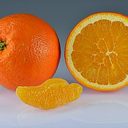 OrangeGentler on blood sugarHow it helps your blood sugar
Blood glucose comes from the food you eat. WHO advises getting carbohydrates mainly from whole grains, vegetables, fruit and pulses, and oat and barley beta-glucan is authorised to reduce the rise in blood sugar after a meal. NIH NIDDKWHOEUR-Lex
One portion (150 g): 3.3 g fibre · 13.3 g sugars
The evidenceOfficial Fruit, veg & whole grains Step 1All nutrients & evidence for orange →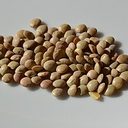 Lentils, boiledGentler on blood sugarHow it helps your blood sugar
Blood glucose comes from the food you eat. WHO advises getting carbohydrates mainly from whole grains, vegetables, fruit and pulses, and oat and barley beta-glucan is authorised to reduce the rise in blood sugar after a meal. NIH NIDDKWHOEUR-Lex
One portion (150 g): 10.8 g fibre · 0.75 g sugars
The evidenceOfficial Fruit, veg & whole grains Step 1All nutrients & evidence for lentils, boiled →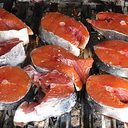 SalmonProtects the arteriesHow it helps your blood sugar
Blood sugar that stays high damages the inner lining of the arteries and causes plaque. Heart-healthy eating helps prevent or delay that plaque. NIH NHLBINIH NHLBINIH NHLBI
One portion (125 g): 3 g saturated fat
The evidenceOfficial Heart-healthy staples Step 4All nutrients & evidence for salmon →NIH heart-healthy foods: fatty fish such as salmon, nuts and seeds, beans and lentils, whole grains like plain oatmeal, and plant oils such as olive or canola oil instead of butter. NIH NHLBI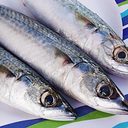 MackerelProtects the arteriesHow it helps your blood sugar
Blood sugar that stays high damages the inner lining of the arteries and causes plaque. Heart-healthy eating helps prevent or delay that plaque. NIH NHLBINIH NHLBINIH NHLBI
One portion (125 g): 2.1 g saturated fat
The evidenceOfficial Heart-healthy staples Step 4All nutrients & evidence for mackerel →NIH heart-healthy foods: fatty fish such as salmon, nuts and seeds, beans and lentils, whole grains like plain oatmeal, and plant oils such as olive or canola oil instead of butter. NIH NHLBI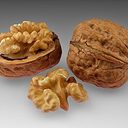 WalnutsProtects the arteriesHow it helps your blood sugar
Blood sugar that stays high damages the inner lining of the arteries and causes plaque. Heart-healthy eating helps prevent or delay that plaque. NIH NHLBINIH NHLBINIH NHLBI
One portion (30 g): 1.4 g fibre · 2 g saturated fat
The evidenceOfficial Heart-healthy staples Step 4All nutrients & evidence for walnuts →NIH heart-healthy foods: fatty fish such as salmon, nuts and seeds, beans and lentils, whole grains like plain oatmeal, and plant oils such as olive or canola oil instead of butter. NIH NHLBI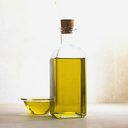 Olive oilProtects the arteriesHow it helps your blood sugar
Blood sugar that stays high damages the inner lining of the arteries and causes plaque. Heart-healthy eating helps prevent or delay that plaque. NIH NHLBINIH NHLBINIH NHLBI
One portion (10 g): 1.2 g saturated fat
The evidenceOfficial Heart-healthy staples Step 4All nutrients & evidence for olive oil →NIH heart-healthy foods: fatty fish such as salmon, nuts and seeds, beans and lentils, whole grains like plain oatmeal, and plant oils such as olive or canola oil instead of butter. NIH NHLBI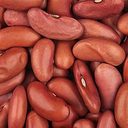 Kidney beans, canned, drainedProtects the arteriesHow it helps your blood sugar
Blood sugar that stays high damages the inner lining of the arteries and causes plaque. Heart-healthy eating helps prevent or delay that plaque. NIH NHLBINIH NHLBINIH NHLBI
One portion (120 g): 13.5 g fibre · 0.06 g saturated fat
The evidenceOfficial Heart-healthy staples Step 4All nutrients & evidence for kidney beans, canned, drained →NIH heart-healthy foods: fatty fish such as salmon, nuts and seeds, beans and lentils, whole grains like plain oatmeal, and plant oils such as olive or canola oil instead of butter. NIH NHLBI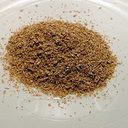 Oat bran flakesGentler on blood sugarHow it helps your blood sugar
Blood glucose comes from the food you eat. WHO advises getting carbohydrates mainly from whole grains, vegetables, fruit and pulses, and oat and barley beta-glucan is authorised to reduce the rise in blood sugar after a meal. NIH NIDDKWHOEUR-Lex
One portion (30 g): 3.9 g fibre · 0.22 g sugars
The evidenceEU claim Smaller sugar spike Step 1All nutrients & evidence for oat bran flakes →“Consumption of beta-glucans from oats or barley as part of a meal contributes to the reduction of the blood glucose rise after that meal.” Effect with at least 4 g of beta-glucans from oats or barley for each 30 g of available carbohydrates per meal. EUR-LexEU Commission
🏃 Do
Evidence: EU claim EU-authorised claim · Official Official guidance · Trials Clinical trials · Study Population study · Review Scientific review
Turn this into my daily blood sugar & diabetes risk plan → How it works, step by step ↓
How your body handles blood sugar
Glucose is your body's main source of energy. Insulin, made by the pancreas, keeps blood glucose in the normal range. NIH NIDDK
- 1Food becomes blood glucose
- 2The pancreas releases insulin
- 3Cells must respond to insulin
- 4What high blood sugar damages
-
Food becomes blood glucose
Root cause: Sugary drinks and refined carbohydrates send glucose into the blood fast.
🥗 Eat
- Oat flakes (rolled oats)Gentler on blood sugarHow it helps your blood sugar
Blood glucose comes from the food you eat. WHO advises getting carbohydrates mainly from whole grains, vegetables, fruit and pulses, and oat and barley beta-glucan is authorised to reduce the rise in blood sugar after a meal. NIH NIDDKWHOEUR-Lex
One portion (50 g): 5.5 g fibre · 0.37 g sugars
The evidenceEU claim Smaller sugar spikeAll nutrients & evidence for oat flakes (rolled oats) →“Consumption of beta-glucans from oats or barley as part of a meal contributes to the reduction of the blood glucose rise after that meal.” Effect with at least 4 g of beta-glucans from oats or barley for each 30 g of available carbohydrates per meal. EUR-LexEU Commission - Oat bran flakesGentler on blood sugarHow it helps your blood sugar
Blood glucose comes from the food you eat. WHO advises getting carbohydrates mainly from whole grains, vegetables, fruit and pulses, and oat and barley beta-glucan is authorised to reduce the rise in blood sugar after a meal. NIH NIDDKWHOEUR-Lex
One portion (30 g): 3.9 g fibre · 0.22 g sugars
The evidenceEU claim Smaller sugar spikeAll nutrients & evidence for oat bran flakes →“Consumption of beta-glucans from oats or barley as part of a meal contributes to the reduction of the blood glucose rise after that meal.” Effect with at least 4 g of beta-glucans from oats or barley for each 30 g of available carbohydrates per meal. EUR-LexEU Commission - BroccoliGentler on blood sugarHow it helps your blood sugar
Blood glucose comes from the food you eat. WHO advises getting carbohydrates mainly from whole grains, vegetables, fruit and pulses, and oat and barley beta-glucan is authorised to reduce the rise in blood sugar after a meal. NIH NIDDKWHOEUR-Lex
One portion (150 g): 4.5 g fibre · 2.1 g sugars
The evidenceOfficial Fruit, veg & whole grainsAll nutrients & evidence for broccoli → - CarrotsGentler on blood sugarHow it helps your blood sugar
Blood glucose comes from the food you eat. WHO advises getting carbohydrates mainly from whole grains, vegetables, fruit and pulses, and oat and barley beta-glucan is authorised to reduce the rise in blood sugar after a meal. NIH NIDDKWHOEUR-Lex
One portion (100 g): 2.9 g fibre · 6.4 g sugars
The evidenceOfficial Fruit, veg & whole grainsAll nutrients & evidence for carrots → - AppleGentler on blood sugarHow it helps your blood sugar
Blood glucose comes from the food you eat. WHO advises getting carbohydrates mainly from whole grains, vegetables, fruit and pulses, and oat and barley beta-glucan is authorised to reduce the rise in blood sugar after a meal. NIH NIDDKWHOEUR-Lex
One portion (150 g): 3.4 g fibre · 15.7 g sugars
The evidenceOfficial Fruit, veg & whole grainsAll nutrients & evidence for apple → - OrangeGentler on blood sugarHow it helps your blood sugar
Blood glucose comes from the food you eat. WHO advises getting carbohydrates mainly from whole grains, vegetables, fruit and pulses, and oat and barley beta-glucan is authorised to reduce the rise in blood sugar after a meal. NIH NIDDKWHOEUR-Lex
One portion (150 g): 3.3 g fibre · 13.3 g sugars
The evidenceOfficial Fruit, veg & whole grainsAll nutrients & evidence for orange → - Lentils, boiledGentler on blood sugarHow it helps your blood sugar
Blood glucose comes from the food you eat. WHO advises getting carbohydrates mainly from whole grains, vegetables, fruit and pulses, and oat and barley beta-glucan is authorised to reduce the rise in blood sugar after a meal. NIH NIDDKWHOEUR-Lex
One portion (150 g): 10.8 g fibre · 0.75 g sugars
The evidenceOfficial Fruit, veg & whole grainsAll nutrients & evidence for lentils, boiled →
How this step works · what slows it down · sources
Glucose is your body's main source of energy. Your body makes some glucose itself; the rest comes from the food you eat. NIH NIDDK
“EU claim” items use the exact wording of Reg. (EU) No 432/2012 EUR-Lex; listed foods meet the legal condition of use (amounts per normal portion, BLS 4.0 / USDA).
-
The pancreas releases insulin
Root cause: When cells respond poorly to insulin, over time the pancreas may not make enough.
🏃 Do
How this step works · what slows it down · sources
Insulin is a hormone made by the pancreas. It helps glucose move from your blood into your cells, where it is used for energy. NIH NIDDK
🔻 What can slow this down
✅ Also helps
- Healthy living — healthy foods and drinks and being physically active — may help prevent or reverse insulin resistance and prediabetes. NIH NIDDK
The advice for this step comes from official health agencies and published research — the badge on each line shows which.
-
Cells must respond to insulin
Root cause: Excess body weight and inactivity make cells respond poorly to insulin (type 2).
🏃 Do
Lose 7 % + walk 150 minTrials
In the Diabetes Prevention Program, people who lost 7 % of their weight and exercised 150 minutes a week cut their risk of type 2 diabetes by 58 % (71 % in people over 60). NIH NIDDKHealthy weight, no smokingOfficial
A healthy diet, at least 150 minutes of activity a week, a healthy body weight and not smoking are the best ways to prevent or delay type 2 diabetes. WHO
How this step works · what slows it down · sources
In type 2 diabetes, cells do not use insulin well, and the pancreas struggles to keep blood glucose in the normal range. NIH NIDDK
🔻 What can slow this down
- Overweight or obesity and a family history of diabetes are key risk factors. NIH NIDDK
The advice for this step comes from official health agencies and published research — the badge on each line shows which.
-
What high blood sugar damages
Root cause: Glucose that stays high damages artery linings and the kidneys.
🥗 Eat
- SalmonProtects the arteriesHow it helps your blood sugar
Blood sugar that stays high damages the inner lining of the arteries and causes plaque. Heart-healthy eating helps prevent or delay that plaque. NIH NHLBINIH NHLBINIH NHLBI
One portion (125 g): 3 g saturated fat
The evidenceOfficial Heart-healthy staplesAll nutrients & evidence for salmon →NIH heart-healthy foods: fatty fish such as salmon, nuts and seeds, beans and lentils, whole grains like plain oatmeal, and plant oils such as olive or canola oil instead of butter. NIH NHLBI - MackerelProtects the arteriesHow it helps your blood sugar
Blood sugar that stays high damages the inner lining of the arteries and causes plaque. Heart-healthy eating helps prevent or delay that plaque. NIH NHLBINIH NHLBINIH NHLBI
One portion (125 g): 2.1 g saturated fat
The evidenceOfficial Heart-healthy staplesAll nutrients & evidence for mackerel →NIH heart-healthy foods: fatty fish such as salmon, nuts and seeds, beans and lentils, whole grains like plain oatmeal, and plant oils such as olive or canola oil instead of butter. NIH NHLBI - WalnutsProtects the arteriesHow it helps your blood sugar
Blood sugar that stays high damages the inner lining of the arteries and causes plaque. Heart-healthy eating helps prevent or delay that plaque. NIH NHLBINIH NHLBINIH NHLBI
One portion (30 g): 1.4 g fibre · 2 g saturated fat
The evidenceOfficial Heart-healthy staplesAll nutrients & evidence for walnuts →NIH heart-healthy foods: fatty fish such as salmon, nuts and seeds, beans and lentils, whole grains like plain oatmeal, and plant oils such as olive or canola oil instead of butter. NIH NHLBI - Olive oilProtects the arteriesHow it helps your blood sugar
Blood sugar that stays high damages the inner lining of the arteries and causes plaque. Heart-healthy eating helps prevent or delay that plaque. NIH NHLBINIH NHLBINIH NHLBI
One portion (10 g): 1.2 g saturated fat
The evidenceOfficial Heart-healthy staplesAll nutrients & evidence for olive oil →NIH heart-healthy foods: fatty fish such as salmon, nuts and seeds, beans and lentils, whole grains like plain oatmeal, and plant oils such as olive or canola oil instead of butter. NIH NHLBI - Kidney beans, canned, drainedProtects the arteriesHow it helps your blood sugar
Blood sugar that stays high damages the inner lining of the arteries and causes plaque. Heart-healthy eating helps prevent or delay that plaque. NIH NHLBINIH NHLBINIH NHLBI
One portion (120 g): 13.5 g fibre · 0.06 g saturated fat
The evidenceOfficial Heart-healthy staplesAll nutrients & evidence for kidney beans, canned, drained →NIH heart-healthy foods: fatty fish such as salmon, nuts and seeds, beans and lentils, whole grains like plain oatmeal, and plant oils such as olive or canola oil instead of butter. NIH NHLBI - Oat flakes (rolled oats)Protects the arteriesHow it helps your blood sugar
Blood sugar that stays high damages the inner lining of the arteries and causes plaque. Heart-healthy eating helps prevent or delay that plaque. NIH NHLBINIH NHLBINIH NHLBI
One portion (50 g): 5.5 g fibre · 0.67 g saturated fat
The evidenceOfficial Heart-healthy staplesAll nutrients & evidence for oat flakes (rolled oats) →NIH heart-healthy foods: fatty fish such as salmon, nuts and seeds, beans and lentils, whole grains like plain oatmeal, and plant oils such as olive or canola oil instead of butter. NIH NHLBI
🚫 Cut down on
TobaccoOfficial
Smoking and second-hand smoke damage the arteries. NIH NHLBI
How this step works · what slows it down · sources
High blood sugar can damage the inner layers of the arteries and cause plaque build-up. Diabetes is also one of the main causes of chronic kidney disease. NIH NHLBINIH NIDDK
✅ Also helps
- Preventing or managing diabetes also lowers your risk of dementia. CDC
The advice for this step comes from official health agencies and published research — the badge on each line shows which.
Authorised claims say a nutrient contributes to a normal body function. They do not mean that eating more than you need improves that function, or that a food treats any condition. Population studies show associations, not proof of cause.
Meal options built from this flow
Pick any option per meal. Ranked by how well one portion covers this goal's targets and how many steps above its foods support (reference adult, everything diet). The planner adapts portions, diet type and allergies.
Breakfast — pick one of 3
 Cottage cheese
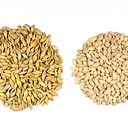 Wheat germ
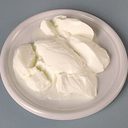 Natural yogurt, 1.5% fat
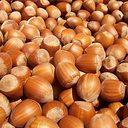 Hazelnuts
 Eggs, boiled
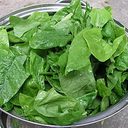 Spinach
Lunch — pick one of 3
Lentils, boiled 150 g · 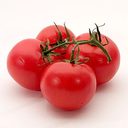 Tomatoes 100 g ·
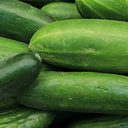 Cucumber 80 g ·
 Red sweet pepper 60 g · Walnuts 15 g · Olive oil 10 g ·
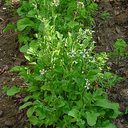 Rocket (arugula) 20 g
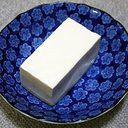 Tofu 120 g ·
 Edamame (immature soya beans) 80 g · Broccoli 80 g · Red sweet pepper 60 g ·
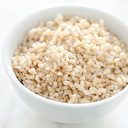 Brown rice, boiled 150 g ·
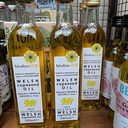 Rapeseed (canola) oil 5 g
Dinner — pick one of 3
Lentils, boiled 150 g · 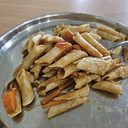 Wholemeal pasta, boiled 150 g · Tomatoes 150 g · Carrots 60 g ·
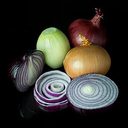 Onion 40 g · Olive oil 5 g
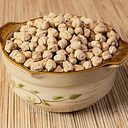 Chickpeas, canned, drained 120 g ·
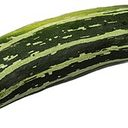 Courgette (zucchini) 100 g ·
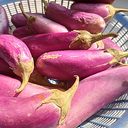 Aubergine (eggplant) 100 g · Tomatoes 120 g · Olive oil 10 g ·
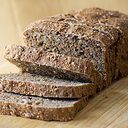 Wholemeal bread 40 g
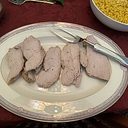 Turkey breast, skinless
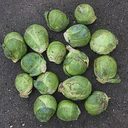 Brussels sprouts
Snack — pick one of 3
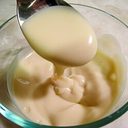 Soya yogurt alternative, fortified
 Raspberries
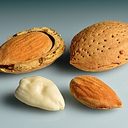 Almonds
In short
Beta-glucans from oats or barley eaten as part of a meal are authorised to contribute to a reduction of the blood-glucose rise after that meal. WHO states that lifestyle changes — healthy diet, physical activity, healthy weight, not smoking — are the best way to prevent or delay type 2 diabetes.
What official sources say
Key nutrients & daily targets
Shown for a reference adult (40-year-old man, 75 kg, ~2600 kcal). Your plan recalculates these for your age, sex and weight.
| Nutrient | Daily target | Basis |
|---|---|---|
| Dietary fibre | 25 g | EFSA Adequate Intake 25 g/day for adults; WHO (2023) recommends at least 25 g/day of naturally occurring fibre WHO |
| Fruit & vegetables | 400 g | WHO: at least 400 g of fruit and vegetables a day (potatoes do not count) WHO |
| Protein | 62 g | EFSA Population Reference Intake 0.83 g per kg body weight per day EFSA |
| Magnesium | 420 mg | NIH ODS Recommended Dietary Allowance / Adequate Intake for your age and sex NIH ODS |
All authorised EU health claims for this goal (1)
Exact wording from Regulation (EU) No 432/2012. A food may only carry a claim if it meets the legal condition of use — on each food page we show the numbers that meet (or miss) it.
Consumption of beta-glucans from oats or barley as part of a meal contributes to the reduction of the blood glucose rise after that meal.
Foods ranked by nutrient content (14)
Ranked by how much of the daily target one normal portion provides (nutrient values: BLS 4.0 / USDA FDC), plus authorised claims the food qualifies for.
Kidney beans, canned, drained · 120 g
Chickpeas, canned, drained · 120 g
Oat flakes (rolled oats) · 50 g
Broccoli · 150 g
Oat bran flakes · 30 g
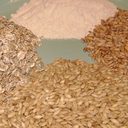 Barley flakes · 40 g
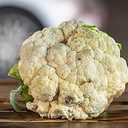 Cauliflower
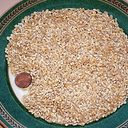 Pearl barley, boiled · 150 g
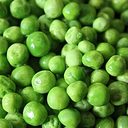 Green peas, frozen
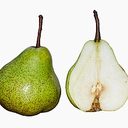 Pear
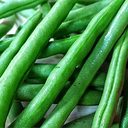 Green beans · 150 g
Example day from a blood sugar & diabetes risk plan
Generated automatically for the reference adult. Your plan adapts portions, diet type and allergies.
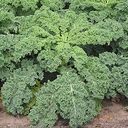 Kale 80 g · Chickpeas, canned, drained 180 g ·
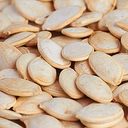 Pumpkin seeds 20 g · Red sweet pepper 60 g ·
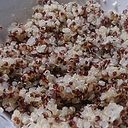 Quinoa, boiled 150 g · Rapeseed (canola) oil 15 gLentils, boiled 230 g · Wholemeal pasta, boiled 230 g · Tomatoes 150 g · Carrots 60 g · Onion 40 g · Olive oil 10 g
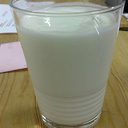 Kefir, low-fat 300 g ·
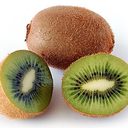 Kiwi fruit 110 g
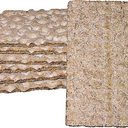 Wholemeal rye crispbread
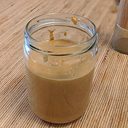 Peanut butter (100% peanuts)
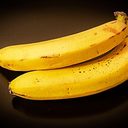 Banana
Sources
- Diabetes — fact sheet — World Health Organization
- Carbohydrate intake for adults and children: WHO guideline (2023) — World Health Organization
- Commission Regulation (EU) No 432/2012 — list of permitted health claims (consolidated) — European Union (EUR-Lex)
- Diabetes diet, eating, & physical activity — NIH NIDDK
- What is diabetes? — NIH NIDDK
- Healthy diet — fact sheet — World Health Organization
- Heart-healthy living: choose heart-healthy foods — NIH NHLBI
- Insulin resistance & prediabetes — NIH NIDDK
- Diabetes Prevention Program (DPP) — NIH NIDDK
- Physical activity guidelines for adults — US Centers for Disease Control and Prevention
- Physical activity — fact sheet — World Health Organization
- Atherosclerosis — causes and risk factors — NIH NHLBI
- What is chronic kidney disease? — NIH NIDDK
- Reducing risk for dementia — US Centers for Disease Control and Prevention
- Bundeslebensmittelschlüssel (BLS) 4.0 — German Nutrient Database — Max Rubner-Institut
- FoodData Central — USDA Agricultural Research Service