🫁 Eating well with COPD and lung disease — official guidance
⚕️ Talk to your care team
Plan your diet together with your lung specialist, especially if you are losing weight.
What to do — the quick answer
Tap any line for the reason, the evidence level and the source. The full step-by-step explanation follows below.
🥗 Eat more of
🏃 Do
Evidence: EU claim EU-authorised claim · Official Official guidance · Trials Clinical trials · Study Population study · Review Scientific review
Build a general healthy-eating plan → How it works, step by step ↓
How your lungs work — and what happens in COPD
Every breath swaps oxygen into the blood and carbon dioxide out. NIH NHLBI
-
Breathing and gas exchange
Root cause: Tobacco smoke and inactivity weaken the lungs.
🏃 Do
Stay activeOfficial
Avoid tobacco smoke and stay physically active to lower the chance of lung injury and disease. NIH NHLBI
How this step works · what slows it down · sources
When you breathe in, air enters your lungs and oxygen passes into your blood; carbon dioxide moves the other way and leaves when you breathe out. The diaphragm and chest muscles power breathing, and the brain sets the rate. NIH NHLBI
The advice for this step comes from official health agencies and published research — the badge on each line shows which.
-
In COPD the airways are damaged
Root cause: Smoking is the main cause; air pollution, fumes and dust add to it.
🏃 Do
Quit smokingOfficial
Quitting smoking can help you feel better, stay more active and slow the progress of COPD. NIH NHLBIPulmonary rehabOfficial
Pulmonary rehabilitation — supervised exercise training, education and breathing techniques — helps you breathe easier and improves quality of life. NIH NHLBI
🚫 Cut down on
Smoke, fumes & dustOfficial
Avoid second-hand smoke, air pollution, chemical fumes and dust. NIH NHLBI
How this step works · what slows it down · sources
The airways and air sacs lose their elasticity, walls between air sacs are destroyed, airway walls become thick and inflamed, and extra mucus can clog them. NIH NHLBI
🔻 What can slow this down
- Smoking is the main risk factor. Long-term exposure to air pollution, chemical fumes, dust and second-hand smoke, and alpha-1 antitrypsin deficiency also raise risk. NIH NHLBI
The advice for this step comes from official health agencies and published research — the badge on each line shows which.
Authorised claims say a nutrient contributes to a normal body function. They do not mean that eating more than you need improves that function, or that a food treats any condition. Population studies show associations, not proof of cause.
Meal options built from this flow
Pick any option per meal. Ranked by how well one portion covers this goal's targets and how many steps above its foods support (reference adult, everything diet). The planner adapts portions, diet type and allergies.
Breakfast — pick one of 3
 Eggs, boiled
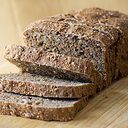 Wholemeal bread
 Skyr
 Raspberries
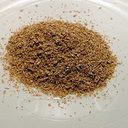 Oat bran flakes
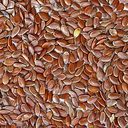 Linseed (flaxseed), ground
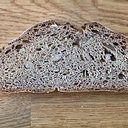 Wholemeal rye bread
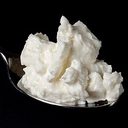 Low-fat quark
Lunch — pick one of 3
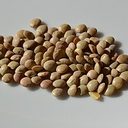 Lentils, boiled 150 g ·
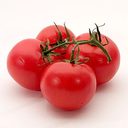 Tomatoes 100 g ·
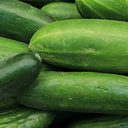 Cucumber 80 g ·
 Red sweet pepper 60 g ·
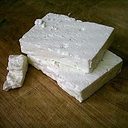 Feta 30 g ·
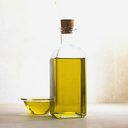 Olive oil 10 g ·
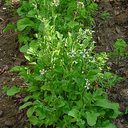 Rocket (arugula) 20 g
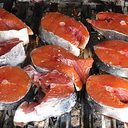 Salmon
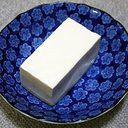 Tofu 120 g ·
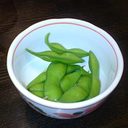 Edamame (immature soya beans) 80 g ·
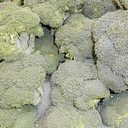 Broccoli 80 g · Red sweet pepper 60 g ·
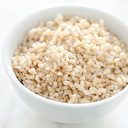 Brown rice, boiled 150 g ·
 Rapeseed (canola) oil 5 g
Dinner — pick one of 3
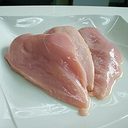 Chicken breast, skinless 130 g ·
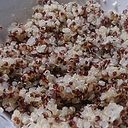 Quinoa, boiled 150 g ·
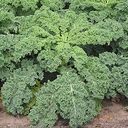 Kale 60 g · Red sweet pepper 80 g · Olive oil 5 g
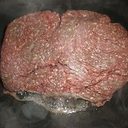 Beef mince, lean 100 g ·
 Kidney beans, canned, drained 100 g · Tomatoes 150 g ·
 Onion 40 g · Red sweet pepper 60 g · Brown rice, boiled 120 gTofu 150 g ·
 Cauliflower 120 g ·
 Spinach 50 g ·
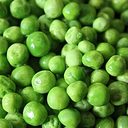 Green peas, frozen 60 g · Brown rice, boiled 150 g · Rapeseed (canola) oil 5 g
Snack — pick one of 3
 Soya yogurt alternative, fortified
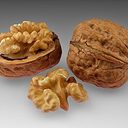 Walnuts
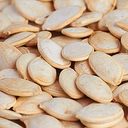 Pumpkin seeds
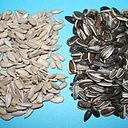 Sunflower seeds
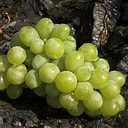 Grapes
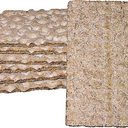 Wholemeal rye crispbread
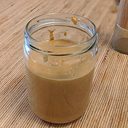 Peanut butter (100% peanuts)
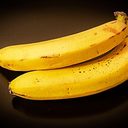 Banana
In short
NIH states that lifestyle changes such as quitting smoking can help people with COPD feel better, stay more active and slow the progress of the disease. Nutrition needs (for example unintended weight loss) should be planned with your care team.
What official sources say
Sources
- COPD — NIH NHLBI
- Healthy diet — fact sheet — World Health Organization
- How the lungs work — NIH NHLBI
- COPD — causes and risk factors — NIH NHLBI
- COPD — treatment (pulmonary rehabilitation) — NIH NHLBI
- Bundeslebensmittelschlüssel (BLS) 4.0 — German Nutrient Database — Max Rubner-Institut
- FoodData Central — USDA Agricultural Research Service
- Commission Regulation (EU) No 432/2012 — list of permitted health claims (consolidated) — European Union (EUR-Lex)