🫘 Eating with chronic kidney disease — official guidance
⚕️ Talk to your care team
Potassium, phosphorus and protein needs in kidney disease must be set by your doctor or renal dietitian. Our general plans are NOT designed for CKD.
What to do — the quick answer
Tap any line for the reason, the evidence level and the source. The full step-by-step explanation follows below.
🥗 Eat more of
🏃 Do
🚫 Cut down on
Evidence: EU claim EU-authorised claim · Official Official guidance · Trials Clinical trials · Study Population study · Review Scientific review
Build a general healthy-eating plan → How it works, step by step ↓
How your kidneys work — and what changes in CKD
Healthy kidneys filter about half a cup of blood every minute. NIH NIDDK
-
Kidneys filter the blood
Root cause: Diabetes and high blood pressure damage the filters.
🏃 Do
Active 30 min most daysOfficial
Be active for 30 minutes or more on most days, aim for a healthy weight and 7 to 8 hours of sleep. NIH NIDDK
How this step works · what slows it down · sources
Each kidney has about a million nephrons. The glomerulus filters the blood and the tubule returns needed substances and removes wastes, making urine. Kidneys also balance water, salts and minerals and make hormones for blood pressure, red blood cells and bones. NIH NIDDK
The advice for this step comes from official health agencies and published research — the badge on each line shows which.
-
In CKD, waste builds up
Root cause: Diabetes and high blood pressure are the main causes.
🏃 Do
Control sugar & pressureOfficial
Managing diabetes and high blood pressure may help prevent CKD or slow it down. NIH NIDDK
How this step works · what slows it down · sources
In chronic kidney disease the kidneys are damaged and cannot filter blood properly, so waste and extra fluid build up. Diabetes and high blood pressure are the main causes. NIH NIDDK
🔻 What can slow this down
- Diabetes, high blood pressure, heart disease, family history and older age. NIH NIDDK
The advice for this step comes from official health agencies and published research — the badge on each line shows which.
-
Food choices change with CKD
Root cause: Damaged kidneys cannot clear sodium, phosphorus, potassium and protein waste.
🏃 Do
Work with a dietitianOfficial
A dietitian can find the right amounts of sodium, protein, phosphorus, potassium and fluid for you. NIH NIDDK
🚫 Cut down on
Packaged & fast foodOfficial
Limit prepared, packaged and fast foods (sodium) and drinks and foods with added phosphorus; avoid salt substitutes (potassium chloride). NIH NIDDK
How this step works · what slows it down · sources
Limit sodium; get the right amount of protein (not too much, not too little); choose unsaturated fats; limit added phosphorus; and you may need to limit potassium. Needs change as CKD progresses. NIH NIDDK
The advice for this step comes from official health agencies and published research — the badge on each line shows which.
⚕️ Important
Our general plans favour potassium-rich foods, which may not suit people with kidney disease. Follow your kidney team's advice. NIH NIDDK
Authorised claims say a nutrient contributes to a normal body function. They do not mean that eating more than you need improves that function, or that a food treats any condition. Population studies show associations, not proof of cause.
Meal options built from this flow
Pick any option per meal. Ranked by how well one portion covers this goal's targets and how many steps above its foods support (reference adult, everything diet). The planner adapts portions, diet type and allergies.
Breakfast — pick one of 3
 Eggs, boiled
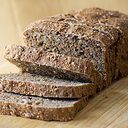 Wholemeal bread
 Skyr
 Raspberries
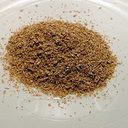 Oat bran flakes
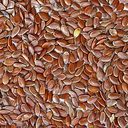 Linseed (flaxseed), ground
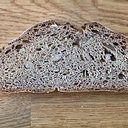 Wholemeal rye bread
 Low-fat quark
Lunch — pick one of 3
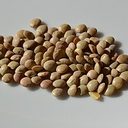 Lentils, boiled 150 g ·
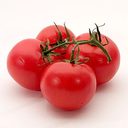 Tomatoes 100 g ·
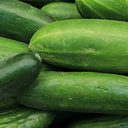 Cucumber 80 g ·
 Red sweet pepper 60 g ·
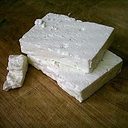 Feta 30 g ·
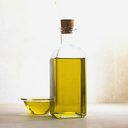 Olive oil 10 g ·
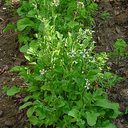 Rocket (arugula) 20 g
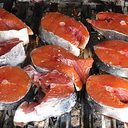 Salmon
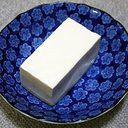 Tofu 120 g ·
 Edamame (immature soya beans) 80 g ·
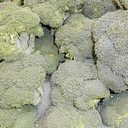 Broccoli 80 g · Red sweet pepper 60 g ·
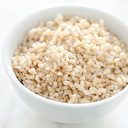 Brown rice, boiled 150 g ·
 Rapeseed (canola) oil 5 g
Dinner — pick one of 3
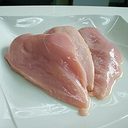 Chicken breast, skinless 130 g ·
 Quinoa, boiled 150 g ·
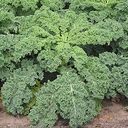 Kale 60 g · Red sweet pepper 80 g · Olive oil 5 g
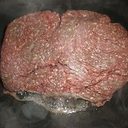 Beef mince, lean 100 g ·
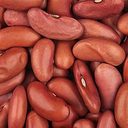 Kidney beans, canned, drained 100 g · Tomatoes 150 g ·
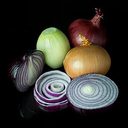 Onion 40 g · Red sweet pepper 60 g · Brown rice, boiled 120 gTofu 150 g ·
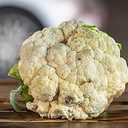 Cauliflower 120 g ·
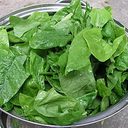 Spinach 50 g ·
 Green peas, frozen 60 g · Brown rice, boiled 150 g · Rapeseed (canola) oil 5 g
Snack — pick one of 3
 Soya yogurt alternative, fortified
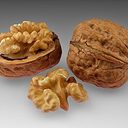 Walnuts
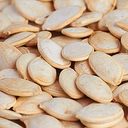 Pumpkin seeds
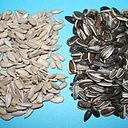 Sunflower seeds
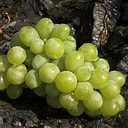 Grapes
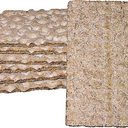 Wholemeal rye crispbread
 Peanut butter (100% peanuts)
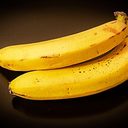 Banana
In short
With chronic kidney disease you may need to limit sodium, and, depending on the stage, protein, phosphorus and potassium. NIH stresses that the right amounts depend on your blood tests and should be set with a renal dietitian — generic "healthy" advice (like eating more potassium-rich foods) can be harmful in CKD.
What official sources say
Sources
- Eating right for chronic kidney disease — NIH NIDDK
- Your kidneys & how they work — NIH NIDDK
- Preventing chronic kidney disease — NIH NIDDK
- What is chronic kidney disease? — NIH NIDDK
- Bundeslebensmittelschlüssel (BLS) 4.0 — German Nutrient Database — Max Rubner-Institut
- FoodData Central — USDA Agricultural Research Service
- Commission Regulation (EU) No 432/2012 — list of permitted health claims (consolidated) — European Union (EUR-Lex)