Alpha-linolenic acid (ALA, omega-3): what it does & best food sources
What it does — EU-authorised health claims
ALA contributes to the maintenance of normal blood cholesterol levels.
Beneficial effect obtained with 2 g of ALA per day.
Wording as authorised in Regulation (EU) No 432/2012 EUR-LexEU Commission
How much do adults need?
| Age | Men | Women |
|---|---|---|
| 19–30 | 1.6 g | 1.1 g |
| 31–50 | 1.6 g | 1.1 g |
| 51–70 | 1.6 g | 1.1 g |
| 71+ | 1.6 g | 1.1 g |
- US US National Academies Adequate Intake (NIH ODS) — see the table above. NIH ODS
Best food sources (per portion)
| Food | Portion | Alpha-linolenic acid (ALA, omega-3) |
|---|---|---|
 Walnuts | 30 g | 3 g |
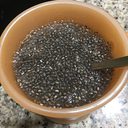 Chia seeds | 15 g | 2.9 g |
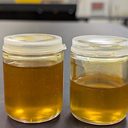 Linseed (flaxseed) oil | 5 g | 2.6 g |
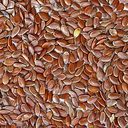 Linseed (flaxseed), ground | 10 g | 2 g |
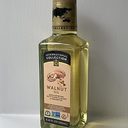 Walnut oil | 10 g | 1.2 g |
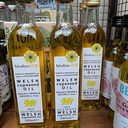 Rapeseed (canola) oil | 10 g | 0.85 g |
 Tofu | 150 g | 0.72 g |
 Edamame (immature soya beans) | 100 g | 0.38 g |
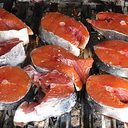 Salmon | 125 g | 0.31 g |
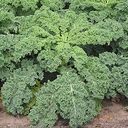 Kale | 100 g | 0.3 g |
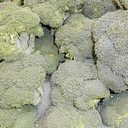 Broccoli | 150 g | 0.27 g |
 Soya yogurt alternative, fortified | 150 g | 0.23 g |
 Soya drink, fortified | 250 g | 0.22 g |
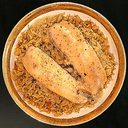 Herring | 125 g | 0.19 g |
 Brussels sprouts | 120 g | 0.19 g |
Per normal portion. Values from BLS 4.0.
Sources
- Omega 3Fatty Acids — fact sheet for health professionals — NIH Office of Dietary Supplements
- Commission Regulation (EU) No 432/2012 — list of permitted health claims (consolidated) — European Union (EUR-Lex)
- EU Register of nutrition and health claims made on foods — European Commission
- Bundeslebensmittelschlüssel (BLS) 4.0 — German Nutrient Database — Max Rubner-Institut