Total fat: what it does & best food sources
What it is
Fat gives your body energy and helps it absorb vitamins A, D, E and K; essential fatty acids are needed for brain development, controlling inflammation and blood clotting. Fat has 9 calories per gram, more than twice as much as carbohydrate or protein. NIH MedlinePlus
Healthy fats are plentiful in whole foods such as omega-3–rich seafood, nuts, seeds, olives and avocados; when cooking, prioritize oils with essential fatty acids, such as olive oil. USDA
How much do adults need?
- US 20–35 % of daily calories from fat (US National Academies acceptable range). US National Academies (DRIs)
- US label FDA Daily Value: 78 g. FDA
- WHO Total fat 30 % of daily energy or less. WHO
Most fat per portion
| Food | Portion | Total fat | % US DV |
|---|---|---|---|
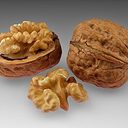 Walnuts | 30 g | 21.2 g | 27 % |
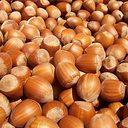 Hazelnuts | 25 g | 15.8 g | 20 % |
 Hummus | 50 g | 14.3 g | 18 % |
 Salmon | 125 g | 14 g | 18 % |
 Pistachios | 25 g | 12.9 g | 17 % |
 Mozzarella | 60 g | 12.6 g | 16 % |
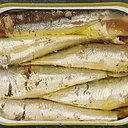 Sardines in oil, drained | 90 g | 12.5 g | 16 % |
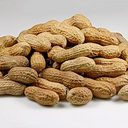 Peanuts, roasted | 25 g | 12.4 g | 16 % |
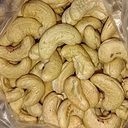 Cashew nuts | 25 g | 11.8 g | 15 % |
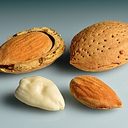 Almonds | 25 g | 11.7 g | 15 % |
 Eggs, boiled | 120 g (2 eggs) | 11.5 g | 15 % |
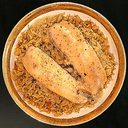 Herring | 125 g | 11.3 g | 14 % |
 Mackerel | 125 g | 10.4 g | 13 % |
 Rapeseed (canola) oil | 10 g | 10 g | 13 % |
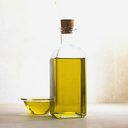 Olive oil | 10 g | 10 g | 13 % |
Per normal portion. Values from BLS 4.0. % US DV = share of the FDA Daily Value.
Sources
- Dietary fats explained — NIH MedlinePlus (National Library of Medicine)
- Dietary Guidelines for Americans, 2025–2030 — U.S. Departments of Agriculture and Health & Human Services
- Dietary Reference Intakes — reference values for macronutrients (tables published by Health Canada) — US National Academies (DRIs)
- Daily Value on the Nutrition and Supplement Facts labels — US Food and Drug Administration
- Healthy diet — fact sheet — World Health Organization
- Bundeslebensmittelschlüssel (BLS) 4.0 — German Nutrient Database — Max Rubner-Institut