Water: what it does & best food sources
What it is
Water helps your body keep a normal temperature, cushion joints, protect the spinal cord and get rid of waste. Most of it comes from water and other drinks; fruit and vegetables with a high water content add to it. CDC
Choose water (still or sparkling) and unsweetened drinks. USDA
What it does — EU-authorised health claims
Water contributes to the maintenance of normal physical and cognitive functions.
Beneficial effect obtained with at least 2.0 L of water from all sources per day.
Wording as authorised in Regulation (EU) No 432/2012 EUR-LexEU Commission
How much do adults need?
- US Adequate Intake of total water (from drinks and food): 3.7 litres a day for men and 2.7 litres for women. Needs rise in heat, with activity, fever, diarrhoea or vomiting. US National Academies (DRIs)CDC
- EU EFSA Adequate Intake of total water: 2.5 litres a day for men and 2.0 litres for women. EFSA
Most water per portion
| Food | Portion | Water |
|---|---|---|
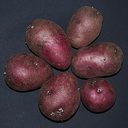 Potato, unpeeled | 200 g | 166 ml |
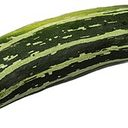 Courgette (zucchini) | 150 g | 144 ml |
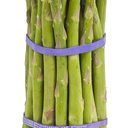 Asparagus | 150 g | 140 ml |
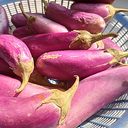 Aubergine (eggplant) | 150 g | 140 ml |
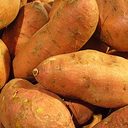 Sweet potato | 200 g | 138 ml |
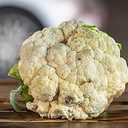 Cauliflower | 150 g | 138 ml |
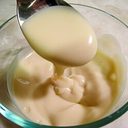 Soya yogurt alternative, fortified | 150 g | 137 ml |
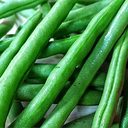 Green beans | 150 g | 136 ml |
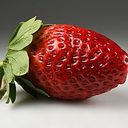 Strawberries | 150 g | 135 ml |
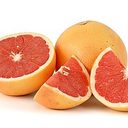 Grapefruit | 150 g | 135 ml |
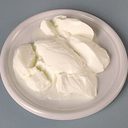 Natural yogurt, 1.5% fat | 150 g | 133 ml |
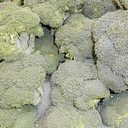 Broccoli | 150 g | 131 ml |
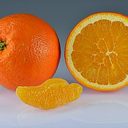 Orange | 150 g | 131 ml |
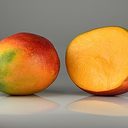 Mango | 150 g | 129 ml |
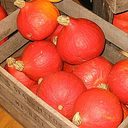 Hokkaido pumpkin | 150 g | 127 ml |
Per normal portion. Values from BLS 4.0; drinks left out.
Sources
- About water and healthier drinks — US Centers for Disease Control and Prevention
- Dietary Guidelines for Americans, 2025–2030 — U.S. Departments of Agriculture and Health & Human Services
- Dietary Reference Intakes — reference values for macronutrients (tables published by Health Canada) — US National Academies (DRIs)
- Dietary Reference Values (DRV Finder) — European Food Safety Authority
- Commission Regulation (EU) No 432/2012 — list of permitted health claims (consolidated) — European Union (EUR-Lex)
- EU Register of nutrition and health claims made on foods — European Commission
- Bundeslebensmittelschlüssel (BLS) 4.0 — German Nutrient Database — Max Rubner-Institut