Cholesterol: how much is too much & where it’s found
What it is
Cholesterol is a waxy, fat-like substance in all your cells, and your body makes all the cholesterol it needs. It is also found in foods from animals, such as egg yolks, meat and cheese. Eating too much saturated fat can raise LDL (“bad”) cholesterol. NIH MedlinePlus
Official limits
- US National Academies: as low as possible while eating a nutritionally adequate diet. US National Academies (DRIs)
- US label FDA Daily Value: 300 mg. FDA
Highest per portion
| Food | Portion | Cholesterol | % US DV |
|---|---|---|---|
 Eggs, boiled | 120 g (2 eggs) | 432 mg | 144 % |
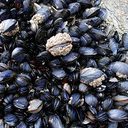 Mussels | 150 g | 189 mg | 63 % |
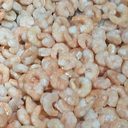 Shrimp | 100 g | 135 mg | 45 % |
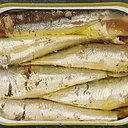 Sardines in oil, drained | 90 g | 126 mg | 42 % |
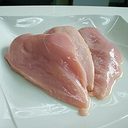 Chicken breast, skinless | 150 g | 117 mg | 39 % |
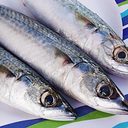 Mackerel | 125 g | 103 mg | 34 % |
 Alaska pollock | 150 g | 82.5 mg | 28 % |
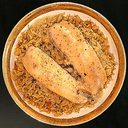 Herring | 125 g | 75 mg | 25 % |
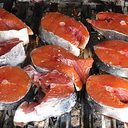 Salmon | 125 g | 72.9 mg | 24 % |
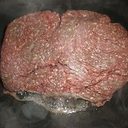 Beef mince, lean | 125 g | 72.5 mg | 24 % |
 Trout | 125 g | 70 mg | 23 % |
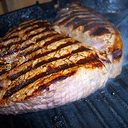 Beef rump (lean red meat) | 125 g | 68.8 mg | 23 % |
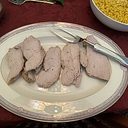 Turkey breast, skinless | 150 g | 66 mg | 22 % |
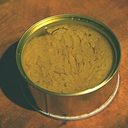 Tuna, canned, drained | 100 g | 52.3 mg | 17 % |
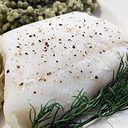 Cod | 150 g | 51.6 mg | 17 % |
Per normal portion. Values from BLS 4.0. % US DV = share of the FDA Daily Value.
Sources
- Cholesterol — NIH MedlinePlus (National Library of Medicine)
- Dietary Reference Intakes — reference values for macronutrients (tables published by Health Canada) — US National Academies (DRIs)
- Daily Value on the Nutrition and Supplement Facts labels — US Food and Drug Administration
- Bundeslebensmittelschlüssel (BLS) 4.0 — German Nutrient Database — Max Rubner-Institut